




More Fund to Be Had: FTA Announces Funding to Explore Transportation Insecurity
FTA Awards Construction Grant to Omnitrans, SBCTA
The funding will help build out the West Valley Connector BRT project.
March 21, 2023

The West Valley Connector will be the county’s second rapid bus line.
Credit:
Photo" SBCTA
2 min to read
The U.S. Department of Transportation’s Federal Transit Administration (FTA) announced an $86.8 million construction grant award to Omnitrans and the San Bernardino County Transportation Authority (SBCTA) to help build out the West Valley Connector bus rapid transit (BRT) project, according to the FTA's news release.
The project will give commuters in San Bernardino County new connections to jobs, health care, Ontario International Airport, and other destinations for people living in Pomona, Ontario, and other communities in the region.
“Good public transit means easier and more affordable commutes, reduced pollution, and better options,” said Pete Buttigieg, U.S. Transportation secretary. “We’re proud to help San Bernardino deliver its first zero-emissions bus route, connecting more people to jobs, health care, and other vital resources.”
Omnitrans will expand its network with climate-friendly electric buses over 19 miles.
The West Valley Connector will be the county’s second rapid bus line. The new BRT line will run through the west side of San Bernardino County and into Los Angeles County, linking the cities of Pomona, Montclair, Ontario, and Rancho Cucamonga, as well as two Metrolink commuter rail stations that service Southern California.
Riders will also be able to reach Ontario International Airport. Local officials estimate the finished project will serve more than 1.3 million riders a year by 2040.
“Thanks to the West Valley Connector, people who live and work in San Bernadino County will have a faster, more affordable travel option to get to jobs and schools, and visit friends and family,” said Nuria Fernandez, FTA administrator.
To advance San Bernardino County’s Zero Emission Bus Initiative, which aims to have a fully zero-emission bus fleet by 2040, the West Valley Connector BRT will be a 100% clean energy ride. The 19-mile route will include 3.5 miles of center-running dedicated bus lanes, transit signal priority, and queue jumps so buses can avoid congestion.
The federal support for the West Valley Connector BRT, which is estimated to cost $310.5 million, comes from FTA’s Capital Investment Grants (CIG) program.
More Zero Emissions

Caltrain’s Electrification Drives a New Era of Ridership Growth
The railroad’s shift to electric service has brought more frequent trains, stronger customer satisfaction, and increased ridership, earning it APTA’s Outstanding Public Transportation System award.
Read More →
Building a Flexible Path to Transit Electrification with BAE's John Hroncich
John Hroncich discusses BAE Systems’ modular and scalable approach, lessons learned from decades of real-world operations, and how agencies can identify electrification strategies that fit their fleets.
Read More →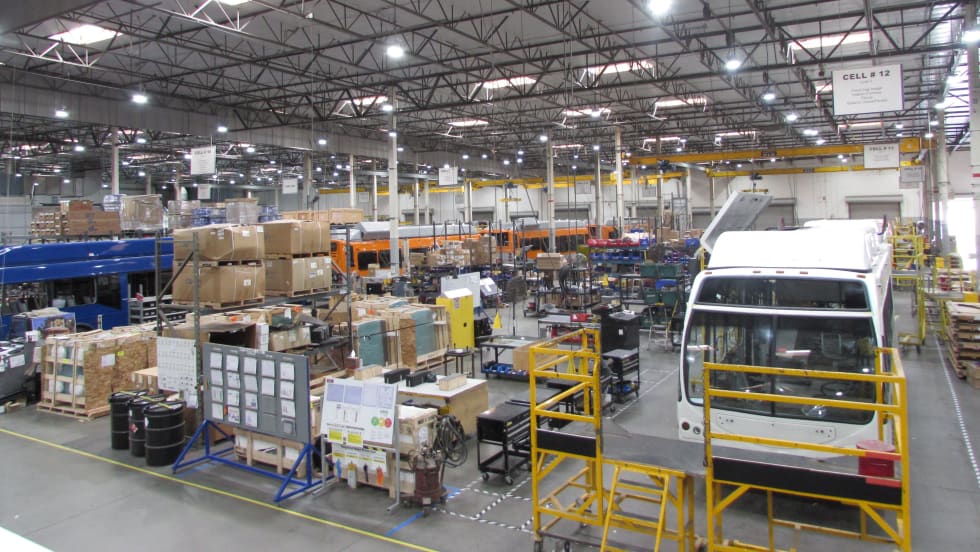
LA Metro Board Awards 220 Battery-Electric Bus Contract to ENC
The contract, which is the largest base award of battery-electric buses by a U.S. transit agency, will be built in Southern California, sustaining good jobs as LA prepares to welcome the world in 2028
Read More →
Public Transit Conference Returning to GFX in 2027, Call for Papers Now Open
The Call for Papers is now open, allowing transit agency professionals and industry experts to help shape the PTC educational program by submitting session ideas for consideration.
Read More →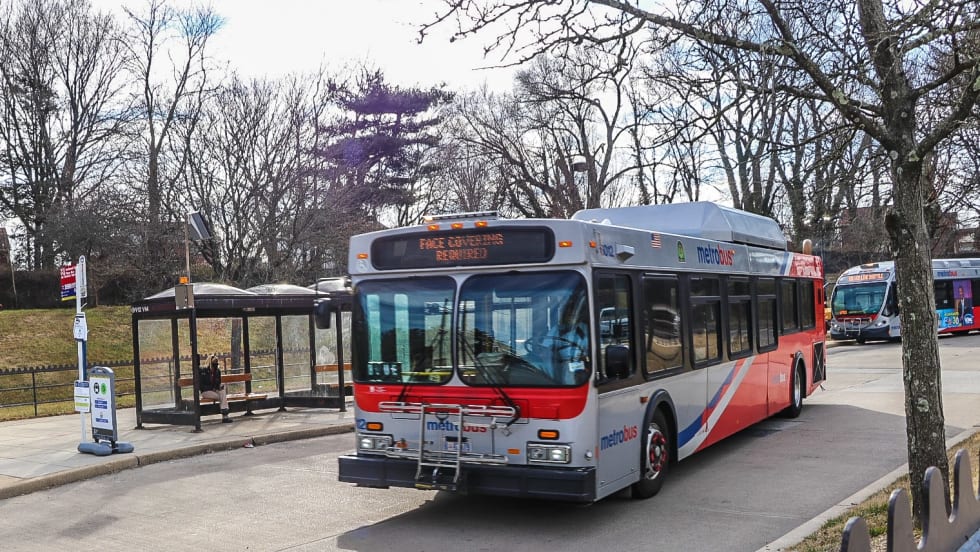
Report: Transit Bus Manufacturing Supports 34,100 Jobs, $5.1B in GDP
The “Buses Mean Business” report examines the transit bus manufacturing industry’s economic footprint, supply chain, and rising demand for vehicle replacements.
Read More →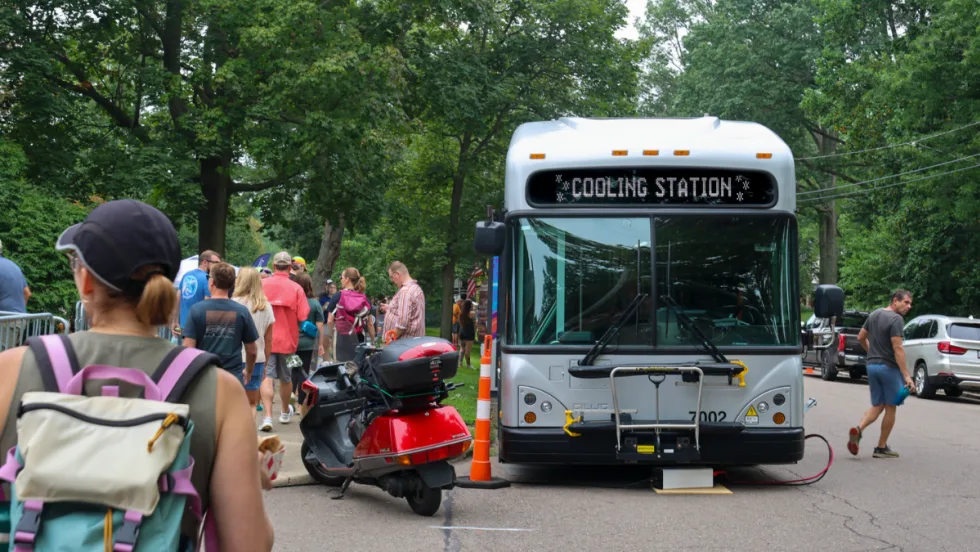
Ohio’s METRO RTA Turns Electric Buses into Mobile Power Sources at PorchROKR
See how three Gillig battery-electric buses powered festival stages while the agency’s new Park & Ride service carried approximately 1,000 attendees, demonstrating another potential use for transit agencies’ electric fleets.
Read More →
CALSTART and Forth Combine to Form Catalyst Mobility
The new name represents a renewed vision for the nonprofit focused on advancing clean, equitable, and affordable transportation solutions that move people and goods.
Read More →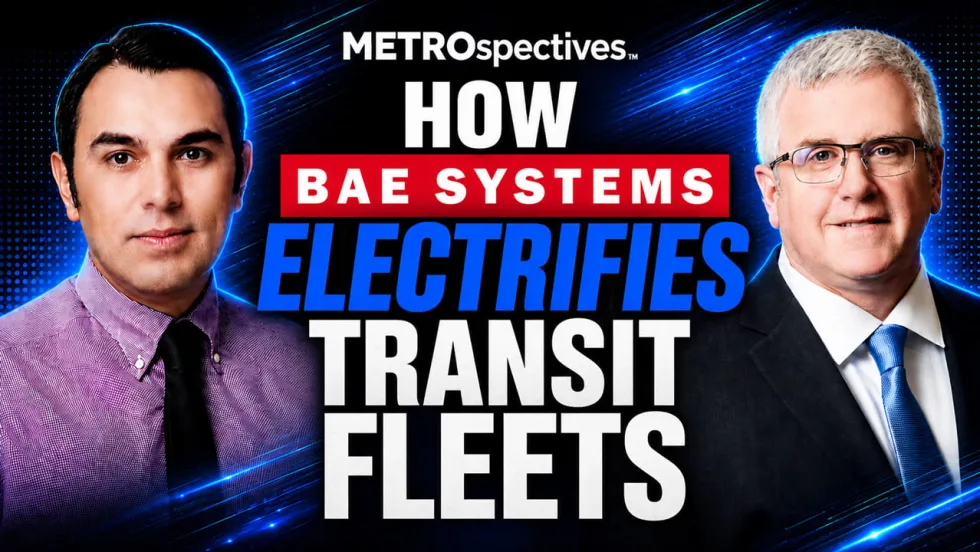
Building a Flexible Path to Transit Electrification
John Hroncich discusses BAE Systems’ modular and scalable approach, lessons learned from decades of real-world operations, and how agencies can identify electrification strategies that fit their fleets.
Read More →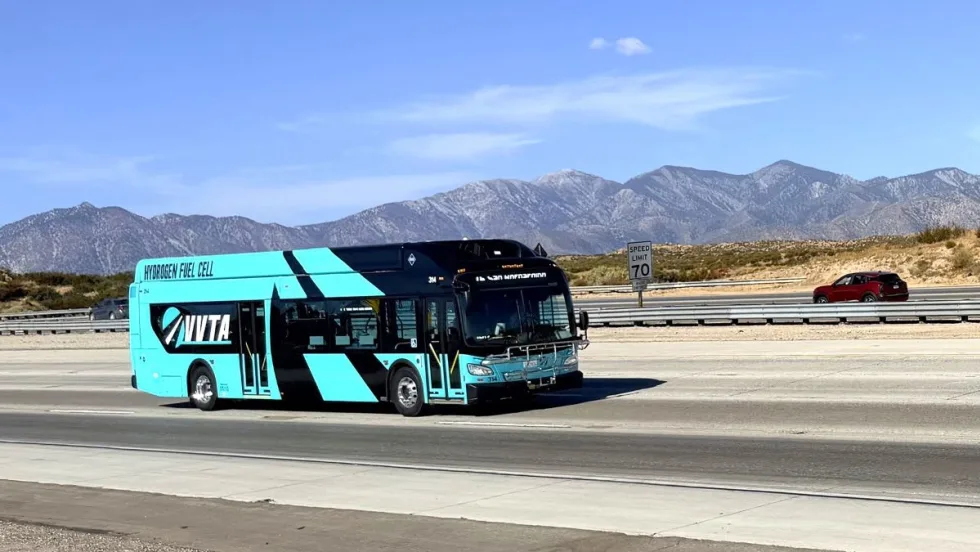
California's VVTA Begins Phased Rollout of Hydrogen Fuel Cell Buses
The agency is introducing 13 zero-emission buses into revenue service while evaluating performance across its urban, rural, and long-distance routes.
Read More →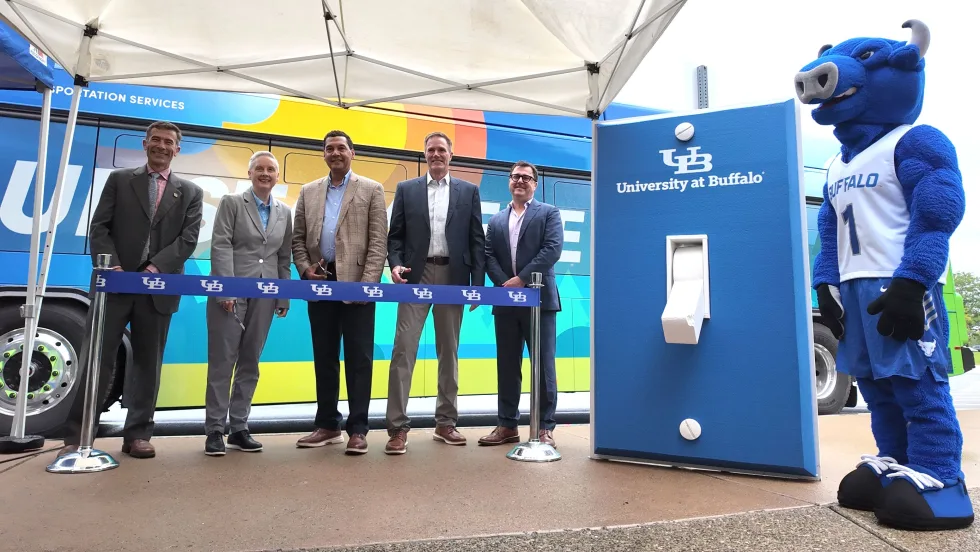
Inside Look: University at Buffalo Puts First 8 Electric Buses Into Stampede Service
UB, transportation solutions provider WeDriveU, and fleet electrification specialist Zenobē marked the deployment in the presence of students, university administrators, and local officials.
Read More →