
Metro Magazine

 MENU
 SEARCHMENUSEARCH
Loading data...

Approved by the Commonwealth Transportation Board, the program supports ongoing infrastructure projects while providing new investments in transit, state of good repair and transportation alternatives.
Read More →






The investments will help people get to work, school, healthcare appointments, and other destinations via subways, light rail, buses, and ferry systems.
Read More →Dr. Carol Parker Walsh discusses leadership development, employee retention, workplace culture, and preparing transit’s workforce for AI and automation.
Read More →Projects eligible for this funding opportunity include those that replace, rehabilitate, lease, or purchase buses and related equipment.
Read More →MAP-21 requires, among other things, that FTA define and establish a State Safety Oversight program to ensure that rail transit systems are meeting stringent safety requirements.
Read More →An Urban Institute evaluation found that a fare-free transit program increased ridership, reduced transportation barriers, and improved access to jobs, healthcare, and other essential services.
Read More →Dr. Carol Parker Walsh discusses leadership development, employee retention, workplace culture, and preparing transit’s workforce for AI and automation.
Read More →Transit agencies are using fare-free service, trip-planning tools, and targeted rides to improve voting access. See what other agencies can learn from these efforts.
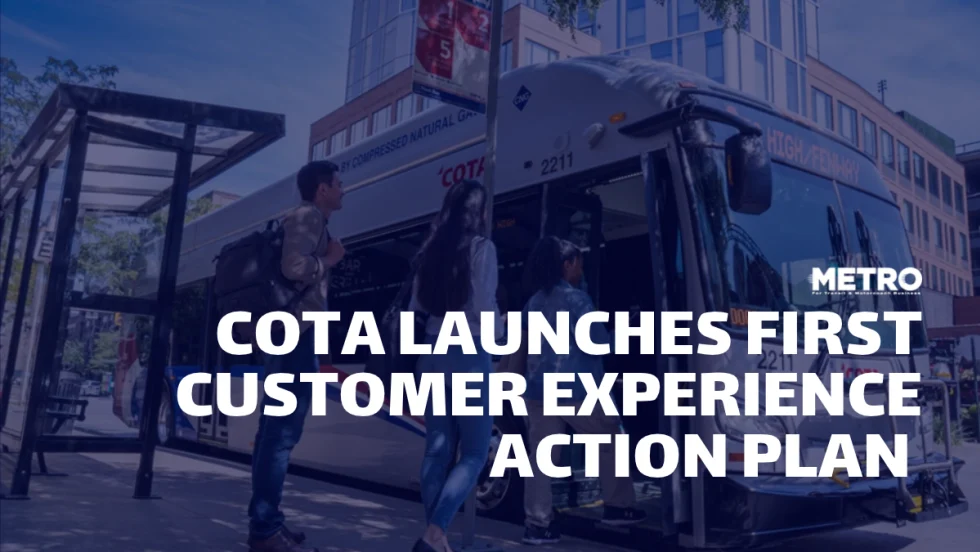
Read More →The new plan outlines improvements to service reliability, accessibility, communication, and the overall rider experience across Central Ohio's transit system.
Read More →CTA launched crisis intervention teams as CATS prepares to deploy fare ambassadors, expanding customer assistance and security efforts across both systems.
Read More →