




Keep Reading: Transit Pilot Offers Lessons for Expanding Mobility Access
How Transit Agencies Are Using Free Rides to Improve Voting Access
Transit agencies are using fare-free service, trip-planning tools, and targeted rides to improve voting access. See what other agencies can learn from these efforts.
October 28, 2026
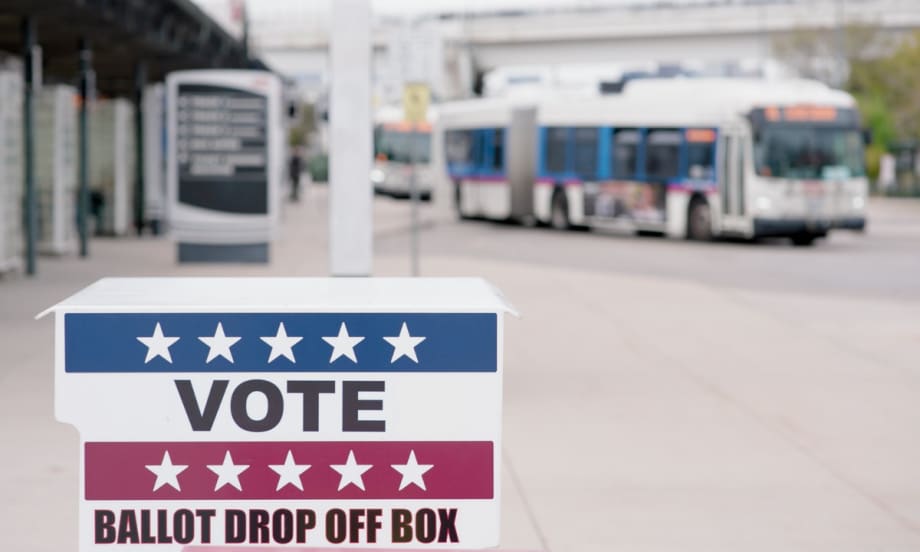
Transit agencies across the country are offering fare-free rides and other transportation services to help residents reach polling places and ballot drop-off locations during elections.
Credit:
Regional Transportation District
6 min to read
- Transit agencies are implementing fare-free services to enhance accessibility to voting locations.
- The use of trip-planning tools is being adopted to assist voters in reaching polling stations more efficiently.
- Targeted ride programs are being introduced to specifically address and support areas with historically lower voter turnout.
*Summarized by AI
Transit agencies nationwide are using fare-free service and targeted transportation programs to help residents reach polling places and ballot drop-off locations during the 2026 general election.
From Denver and San Diego to North Texas and New Orleans, these initiatives show how public transportation can support civic participation by addressing a practical challenge voters may face: getting to the polls.
While the programs differ in scope, they share a focus on making existing transit services more accessible during early voting and Election Day. Some agencies are waiving fares systemwide, while others are providing dedicated rides or integrating voting information into their trip-planning platforms.
Although the announcements do not say how many additional voters these initiatives will serve, they show how agencies can incorporate civic access into transportation planning and public outreach.
Denver Combines Free Fares With Voting Trip Planning
Denver's Regional Transportation District (RTD) offered zero fares across its bus, rail, paratransit, and FlexRide services on National Vote Early Day, October 24. It will offer the same fare-free service on Election Day, November 3.
The initiative builds on a program RTD first introduced in 2022. In 2024, the agency's board approved continuing the two zero-fare days for future general elections, making voting-related transportation assistance a recurring part of its service offerings.
Beyond eliminating fares, RTD has integrated election information into its digital trip-planning tools.
Through its dedicated "Plan a Trip to Vote" webpage, passengers can locate voting centers and ballot drop boxes and identify transit routes to reach them. The tool includes filters for early voting, drop boxes, and locations that are currently open.
RTD's NextRide app also features a voting icon that lets customers view polling and ballot drop-off locations using information from the Colorado Secretary of State's office.
"Providing zero-fare transit on election and early voting days makes it easier for people to reach polling places and ballot drop-off locations," RTD General Manager and CEO Debra A. Johnson said.
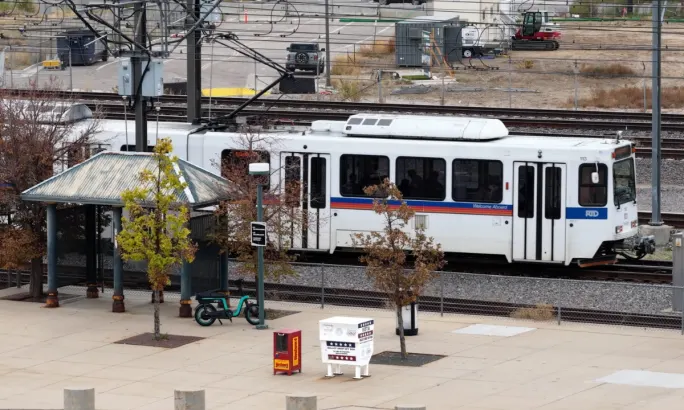
RTD will offer zero fares systemwide on all bus and rail services, as well as paratransit and FlexRide services, on Election Day, Tuesday, November 3. The agency also offered the same service on National Vote Early Day, Saturday, October 24.
Credit:
Regional Transportation District
The approach shows how transit agencies can go beyond fare relief by helping passengers navigate the entire journey, like identifying an appropriate voting location and figuring out how to get there.
San Diego Expands Election Day Access Across Multiple Modes
In Southern California, North County Transit District (NCTD) will provide free rides across its COASTER, SPRINTER, BREEZE, FLEX, LIFT, and NCTD+ services on Nov. 3.
The offer applies to all passengers, regardless of whether they are traveling to vote. Customers will not need to provide proof of voting, show a PRONTO card, or present a valid fare.
NCTD services will operate on their regular weekday schedules, while passengers using NCTD+ can access the promotion through a designated code.
The program covers multiple transportation modes, including commuter rail, light rail, bus, and specialized transportation services, allowing passengers to use existing routes and connections to reach voting destinations.
NCTD's approach also highlights a distinction among fare-free voting programs. By making rides available to everyone, the agency can eliminate the need for operators to verify individual trip purposes while extending the benefit to other passengers traveling that day.
The promotion does not extend to Amtrak Rail 2 Rail or Metropolitan Transit System services.
North Texas Agency Targets Transportation Needs During Early Voting
STAR Transit, which serves communities across Kaufman and Rockwall counties and portions of the Dallas area, is taking a more targeted approach by offering free round-trip transportation specifically for voters traveling to and from polling locations.
The service is available during weekday early voting from Oct. 19 through Oct. 30, with additional Saturday service on Oct. 24 in select communities, and again on Election Day.
The offer applies to STAR Transit's demand-response, fixed-route, and STARNow services, subject to service-area restrictions and availability. Passengers can arrange transportation by contacting the agency or using the STARNow application, with riders identifying their trip as voting-related.
"Every election, we hear from riders who want to vote but do not have a way to get there," STAR Transit Executive Director Tommy Henricks said.
The program shows how smaller, demand-response-oriented transit systems can adapt voting transportation initiatives for communities where fixed-route service may not provide convenient access to every polling location.
Rather than relying solely on a systemwide fare waiver, STAR Transit is using its existing reservation and on-demand services to connect eligible voters directly with voting destinations.
New Orleans Makes Buses, Streetcars, and Ferries Fare-Free
The New Orleans Regional Transit Authority (RTA) is also offering fare-free service on National Vote Early Day and Election Day.
The initiative covers the agency's buses, streetcars, and ferries, with no voter registration documentation or identification required to board. Passengers can use RTA's Le Pass application to plan their journeys and track transit vehicles in real time.
"Access to transportation should never stand in the way of participation in our democratic process," RTA Interim CEO Ronald Baptiste Jr. said. By extending free service across its primary transit modes, RTA is making voting-related travel part of its regular practice rather than establishing a separate transportation program.
The agency described the initiative as part of a larger commitment to equitable mobility and civic engagement throughout the communities it serves. The fare-free initiative also has an official history. In 2020, the RTA Board of Commissioners unanimously approved a resolution adopted by the New Orleans City Council to eliminate fares on official election days.
In 2024, RTD first offered two Zero Fare to Vote days in 2022 to make it “even easier” for voters to participate in general elections. In 2024, the agency’s Board of Directors approved the two zero-fare days for future general election National Vote Early and General Election days.
What Transit Agencies Can Learn From Voting Initiatives
Although the programs are designed around a specific civic event, they highlight several considerations for transit agencies looking to strengthen their connections with the communities they serve.
One is that transportation access involves more than the cost of a trip. Passengers must also know where they need to go, which services are available, and how to complete their journeys.
RTD's integration of polling locations and ballot drop boxes into its trip-planning tools offers one example of how agencies can address those informational barriers alongside fare costs.
Another consideration is matching programs to local service conditions. In larger transit networks, systemwide fare-free days can simplify participation without requiring passengers to demonstrate the purpose of their trips. In areas served by demand-response or on-demand transportation, targeted rides and reservations may provide an alternative way to connect residents with polling locations.
The initiatives also highlight the value of clear communication. Details such as participating services, reservation requirements, operating schedules, and eligibility restrictions can determine whether passengers can use a program successfully.
For agencies considering similar initiatives, coordination with local election officials can help ensure that trip-planning resources reflect accurate voting locations and hours. Ultimately, the programs illustrate how public transit agencies can use existing services, technology, and customer assistance resources to support community activities beyond everyday commuting.
More Management

Caltrain’s Electrification Drives a New Era of Ridership Growth
The railroad’s shift to electric service has brought more frequent trains, stronger customer satisfaction, and increased ridership, earning it APTA’s Outstanding Public Transportation System award.
Read More →
Chicago, Charlotte Transit Agencies Expand Rider Support Programs
CTA launched crisis intervention teams as CATS prepares to deploy fare ambassadors, expanding customer assistance and security efforts across both systems.
Read More →
New York MTA Launches Historic $1.9B Signal, Track Modernization Project
Funded in part by congestion pricing revenue, the project will replace nearly century-old signals along the A and C lines in Brooklyn and Queens.
Read More →
Brian Dickson on Building Stronger, More Resilient Transportation Organizations
Bus Business Consultants Founder Brian Dickson discusses the leadership principles, operational discipline, and strategic planning that separate transportation companies positioned for long-term success from those stuck in survival mode.
Read More →
LA Metro Breaks Ground on Vermont BRT Project
The 12.4-mile corridor is projected to serve 66,200 daily riders, reduce travel times by up to 24%, and create the nation's busiest bus rapid transit corridor.
Read More →
Building Stronger Leaders, More Resilient Transit Teams
Dr. Carol Parker Walsh discusses leadership development, employee retention, workplace culture, and preparing transit’s workforce for AI and automation.
Read More →
Roman Cornell on ABC Companies’ Evolution and the Future of Passenger Transportation
The company’s CEO discusses carrying forward a third-generation family legacy, ABC’s continued evolution in passenger transportation, support for increasingly complex fleets, and how technology and continued investment could help operators improve uptime.
Read More →
CATS Launches West Charlotte Microtransit Zone, Expands Transit Services
The new microtransit zone connects residents to key destinations as Charlotte Area Transit System rolls out the first phase of its 2055 Transit System Plan.
Read More →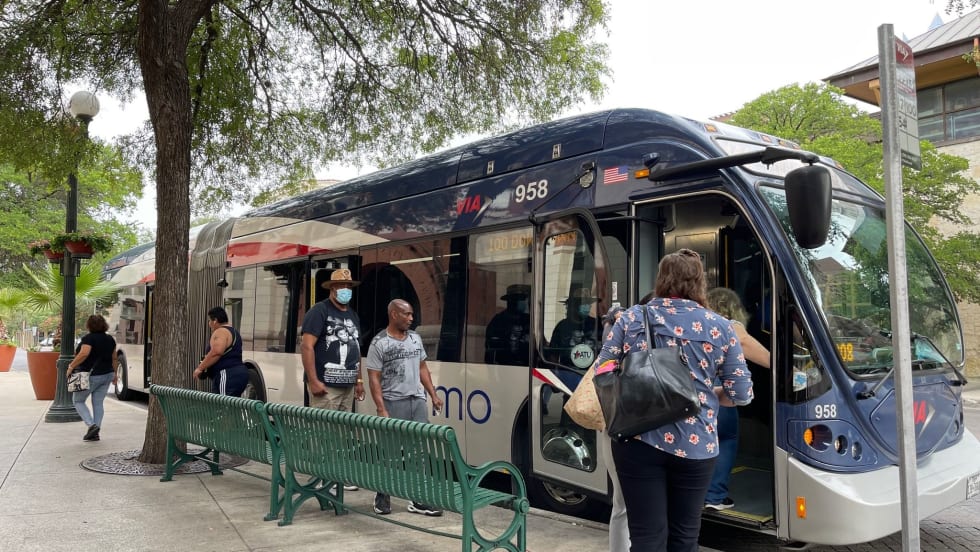
VIA Bus Ridership Grows 10.1% Through August 2026
San Antonio's VIA Metropolitan Transit reported the highest bus ridership growth among major Texas transit systems. Federal Transit Administration data ranked it second among the nation's 50 largest transit systems.
Read More →
CSA Group Releases Climate Resilience Standard for Transit, Passenger Rail
Developed with support from the Standards Council of Canada, CSA D700 guides assessing climate-related risks and planning adaptation measures for transit and passenger rail systems.
Read More →