
Metro Magazine

 MENU
MENU SEARCHMENUSEARCH
Loading data...
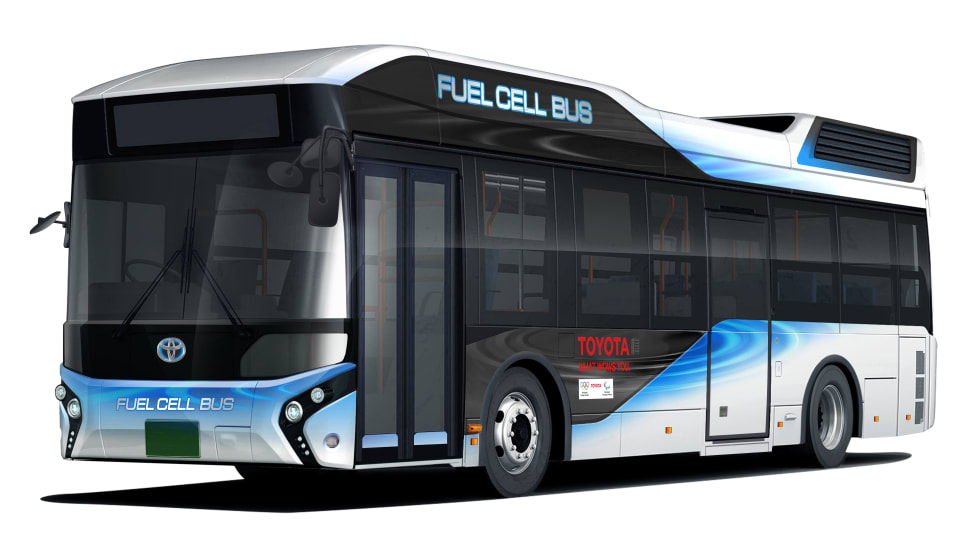
The company plans to introduce over 100 fuel cell buses mainly within the Tokyo area, ahead of the Tokyo 2020 Olympic and Paralympic Games.
Read More →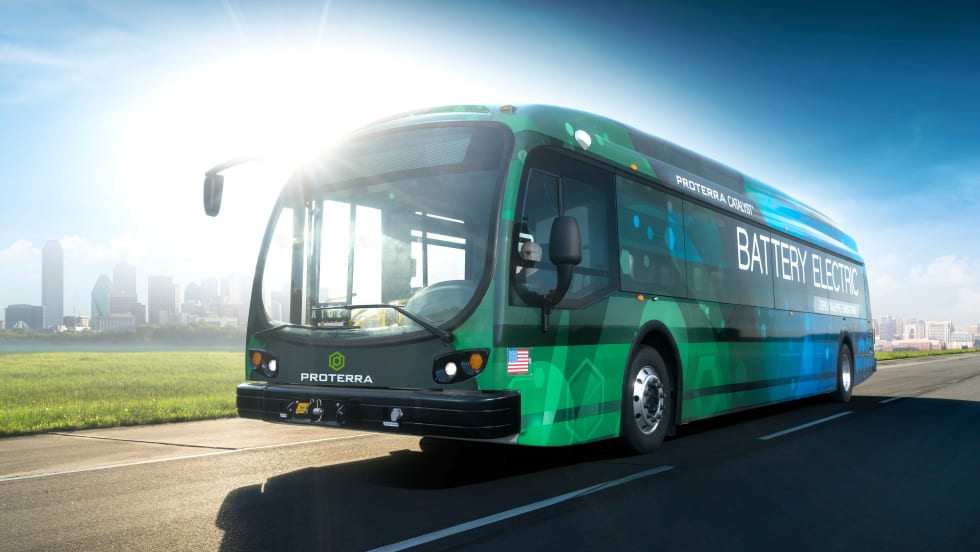


With the new capital, Proterra will dramatically accelerate production capacity on both coasts, while continuing to develop its next generation of heavy-duty electric vehicle products.
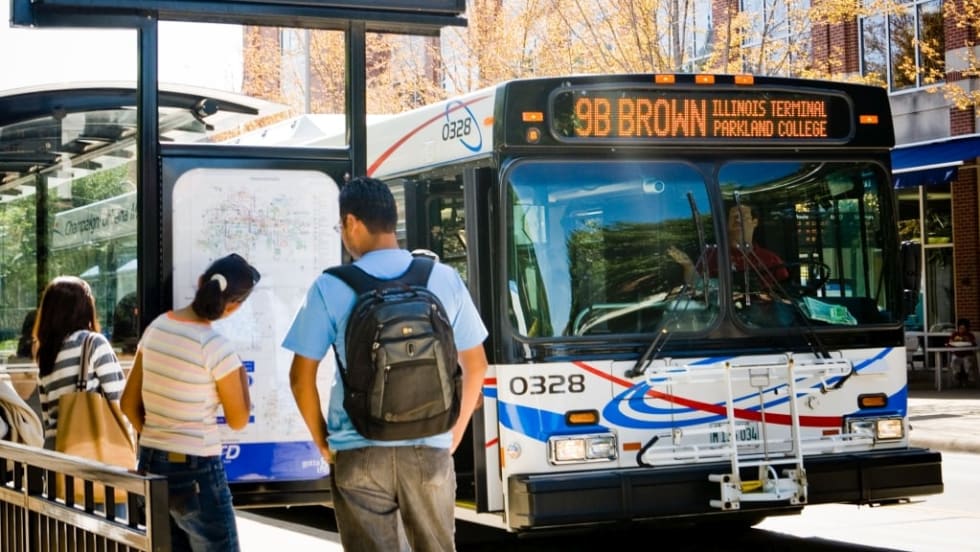
Read More →Surveys conducted between 2003 and 2016 show the number of student car commuters who drove alone fell to 25% from 75%, while staff and faculty drive-alone commutes dropped from 59% to 53%.
Read More →BYD President/Chairman Wang Chuanfu made the announcement as he called on countries around the world to reduce the earth’s temperature by 1 degree Celsius.
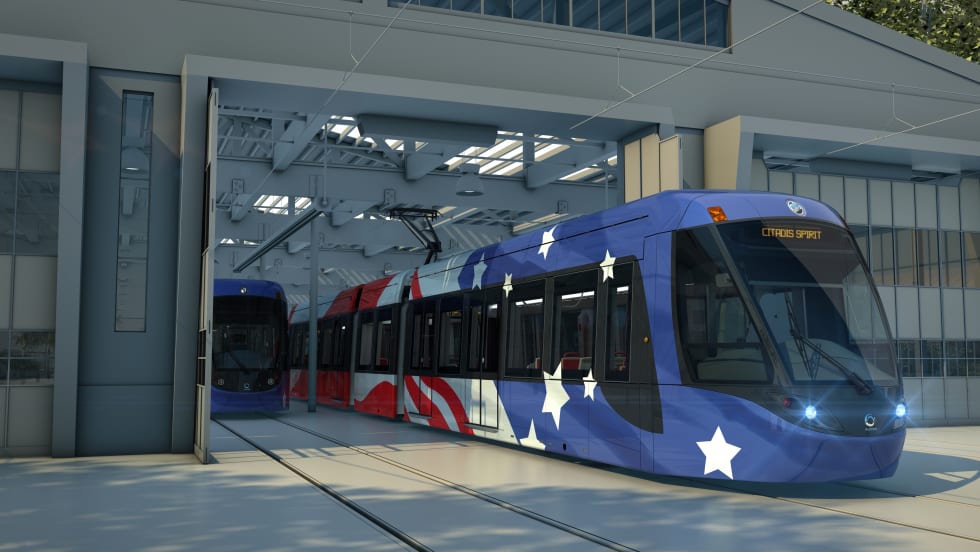
Read More →The study concluded that over a 30-year lifetime, a tramway system emits about 50 percent of the CO2 as a BRT system operated with diesel buses, and about 30 percent less CO2 than a BRT system operated with hybrid buses.
Read More →The study looked at two possibilities for the year 2050 — what would happen if cities continue with business as usual, and what would happen if they start to follow some of the most transit-friendly cities today, like Copenhagen or Tokyo.
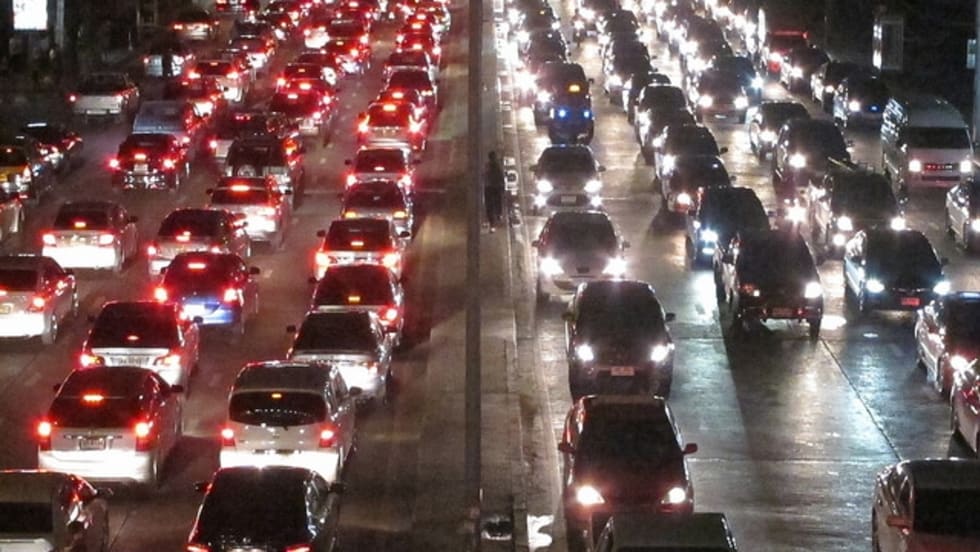
Read More →If the world's cities focused their investments on expanding public transportation, walking and cycling, they could save more than $100 trillion in public and private capital and urban transportation operating costs between now and 2050, according to a new report.
Read More →Buses fueled by natural gas would be the lowest-cost option for CityBus in a 15-year project that examined expenses of buying buses, maintaining them and keeping them fueled. The diesel-electric hybrid would be the costliest.
Read More →drivelesslivemore.com allows commuters to track their modes of travel, see how they can reduce carbon emissions and become eligible for prizes such as transit rides, a folding bike and a Chicago “Stay-cation” hotel package.
Read More →The new members join 26,000 other program participants. In total, participants logged 4.2 million miles carpooling, using transit, bicycling or walking to and from work. This has reduced carbon monoxide by 4.17 tons.
Read More →