
Metro Magazine

 MENU
MENU SEARCHMENUSEARCH
Loading data...

The agency is seeking manufacturers for 650 new CNG buses to replace aging vehicles, improve reliability, and advance its broader fleet modernization strategy.
Read More →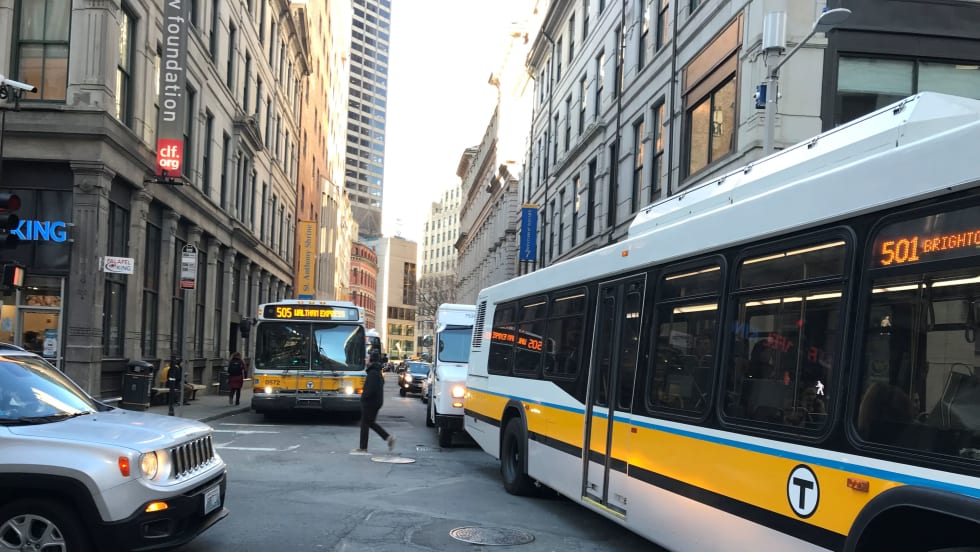
The RFSII program, administered by the EPA in cooperation with the DOA and DOE, requires that a specific volume of renewable fuel be used to replace or reduce the quantity of fossil fuel in transportation.
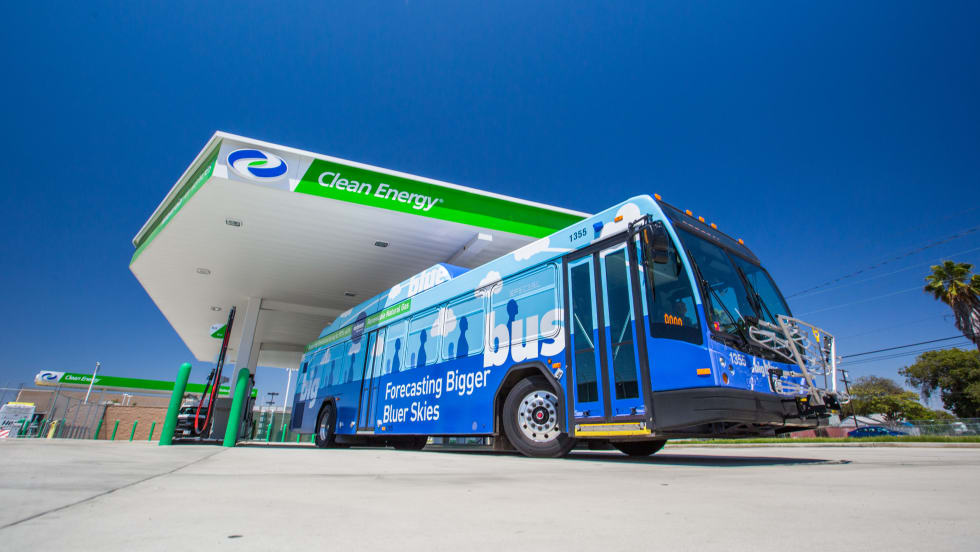
Read More →The multi-year agreement for an estimated 25 million gallons of Clean Energy’s Redeem™ RNG will reduce greenhouse gas emissions annually by 25,351 metric tons.
Read More →Report provides an annual evaluation of the agency’s sustainability performance measured across 10 specific performance metrics.
Read More →Having reached 50 RNG sites in 2015, the organization set the goal to double the number of RNG production facilities in North America within 10 years.
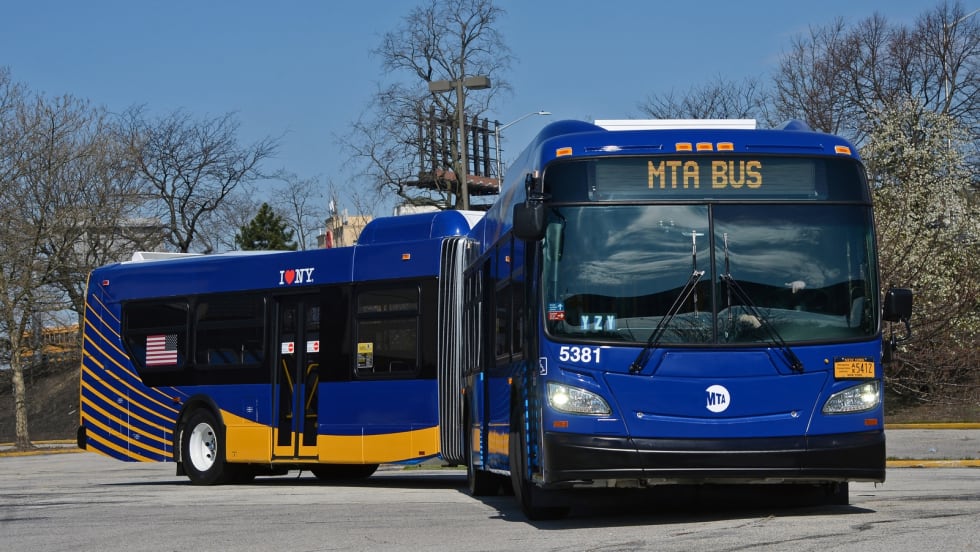
Read More →It represents the first step any heavy-duty vehicle fleet in New York City has taken toward adopting RNG.
Read More →Over the last five years, RNG use as a transportation fuel has increased 577%, displacing over seven million tons of carbon dioxide equivalen.
Read More →The upgrades are part of a move to replace 50 New Flyer buses and commission 50 Gillig buses.
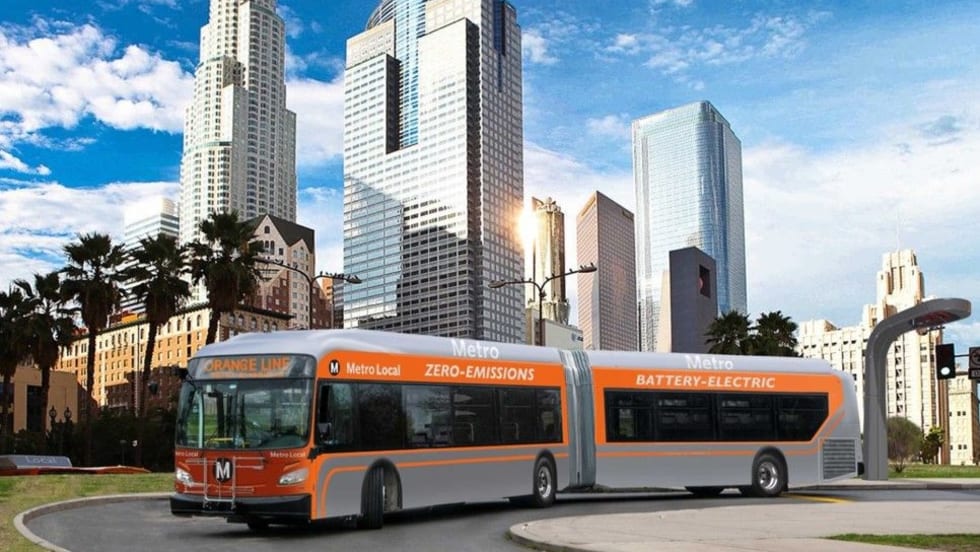
Read More →A growing number of agencies are purchasing zero-emission buses, primarily involving batteries as the energy storage of choice. As with any procurement choice, the reasons for the growing trend vary by city, but the primary rationale has been a political commitment to the cleanest propulsion possible.
Read More →In addition to the fueling agreement, Clean Energy and DFW extended the current operations and maintenance agreement for the airport’s public natural gas fueling stations.
Read More →