




RELATED: Solar roof initiative to generate energy, revenue for MTA
New York MTA issues RFP for purchase of Renewable Natural Gas
It represents the first step any heavy-duty vehicle fleet in New York City has taken toward adopting RNG.
May 17, 2019

The RNG that MTA plans to purchase will put over 650,000 tons of organic waste to beneficial use
Marc A. Hermann
2 min to read
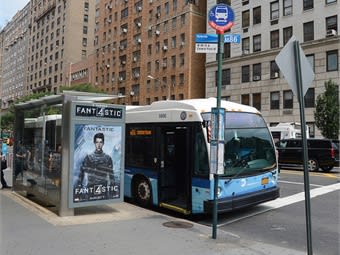
The RNG that MTA plans to purchase will put over 650,000 tons of organic waste to beneficial use
Marc A. Hermann
The Metropolitan Transportation Authority (MTA) issued a request for proposals (RFP) to purchase ultra-low-carbon renewable natural gas (RNG) to fuel some 800 New York City buses currently running on CNG. It represents the first step any heavy duty vehicle fleet in New York City has taken toward adopting RNG. To run MTA’s CNG buses on RNG, MTA must replace the equivalent of 12 to 14 million gallons of CNG a year with RNG.
RNG is chemically the same as CNG, but better in other respects. Its production requires no fracking or other types of drilling. It is a renewable fuel made from a renewable resource: organic wastes such as food waste or municipal wastewater. By capturing and refining the methane biogases emitted as organic materials decay, RNG production prevents these gases from escaping into the atmosphere, where they would have a powerful climate-warming impact.
According to the California Air Resources Board (CARB), RNG is the lowest carbon vehicle fuel available today. In fact, when made in anaerobic digesters from food wastes or manures, and used as a transportation fuel, CARB found RNG is net carbon-negative over its lifecycle. That means making and using RNG is a net gain for the climate, resulting in less greenhouse gas in the atmosphere than if it were never made or used in the first place. As a transportation fuel, RNG can reduce emissions up to 300% compared to diesel.
The RNG that MTA plans to purchase will put over 650,000 tons of organic waste to beneficial use: reducing lifecycle carbon emissions of MTA’s CNG buses by some 40,000 tons a year, and helping New York State meet its climate goal of cutting greenhouse gas emissions 80% below 1990 levels by 2050.
The benefit comes at no added cost to the fleet and may save it money, since RNG requires no conversion of buses, engines, or fueling infrastructure. RNG MTA purchases will be transported through existing natural gas pipelines. Depending on the price of the winning bid for an RNG purchase agreement, it will either cost the same as conventional CNG, or possibly, less.
More Technology

From Hardware to Digital Partner: Luminator Charts Its Next Chapter
CEO Magnus Friberg discusses Luminator’s shift toward becoming a digital partner, the growing importance of software and interoperability, and how AI can help agencies improve operations and passenger experience.
Read More →
Beyond the Checklist: A Structured Approach to Transit Maintenance
Reliability-Centered Maintenance helps transit agencies move beyond routine checklists to focus limited resources on the assets and failures that have the greatest impact on safety, reliability, and service.
Read More →
NJ TRANSIT Advances Bus Technology Upgrades Across Statewide Fleet
More than 1,500 buses now feature upgraded technology designed to improve arrival predictions and provide free Wi-Fi, with deployment expected to reach nearly 2,000 buses by the end of 2026.
Read More →

Building a Flexible Path to Transit Electrification
John Hroncich discusses BAE Systems’ modular and scalable approach, lessons learned from decades of real-world operations, and how agencies can identify electrification strategies that fit their fleets.
Read More →
Biz Briefs: Alstom Lands Canadian Contract, LYT to Supply California TSP, and More
In METRO's latest installment, we take a look at recent news from Complete Coach Works, Beep, FlixBus, and more partnerships making headlines across the transportation sector.
Read More →
Sponsored•September 8, 2026
From Legacy Silos to Conversational Intelligence
What if transit leaders could ask any operational question and get a trusted answer in seconds? Conversational AI is transforming how agencies use their data.
Read More →
USDOT Announces Rail Vehicle Replacement Grants, Chattanooga AV Shuttle Funding
More than $191 million in federal funding will help three transit agencies replace aging rail vehicles and support a new autonomous shuttle service in Chattanooga.
Read More →
Bus Tech Talk: Keeping Transit Technicians Ahead of the Technology Curve
LA Metro’s Obed Mejia discusses technician training, evolving maintenance technology, fleet replacement, and strategies for getting the most out of today’s transit fleets.
Read More →
Biz Briefs: RIPTA Unveils New Frontrunners, Clevland RTA Adds New Siemens, and More
In METRO's latest installment, we take a look at recent news from Siemens, Prevost, Dodge, and more partnerships making headlines across the transportation sector.
Read More →
Why Simulating Pedestrian Movement Has Become Essential for Modern Rail Stations
Pedestrian microsimulation is helping rail planners identify bottlenecks, test station designs, and prepare complex transit hubs for growing passenger volumes.
Read More →