



RELATED: Injuries, casulaties reported after I-5 Amtrak crash
Inadequate planning, insufficient training led to Amtrak derailment
In December 2017, Amtrak Cascades train 501 derailed on an overpass as it entered a 30-mph curve at approximately 78 mph.
by Alex Roman, Managing Editor
May 22, 2019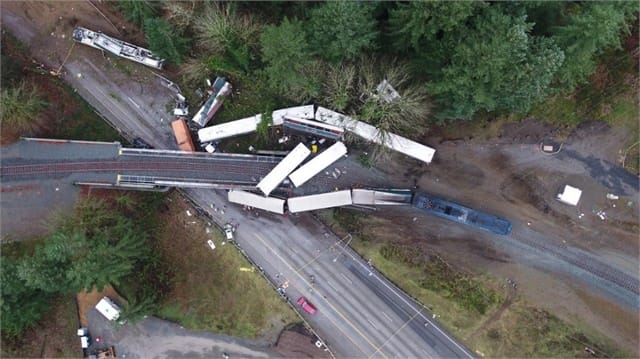
The Dec.18, 2017 derailment of Amtrak train #501 killed three people and injured 62. Photo: Washington State Patrol
4 min to read
The Dec.18, 2017 derailment of Amtrak train #501 killed three people and injured 62. Photo: Washington State Patrol
Failure to provide an effective mitigation for a hazardous curve and inadequate training of a locomotive engineer led to the derailment of an Amtrak passenger train that hurtled off a railroad bridge and onto a busy highway in DuPont, Washington, the NTSB announced.
In December 2017, Amtrak Cascades train 501, on its inaugural run on the Point Defiance Bypass between Seattle and Portland, derailed on an overpass as it entered a 30-mph curve at approximately 78 mph. The lead locomotive and four railcars fell onto Interstate 5 where they struck eight vehicles. Three of the 77 train passengers were killed, while 57 passengers and crewmembers aboard the train and eight people on the highway were injured.
NTSB Chairman Robert L. Sumwalt said the Seattle crash was the third overspeed passenger train derailment the board has investigated since 2013, adding that each of the accidents could have been prevented by Positive Train Control (PTC).
“This is why Positive Train Control is on the NTSB’s 2019-2020 Most Wanted List of Transportation Safety Improvements,” he said. “The deadline for full implementation of PTC is rapidly approaching and the NTSB continues to advocate for the expedited implementation of this life-saving technology.”
The NTSB said during a public meeting held Tuesday that the Central Puget Sound Regional Transit Authority failed to adequately address the hazard associated with a curve that required the train to slow from 79 mph to 30 mph in order to safely traverse it.
Although the engineer was somewhat familiar with the route from observational rides and three training runs, it was the first time he operated the train on that route in revenue service, and on a locomotive on which he had very little experience. The NTSB determined the engineer had insufficient training on both the route and the equipment.
Amtrak had equipped the locomotive with an inward-facing image recorder that provided investigators with both a visual and audio recording of crewmember activities during the accident trip even though this device was not required by the Federal Railroad Administration (FRA).
The recording allowed investigators to reconstruct a second-by-second narrative of the actions, movements, and words of the engineer and the conductor throughout the entire trip. The engineer and conductor engaged in brief conversations throughout the trip; as the train passed the only sign warning of a speed reduction prior to the accident curve, the engineer was not engaged in conversation and was looking ahead.
The engineer told investigators that he did not see the speed-reduction sign. Recordings show that he took no action to reduce the speed of the train prior to the derailment. Investigators concluded the brief conversations between the engineer and the conductor did not distract them from their duties or their abilities to identify the speed reduction sign.
Investigators also found the trainset involved in the crash, which did not meet current crashworthiness standards and was only permitted to operate through a grandfathering agreement with the FRA, was structurally vulnerable to high-energy derailments or collisions.
Responsibility for the planning, safety and oversight of the Cascades operation involved numerous organizations, including Amtrak, the Washington State Department of Transportation, the FRA, and the Central Puget Sound Regional Transit Authority. Investigators found there was a general sense that none of the participants fully understood the scope of their roles and responsibilities as they pertained to the safe operation of the service, which allowed critical safety areas to be unaddressed.
As a result of the investigation, the NTSB issued a total of 26 safety recommendations to the FRA, the Washington State Department of Transportation, Oregon Department of Transportation, Central Puget Sound Regional Transit Authority, and the United States Department of Defense. In addition, the NTSB reiterated three recommendations to the FRA.
In a statement released by Sound Transit, the agency said that while it does not operate any service in the segment of track where the accident took place, as owner of the track it is committed to closely reviewing the NTSB’s report and implementing recommendations in collaboration with Amtrak, the Washington State Department of Transportation, BNSF, and the FRA.
The statement added that ahead of the report, Sound Transit has already worked with partners to implement graduated speed limits and supplementary signs as well as crew communications requirements, as the NTSB recommended, adding that PTC is now fully operational in the corridor.
More Security and Safety

Transit Agencies Highlight Safety Gains at National Summit
Leaders from 15 major transit systems shared crime-reduction results and safety initiatives while discussing the role of continued federal support.
Read More →
DART Launches Major Security, Fare Enforcement Initiative
The 90-day demonstration will deploy coordinated security teams at five light rail stations while testing controlled access and gathering data to guide future investments.
Read More →
RTD Launches NextRide App to Consolidate Trip Planning, Fares, Security Reporting
The app expands on RTD’s existing NextRide web application and allows customers to view real-time vehicle locations and service alerts, purchase and store digital fares, and access customer support.
Read More →
TAPTCO Updates OSHA Compliance Training for Transit Maintenance Operations
The revamped program addresses 26 OSHA standards for maintenance facilities, with TAPTCO pointing to training, documentation, and everyday shop hazards as continuing challenges for transit operations.
Read More →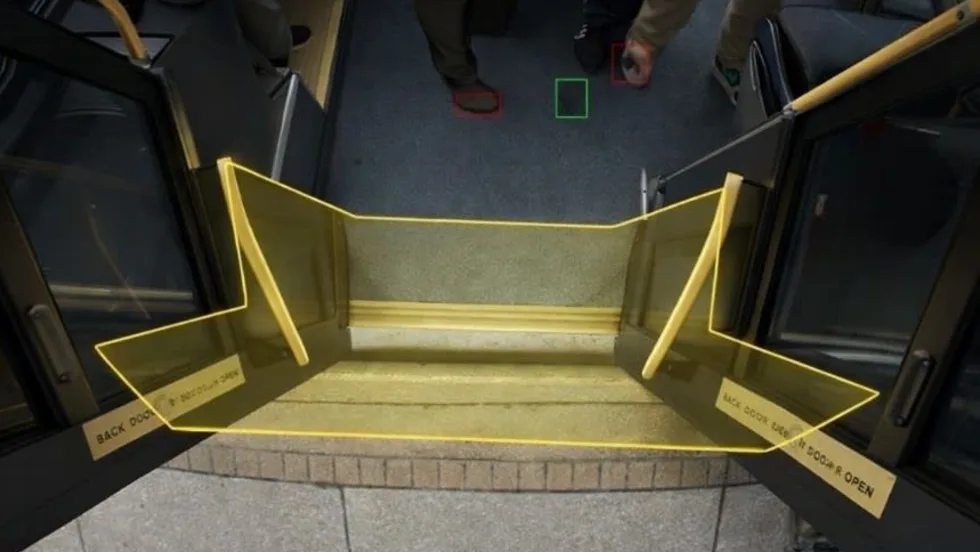
Sponsored•August 18, 2026
How VaporVision Adds Value to Transit Door Systems
Wabtec engineers explain how the system improves doorway detection, strengthens diagnostics and gives transit agencies and OEMs greater operating flexibility.
Read More →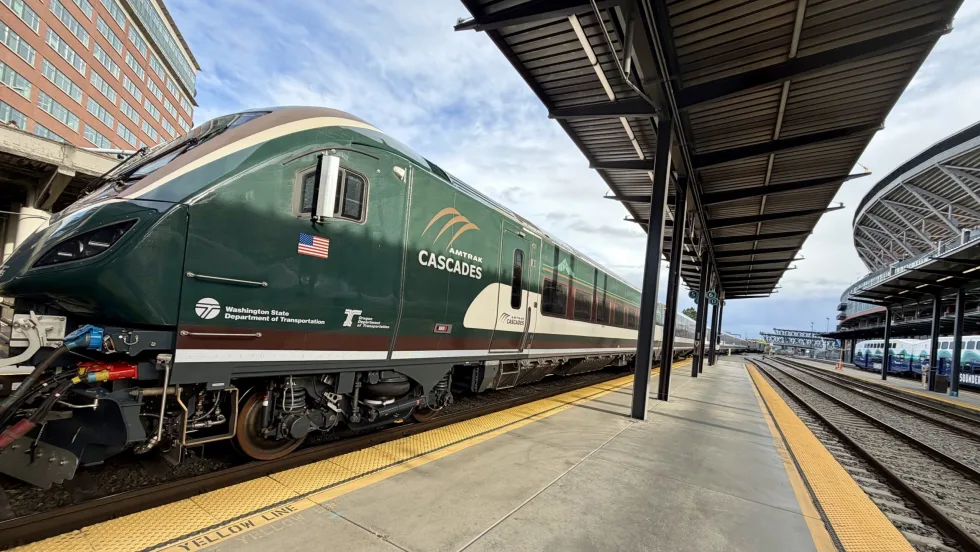
FRA Announces $5.3B in Rail Investments, Including $2B for Amtrak
Funding will support grade-crossing improvements, infrastructure upgrades, and new Amtrak equipment in 23 states.
Read More →
Chicago, Maryland Expand Non-Law-Enforcement Safety, Rider Support
The CTA and MTA are launching new programs aimed at de-escalation, crisis response, rider assistance, and greater transparency.
Read More →
LA Metro, City of West Hollywood, and Partners Advance Smarter Bus Lane Enforcement
The award-winning partnership combines AI-powered detection with human oversight to improve bus reliability, accessibility, and enforcement efficiency.
Read More →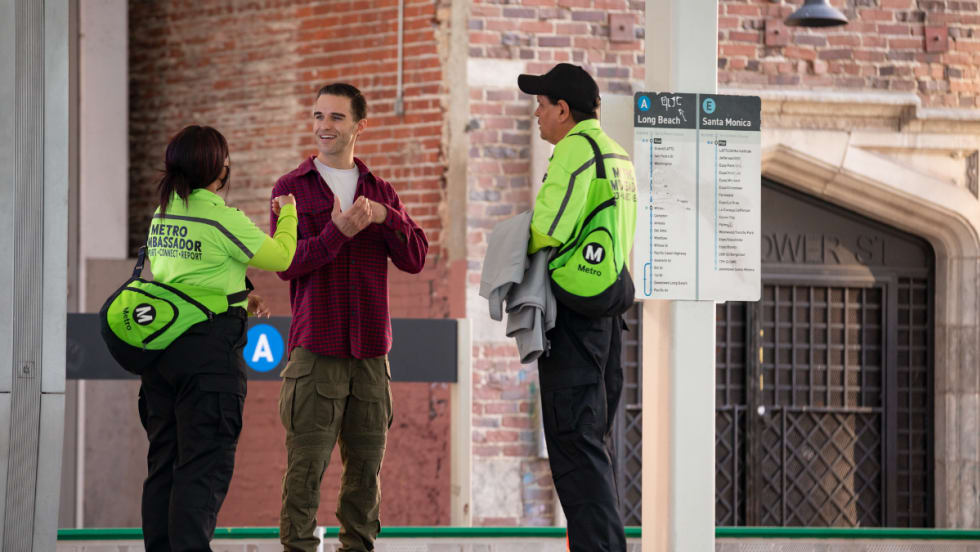
LA Metro Reports 57% Decline in Homelessness on Transit System Since 2024
The agency's latest homelessness count offers new data on how care-based services and cross-sector partnerships can complement traditional transit security strategies.
Read More →
FTA Launches 'Transit Moves America' Dashboard to Highlight Agency Safety and Performance
The online dashboard transforms National Transit Database information into a public-facing resource that allows users to compare transit agencies on key operational and safety metrics.
Read More →