




Human trafficking is modern-day slavery, affecting millions of adults and children in the U.S. and worldwide. Traffickers move their victims on all modes of transportation, and sometimes use public transit due to its low cost, greater anonymity in buying fare cards, and less direct interaction with government or transit officials.
24 transit agencies receive fed grants for human-trafficking awareness
Traffickers sometimes use public transit due to its low cost and greater anonymity in buying fare cards.
January 29, 2020

Calif.’s Santa Clara Valley Transportation Authority will receive $350,000 to launch an awareness campaign that will include rider education on how to report suspected human trafficking activity as well as increased employee training on human trafficking.
VTA
2 min to read

The Federal Transit Administration (FTA) announced $5.4 million in grant selections through its Human Trafficking Awareness and Public Safety Initiative at an event at U.S. Department of Transportation headquarters.
Twenty-four organizations across the country will each receive funding for projects to help prevent human trafficking and other crimes on public transportation. A list of the selected projects is available here.
“The funding announced today will empower transit agencies and other organizations to develop local solutions to address human trafficking on buses, trains, and other forms of public transportation,” said FTA Acting Administrator K. Jane Williams. “Our goal is to build awareness among all transit operators and the traveling public to enable them to recognize and report potential instances of human trafficking.”
The total funding for the projects includes $4 million in funding announced earlier this year as well as an additional $1.4 million. Recipients include:
Calif.’s Santa Clara Valley Transportation Authority will receive $350,000 to launch an awareness campaign that will include rider education on how to report suspected human trafficking activity as well as increased employee training on human trafficking. Home to Silicon Valley, Santa Clara is vulnerable to an increase in human trafficking and other crimes given its location near international travel hubs including air, sea and rail and a rapidly growing population.
The Gwinnett County Board of Commissioners in Georgia will receive $352,000 to install communications equipment on buses linked to dispatchers at the transit maintenance center, allowing for live monitoring of the bus driver and their surroundings. Gwinnett County Transit operates seven local bus routes and five express routes in the northeast metro Atlanta region, carrying approximately 1.5 million riders annually.
The Community Transportation Association of America (CTAA) will receive $242,677 to improve existing educational materials for transit agencies on human trafficking, operator assault, and public safety, and develop new learning tools. CTAA is a national association of public, nonprofit, and private transportation and mobility management providers.
FTA’s Human Trafficking Awareness and Public Safety Initiative supports USDOT’s Transportation Leaders Against Human Trafficking initiative. The Department’s Advisory Committee on Human Trafficking completed a report in July 2019 that recommends actions the department can take to help combat human trafficking and best practices for states and local transportation stakeholders.
More Security and Safety
FTA Launches 'Transit Moves America' Dashboard to Highlight Agency Safety and Performance
The online dashboard transforms National Transit Database information into a public-facing resource that allows users to compare transit agencies on key operational and safety metrics.
Read More →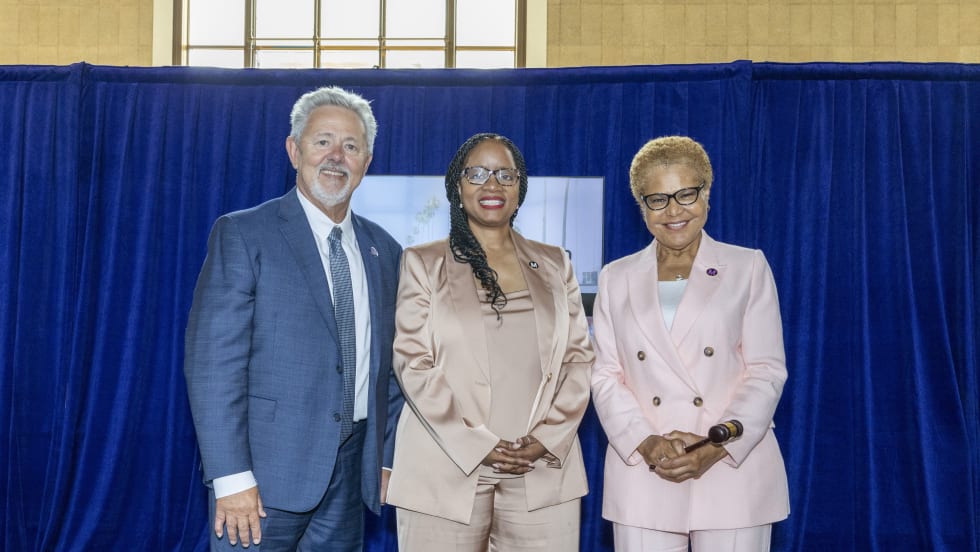
LA Metro Marks Banner Year, Sets Ambitious Goals for New Fiscal Year
Incoming LA Metro Board Chair and Los Angeles Mayor Karen Bass joined outgoing Board Chair Fernando Dutra and LA Metro CEO Stephanie Wiggins to review accomplishments from fiscal year 2026, which included the opening of new rail extensions, advancement of major transit projects, expanded safety programs, and new rider amenities.
Read More →
Building the Next Generation of Transit Technology
In this edition of METROspectives, Luminator CEO Magnus Friberg discusses the company's transformation, the growing role of AI and software, and what's next for transit technology.
Read More →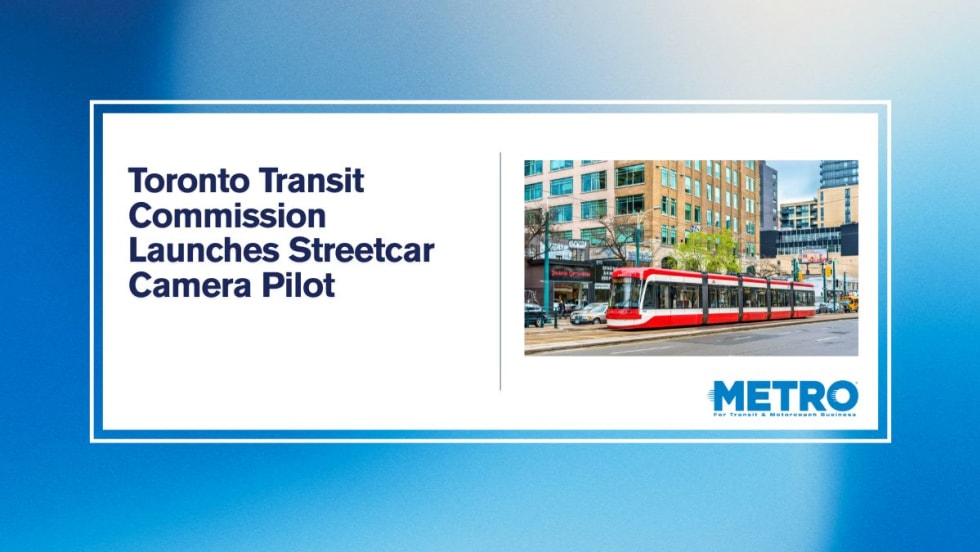
TTC Launches Camera Pilot to Curb Illegal Passing of Streetcars
During the pilot, the cameras will measure how often illegal streetcar passing occurs and test the technology's reliability for future automated enforcement.
Read More →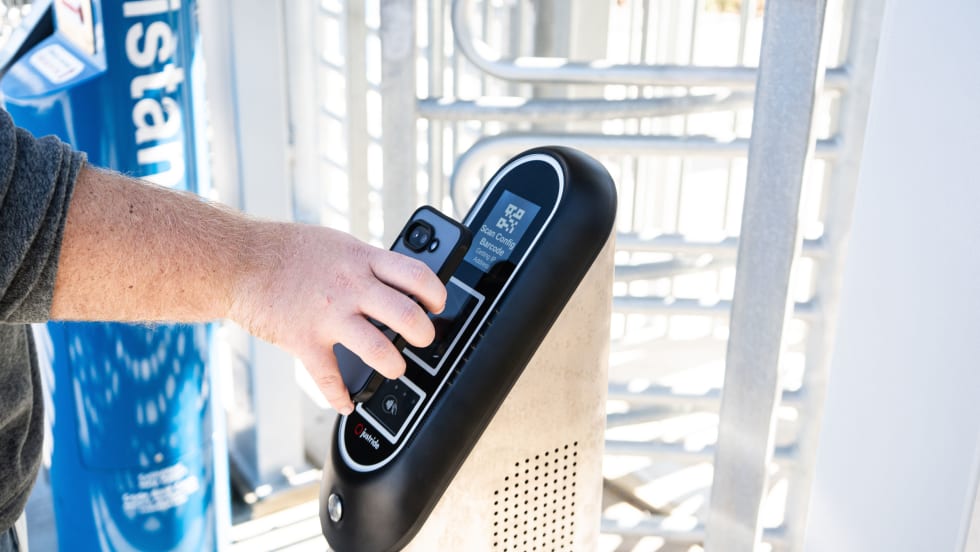
Biz Briefs: Masabi Teams with St. Louis Metro and More
In METRO's latest installment, we take a look at recent news from Transdev, Hitachi, and more partnerships making headlines across the transportation sector.
Read More →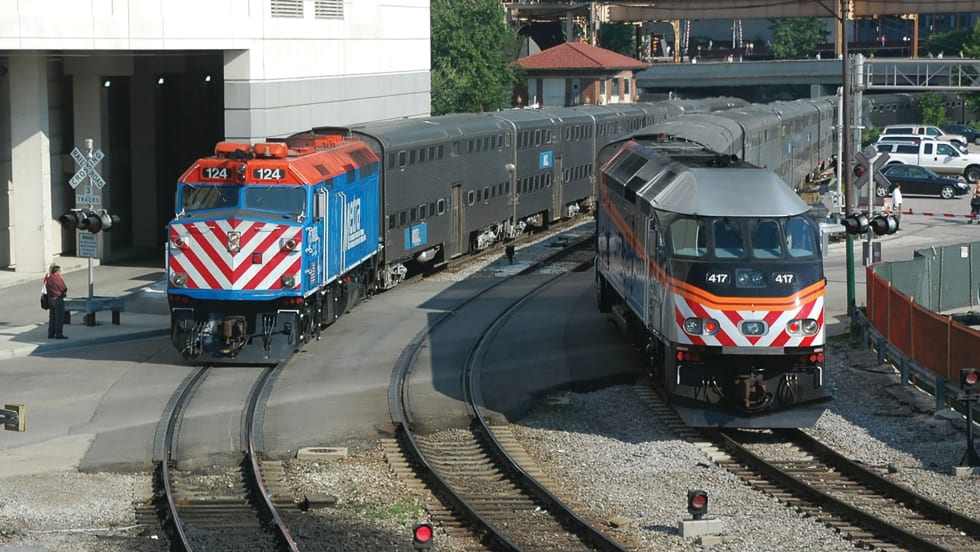
Metra Begins Drone Pilot Project to Boost Safety and Security
The project is funded through a $620,000 grant from FEMA’s Transit Security Grant Program, which provides transit agencies with funding for projects intended to protect critical transportation infrastructure and the traveling public.
Read More →
Building the Next Generation of Transit Technology
In this edition of METROspectives, Luminator CEO Magnus Friberg discusses the company's transformation, the growing role of AI and software, and what's next for transit technology.
Read More →
APTA Recognizes Excellence in Rail Safety and Security at 2026 Rail Conference
Nominations are evaluated on four criteria: effectiveness, benefit level, innovation, and transferability.
Read More →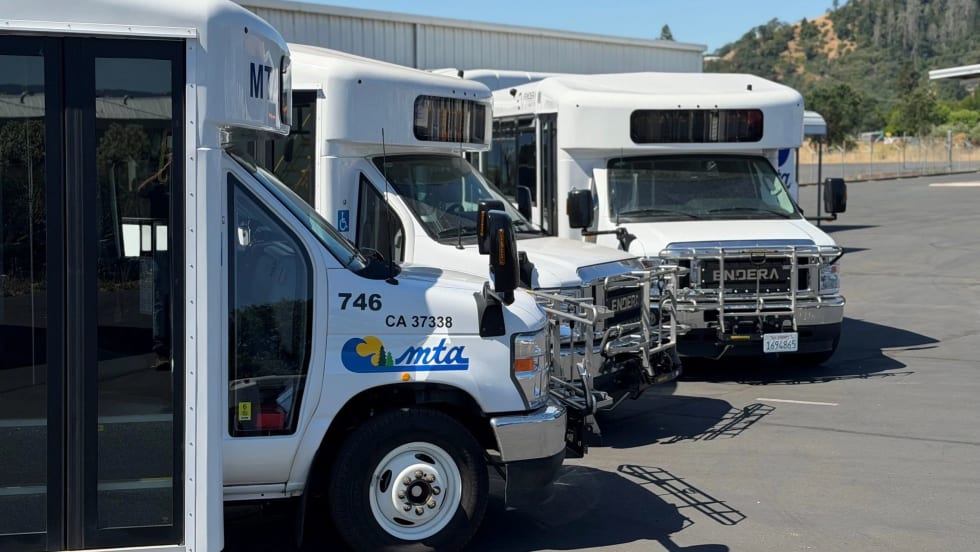
Biz Briefs: Endera Delivers to California, Safety Vision Teams with San Antonio's VIA, and More
From manufacturers and suppliers to transit agencies and motorcoach operators, these updates offer a snapshot of the projects, partnerships and business moves driving the industry forward.
Read More →
The Role of AI in Public Safety for Smart Transit Systems
As transit systems generate more data than ever, AI-powered safety tools are helping agencies detect incidents faster, improve response times and enhance situational awareness.
Read More →