



RATP Dev USA reduces vehicle accidents by 19%
Using Coruson, Ideagen’s cloud-based system for enterprise safety, quality, reporting, and incident management.


RATP Dev USA, a wholly owned subsidiary of RATP Group, which operates and maintains urban intercity transportation systems in 14 countries, launched its “drive2zeroTM” Safety Management System (SMS) last year and adopted Ideagen’s software.
Coruson, Ideagen’s cloud-based system for enterprise safety, quality, reporting, and incident management, is used by RATP Dev USA to directly manage safety, risk, and operational performance across all bus, paratransit, and rail services.
“We started implementing SMS in our subsidiaries back in December 2017 and, to date, we’ve implemented SMS in eight out of around 35, so we still have a lot of work to do,” said Mike Anderson, VP, safety and security, for RATP Dev USA. “But our initial results are very promising — we’ve seen an overall reduction year-to-date of 19% in vehicle accidents alone.”
As part of the same framework, SmartDrive Systems, a video-based safety and transportation intelligence, provides RATP Dev USA’s fleets, drivers, and management with driving performance insight and analysis, helping save fuel, expenses, and lives.
“drive2zero is our internally developed safety solution,” explains Patrick Manley, director, safety, for RATP Dev USA. “We worked and partnered with Ideagen and SmartDrive to help develop some of the electronic components of the drive2zero SMS.
“Where in the past we have seen companies report positive results in nine to 12 months, we’re now seeing results in six to seven months. That’s due to an increase in hazard reports as we now have people telling us where risk is in our organization and a comprehensive way of managing that risk,” he adds.
RATP Dev USA transports more than 78 million passengers across the U.S. through various transportation services such as bus, urban or intercity rail lines(streetcar), and shuttle services.
The drive2zero framework has four components — Safety Policy, Risk Management, Safety Assurance, and Safety Promotion. Its aim is to continuously improve transit operations and support RATP Dev USA’s commitment to an unparalleled safety record for customers and employees.
More Technology

ETA CEO John Maglio on Transit Technology, Innovation, and Building Agency Trust
ETA founder and CEO John Maglio explores the evolution of transit technology, the importance of reliable systems, and how stronger partnerships can help agencies improve operations and the passenger experience.
Read More →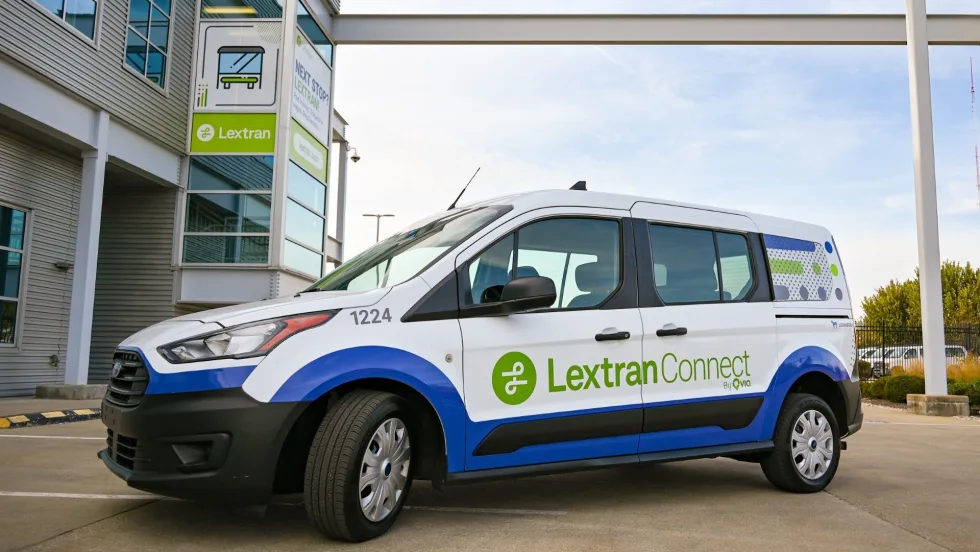
Lextran, Via Team for On Demand, HDR to Work on Twin Cities BRT, and More
In METRO's latest installment, we also take a look at recent news from Keolis, Complete Coach Works, Anchor Transportation, and more partnerships making headlines across the transportation sector.
Read More →
Caltrain’s Electrification Drives a New Era of Ridership Growth
The railroad’s shift to electric service has brought more frequent trains, stronger customer satisfaction, and increased ridership, earning it APTA’s Outstanding Public Transportation System award.
Read More →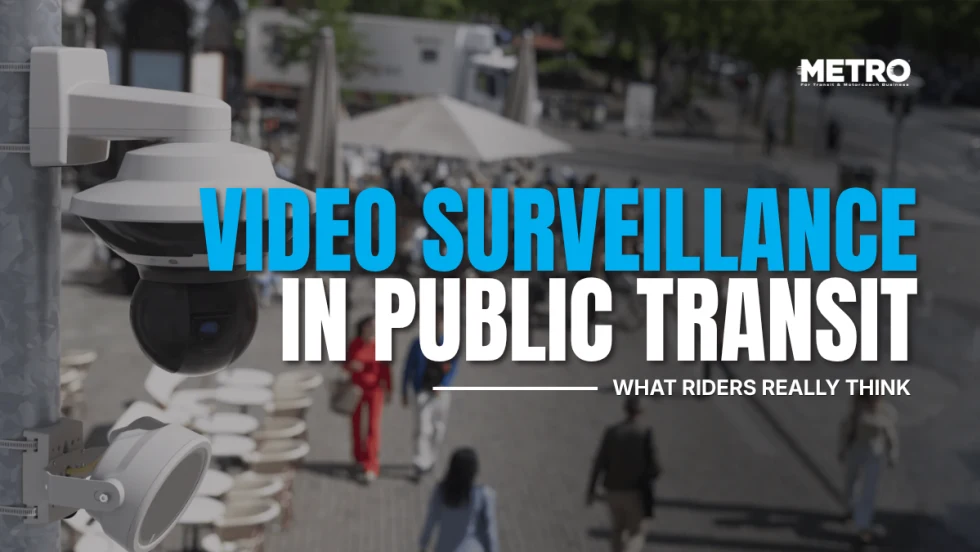
Video Surveillance in Public Transit: What Riders Really Think
As video surveillance gains public acceptance, new research from Axis Communications reveals what transit riders expect from agencies when it comes to safety, privacy, and AI.
Read More →
New York MTA Launches Historic $1.9B Signal, Track Modernization Project
Funded in part by congestion pricing revenue, the project will replace nearly century-old signals along the A and C lines in Brooklyn and Queens.
Read More →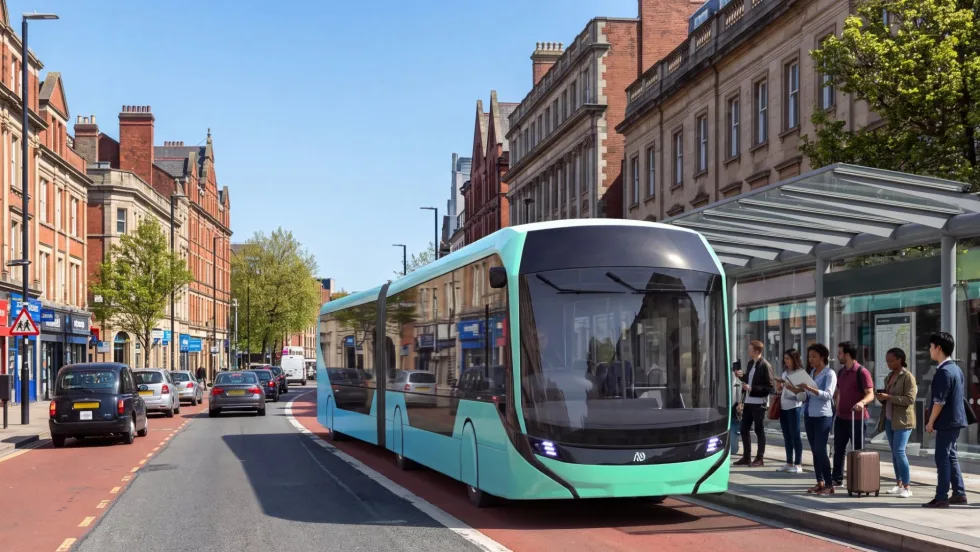
Biz Briefs: New Electric Offering from Alexander Dennis/Volvo, Transdev in Boston, and More
In METRO's latest installment, we also take a look at recent news from STV, WSP, Prevost, and more partnerships making headlines across the transportation sector.
Read More →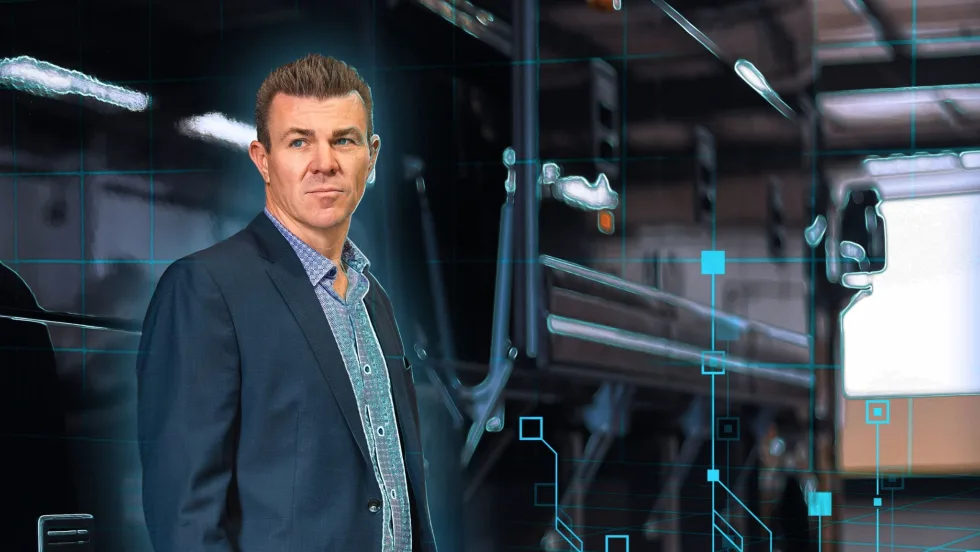
Roman Cornell on ABC Companies’ Evolution and the Future of Passenger Transportation
The company’s CEO discusses carrying forward a third-generation family legacy, ABC’s continued evolution in passenger transportation, support for increasingly complex fleets, and how technology and continued investment could help operators improve uptime.
Read More →
ETA CEO John Maglio on Transit Technology, Innovation, and Building Agency Trust
ETA founder and CEO John Maglio explores the evolution of transit technology, the importance of reliable systems, and how stronger partnerships can help agencies improve operations and the passenger experience.
Read More →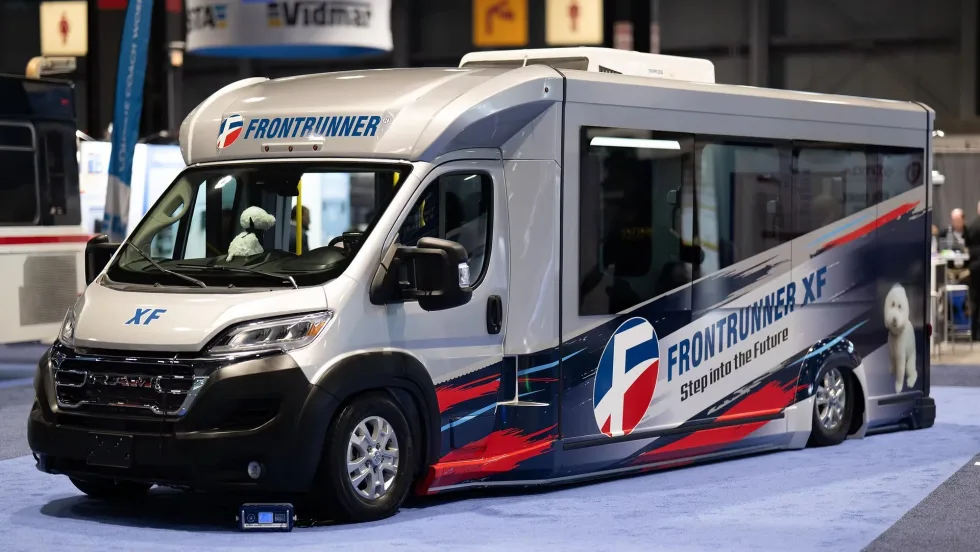
Frontrunner Bus Group Introduces XF Low-Floor Bus with Enhanced Accessibility
The new mid-sized bus features a full flat-floor design, eight-inch curbside step-in height, and zero-entry rear ramp to improve passenger access and operational flexibility.
Read More →
Building a Flexible Path to Transit Electrification with BAE's John Hroncich
John Hroncich discusses BAE Systems’ modular and scalable approach, lessons learned from decades of real-world operations, and how agencies can identify electrification strategies that fit their fleets.
Read More →