In recent years, public transportation has seen significant growth in ridership, spurred most recently by skyrocketing fuel prices. Add on the growing plague of gridlock due to urban sprawl and a failure by governments to actively and meaningfully encourage the use of transit and transit-oriented development (TOD), and it’s clear that technologies and policies that can change the face of public transportation are badly needed.
The Federal Transit Administration has a stated goal of doubling ridership by the end of the decade. The following 10 technologies and tools will help achieve that goal. There are many others, thankfully, but these figure to play the most significant role.
1. Bus electrification
The electrification of buses signifies the dawning of an era of higher fuel-economy, greater efficiency, reduced emissions, greater maintainability and reliability, increased lifecycle cost savings, more passengers with fewer vehicles and a vastly improved experience for passengers. In short, bus electrification translates to significant strides forward in passenger satisfaction. Technological benefits like accessory-load electrification allow hybrid-electric buses to run an HVAC system and power steering on electric power and therefore disable the engine during idling, greatly reducing the impacts on environmental and public health, especially in sensitive urban areas. In the current climate of rising fuel costs, geopolitical warfare and global warming issues, bus electrification makes a strong business case and has the political support to spread rapidly.
2. Management/dispatch technology
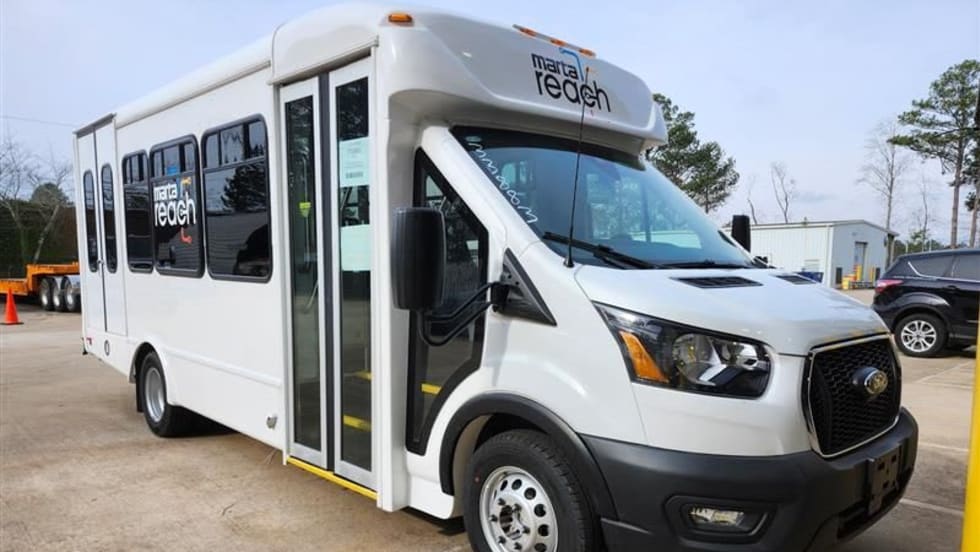
The use of new technologies for making transit more responsive to the user is a major component of addressing the first mile/last mile issue. The paratransit model, a demand-response niche service outside mainstream rail and bus services, will potentially be revolutionized by the Internet, GPS and cellular technology. One illustration of this is the proposed Flex BRT system in Altamonte Springs, Fla., which combines circulating buses and a dynamic routing system to respond to commuter requests placed by phone, Internet or signal boxes at route stops. Tied to land-use policies, it will cross city and county boundaries and connect to Orlando’s LYNX system. At the other end of the spectrum is NuRide, a nationwide network that uses the Internet to organize rideshares the way airline applications do. The user plans a trip online — either as driver or rider — and then chooses his or her partner, earning reward points for each shared mile.
3. Real-time passenger information technology
A large source of frustration for any transit rider is the lack of information surrounding the next bus or train arrival. Another irritant is the question of what the best route may be. Transit-passenger information technology solves both of these issues by providing real-time information on route planning, congestion avoidance and on-demand services, using either online technology (Google Transit or hopstop.com) or electric signage. This technology is already adding feedback and pressure for public agencies to increase transparency and responsiveness, thereby improving passenger satisfaction and increasing ridership and revenue. The costs are relatively low since infrastructure changes are rarely needed and the technology is easily accessible.
4. Bus rapid transit (BRT)
BRT is one of the fastest growing transportation modes ever. By combining technology such as signal priority and real-time transit information with express-style routing and sophisticated branding, BRT is attracting new riders with reduced travel times and increased reliability. Augment these benefits with streamlined, rail-like vehicles and dedicated lanes or busways, and it’s easy to see why BRT is developing at such a rapid clip. For the transit agency, it also offers reduced capital costs, the option of staged deployment and implementation timeframes that are a fraction of rail’s. On top of that, BRT makes rail investments more viable by improving the connectivity of an entire transit network.
5. Driverless technologies
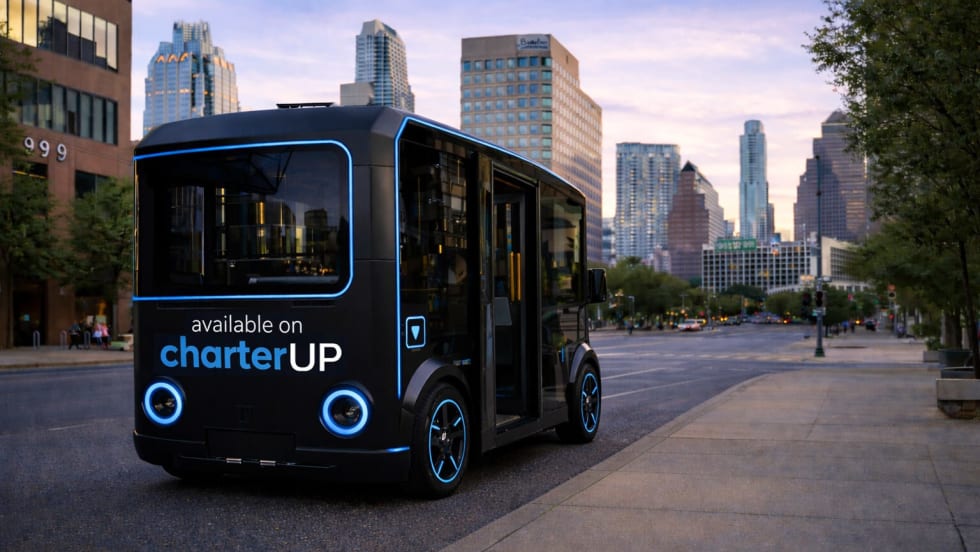
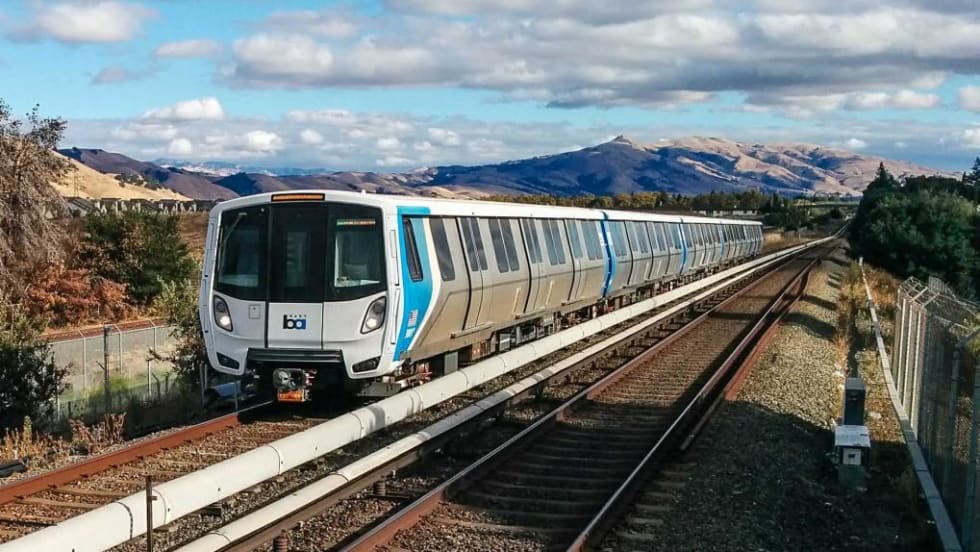
Driverless trains have been available for years in U.S. airport peoplemovers and in subways in other nations. The U.S. Department of Transportation has funded several demonstration projects that have shown it is possible to have rubber-tired vehicles driven by remote control. More than eliminating the need for the driver, these technologies show dramatic improvements in service productivity because service can be deployed in real time to meet fluctuations in passenger demand. In fact, the French automated mini-metros in Lille, Toulouse and elsewhere actually expanded staff because passenger demand exploded when near-on-demand response made transit more convenient.
6. Smart cards
Combined with dynamic transit management and real-time passenger information technology, smart cards for inter- and intramodal transfers afford significantly improved user-friendliness. Beyond this, however, information technology tools could force transit agencies to coordinate service among their colleagues in both public and private sectors far better than they do today. After all, state-of-the-art information technology for passengers and transit managers is the reason London is able to manage and improve mobility choices. London’s Travelcard is an example of common fare media that allows riders to go from British rail commuter trains, London Underground, light rail and buses with the same payment.
7. Enhanced intermodal exchange
While not a technology, intelligent planning that facilitates interconnection and modal transfers is an essential part of increasing the attraction of public transportation. By using technology to eliminate or minimize the gaps between local bus lines, BRT, light rail, subway and commuter rail, communities can create a truly integrated system that riders will use. Combine this with appropriate information and integrated fare systems, and the outlook for public transportation will be greatly enhanced, because riders will be able to exploit the flexibility of municipal transit in a variety of modes. It’s also an ideal way to attract TOD, with plenty of foot traffic that merchants need.
8. On-demand NEVs
On-demand services offer increased options for public transportation at the flexibility that fits their schedules. Electric stations store neighborhood electric vehicles (NEVs) for use by the public. Drivers in Morristown, N.J., and in the San Francisco Bay area, for instance, can take cars to commute from their home to the station or from the station to their place of work. Away from the station, they can be used for any type of short trip. Another example of on-demand technology is Biceberg, an underground storage service for bicycles and equipment that automatically retrieves and stores bicycles according to information in the customer’s smart card. The service has already begun in Spain.
9. High-tech passenger amenities
Which is more attractive? Sitting in front of your television and watching your favorite show, or sitting in front of your steering wheel in gridlock? Commuters on Riverside County’s (Calif.) CommuterLink Route 202 can now choose to relax to free Wi-Fi Internet access and satellite television while traveling between southwest Riverside County and Oceanside. New, high-tech passenger amenities can deliver not only new ridership, but new income streams. The upgraded buses are designed to attract the type of commuter who currently drives to work but is willing to give mass transit a chance.
10. Better infrastructure amenities
Certain bus and light rail lines are now removing seats to add features like grocery racks and bike racks to make it easier to run errands or switch modes. Others are offering nicer interiors while some bicycle “stations” have been introduced in a few California cities to provide valet parking for bicycles, repair services, rentals, restrooms and changing rooms. The combination of variable real-time signage and comfortable, inviting intermodal hubs attract passengers, but both have the potential to increase private investment through joint development and advertising income, a valuable additional revenue stream for the industry. Financial projects for some light rail and BRT projects show that ancillary revenues can pick up at least half the operating costs, while private joint development can buy down significant portions of station construction costs or even provide an ancillary income stream through bondable concession revenues.
A call to action
Most of these technologies have already been implemented in demonstrations or are even in revenue service somewhere. For these technologies and policies to be truly transformative, transit systems must transform themselves first and embrace them.