



Selling Against Price? Learn to Create Urgency
Motorcoach operators often have to compete against other operators offering the same services at a lower price. Using a clear-cut sales process, learn to engage customers in conversations that allow them to decide based on total value and not just the bottom line.
Recently I was invited to speak at the United Motorcoach Association’s annual conference in Atlanta. While waiting to speak, I sat and listened as a panel was asked to address a simple question. “How do we compete against price?” Each member of the panel took a stab at it:
“Tell them you’re better because...”
“Tell them you offer things the competition cannot offer, such as...”
“Tell them it would be a mistake to make a decision based on price because...”
It went on and on. The bad news is the answer to that question just isn’t as easy as telling the customer what you can do that the competition cannot. The good news is there is a repeatable, predictable process that can be used by motorcoach operators to deal with this common and difficult situation.
Defining the selling process
The first thing you have to do is get rid of the words “tell them.” You’ll never win the price war by reciting benefits to a customer. You’ll win by selling the customer, so let’s start by defining selling as “the art of taking an idea, planting it in the prospect’s brain and making him feel like he thought of it.”
What do you place in the prospect’s brain? That’s easy — the strengths of your organization. How do you place it in your prospect’s brain? That’s where the selling process comes in.
It was Xerox that taught me how to sell. Xerox would never sell a copier if its salespeople walked in front of a prospect and began talking about the strengths of their copiers. Let’s face it, if you compare the top five copiers, you’ll find that most can make copies on two sides of a piece of paper, giving you good copy quality, fairly quickly. Likewise, customers of motorcoach operators are looking for a company that can take them where they want to go, safely and comfortably in a given time period. Still, some fare much better than others.
So why is it that Xerox and the best coach operators can succeed in their respective industries by doing pretty much exactly what the competition does, while charging up to 20% more? They sell.
Lower price equals less to offer
Do you think your competition will concede that you have superior service? Of course not. Essentially, your competition goes after your prospects promising everything you promise, but at a lower price, and your prospects go after it hook, line and sinker. After all, in the absence of value, price is always the most important criteria.
When a coach operator builds a business based on price, that’s all they can offer. They might not concede service, passenger comfort or driver professionalism, but they cannot afford these necessities. When the customer calls your competitor, someone will promise them services they will never see.
Then the customer will call you and hear the same promises, but at a higher price. So a decision will be made to go with the competitor, and you won’t understand why.
So what are you going to do about this dilemma? Fortunately, there is a solution, but it’s not an easy one. You must create urgency, and to do it, you’re going to have to create pain.
There are two types of customers who make decisions based on price those who have been burned and those who will be burned. A salesperson’s job is to keep customers from the inevitable price-based decision, and that means being prepared to ask a series of tough questions.
The basic process
The questioning process consists of four critical elements that should be the true test for any selling process.
1. It must ask questions to persuade, allowing customers to discover their own solutions. In a motorcoach deal, for example, think of questions that might get the customer thinking of specific qualities in a vehicle or driver. The more customers talk, the more they like you. Have a list of questions and not a list of solutions.
2. It must be problem based instead of solution based. A customer’s problem shapes his need. If a customer wants additional information on a driver’s record, that customer had previous problems with a driver, or heard about it from someone else.
3. It must systematically and intentionally disturb the customer without making the customer unhappy with you personally. Remember, the customer must paint the picture, and not the other way around.
4. Finally, it must have as little to do with your recommendation as possible. That’s correct, you read that right. When you learn how to sell, the solution is the easy part. The hard part is teaching people how to earn the right to make their own recommendations, and once they have, how to proceed.
Looking down the road
The whole point in the process is to believe in your solution. Having difficult conversations will present the customer with two choices — wait for a significant problem to occur or talk about it beforehand. When you learn to create urgency, you have learned to work proactively with the client, defusing price.
For example, if a client perceives passenger discomfort as a small problem, it becomes a small need. If it’s a small need, they will be unwilling to pay for it, and they will think that costs to cover passenger comfort are unnecessary. If you argue the benefits of this feature, you will strengthen your competitor’s position as a price leader.
However, if you learn to disturb, sequence your questions and lead a customer through a discussion about comfort, it then becomes their idea. Once it becomes their idea, it becomes an unshakeable need.
People don’t look far down the road. If they did, we would all make different decisions in our lives. Your job in selling is to help people look down the road further than price and, in a consultative manner, help them find better solutions to their problems.
Unwavering commitment to improvement
In addition to the right attitude and approach to selling, offering a solid product clearly plays a critical role in sales success. One way to keep your coach operation attractive to potential customers is to change with the times, making a consistent commitment to adding fresh services. An operation must constantly strive to come up with innovative and unique ways of promoting new product, says Scott Kennedy, manager of sightseeing and charters for Atlantic Tours Gray Line in Halifax, Nova Scotia. Atlantic offers numerous daily and multi-day trips that Kennedy says infuse something different than what’s offered by most other coach operations. Among the innovations employed by Atlantic are GPS-automated tour commentary, interactive online tours, land and sea trips in an amphibious vehicle and combination tours that use multiple vehicles over the course of several days. Stefanie Gorder, senior vice president of sales and marketing for Premier Alaska Tours in Anchorage, also subscribes to this line of thinking. “By staying focused in today’s changing times, we have continued our growth while keeping our service and value records strong,” she says. And what are some examples of how Premier has done so? According to Gorder, the company recently began partnering with national tour operators to allow them to utilize Premier’s coaches during the slow season (October to April). By entering into agreements with other private operators, Premier has also contracted to relocate some coaches from Alaska to the Pacific Northwest and California in 2005. This agreement, Gorder says, provides more than one benefit. “It will increase our charter sales considerably, as well as give our driver team an opportunity to experience the warm California weather during Alaska’s winter,” she says. Rob Jolles is a best-selling author, speaker and president of Jolles Associates Inc., an international training corporation.
More Management
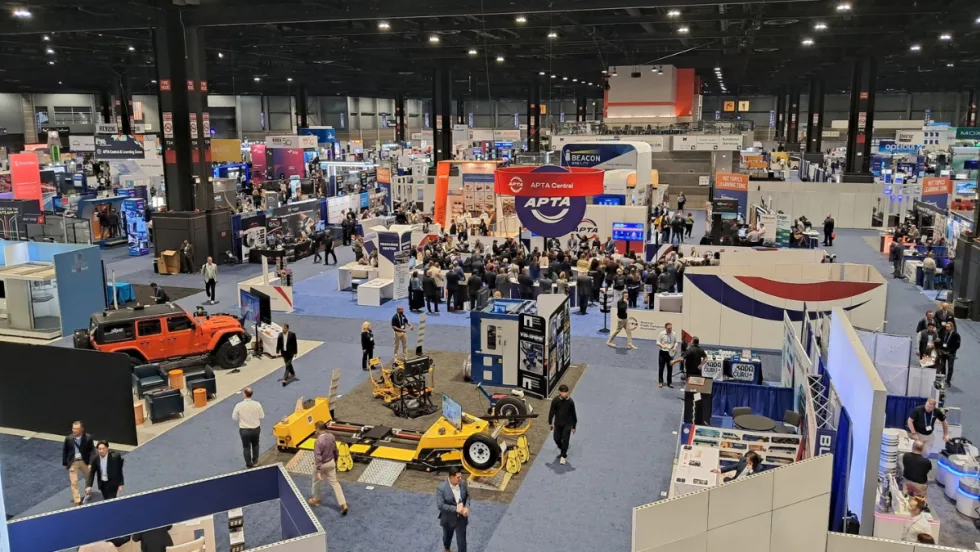
APTA 2026 TRANSform & EXPO Kicks Off in Chicago
After 45 years, APTA returns to Chicago with a focus on next-generation fleets, AI, connected transit networks, and the funding strategies shaping public transportation’s future.
Read More →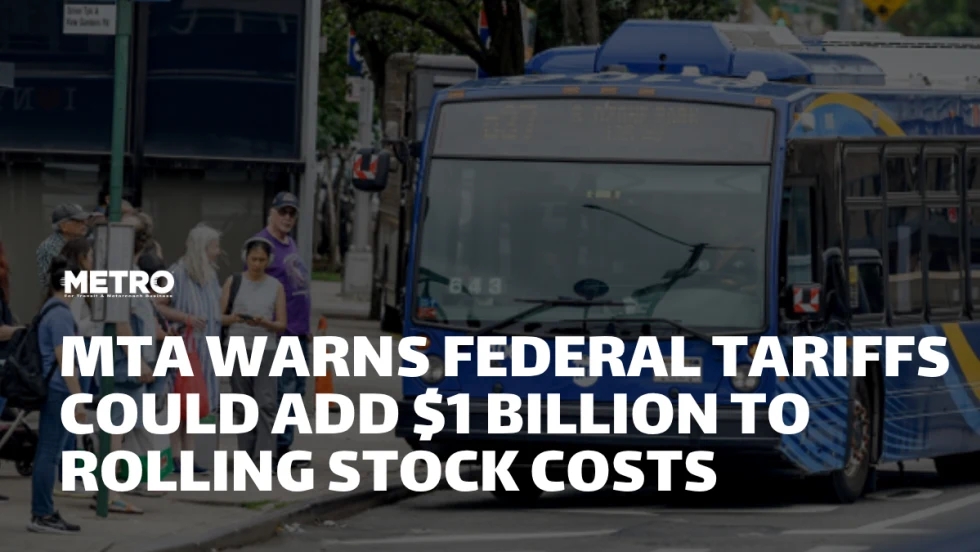
New York MTA Warns Federal Tariffs Could Add $1 Billion to Rolling Stock Costs
The agency said tariffs on specialized imported components could reduce the purchasing power of its $23 billion investment in new subway cars, railcars, and buses.
Read More →
From the Show Floor: What’s Happening at APTA TRANSform & EXPO 2026
Follow the latest product launches, partnerships, technology updates, and transit industry announcements coming out of APTA TRANSform & EXPO in Chicago.
Read More →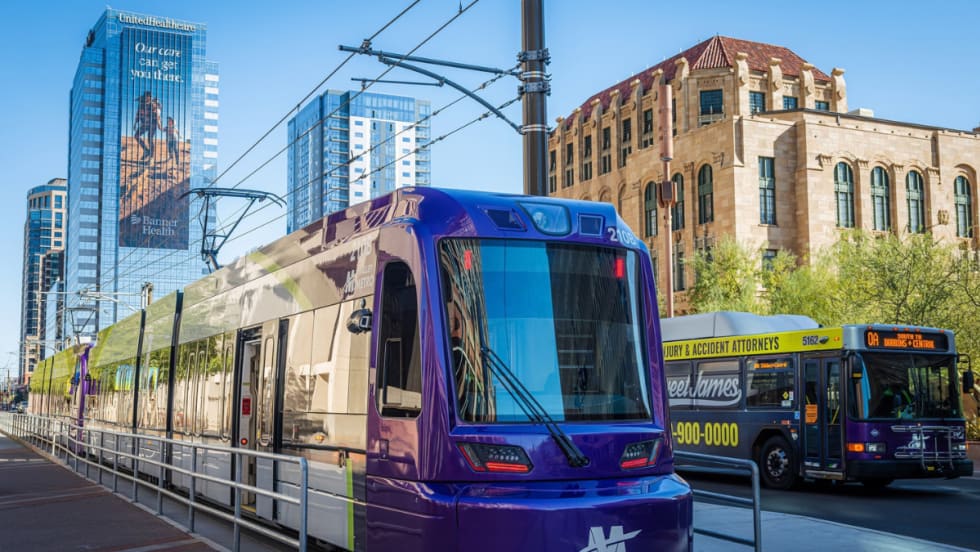
How Valley Metro Is Balancing Transit Growth With the Rider Experience
The APTA award-winning agency is pairing rapid system expansion with investments in workforce, safety, technology, and the fundamentals of transit service.
Read More →
Bus Tech Talk: Keeping Transit Technicians Ahead of the Technology Curve
In this episode of Bus Tech Talk, Complete Coach Works’ Business Development Manager Mark Hollenbeck and METRO’s Executive Editor Alex Roman sit down with Obed Mejia, Senior Technical Trainer for Bus Maintenance, at LA Metro to discuss how rapidly evolving bus technology is changing the maintenance shop — and the skills technicians need to keep pace.
Read More →
Michael Schneider Joins Paslay Group to Expand Transportation Practice
The longtime transportation executive will help Paslay Group grow its advisory and program management work across transit, highway, and other infrastructure sectors.
Read More →
People Movement: Connectpoint Expands Leadership Team, Stadler Names New Group CEO, and More
In this edition, we also spotlight recent personnel moves at Burns, UZURV, and more, highlighting the people taking on new roles across the transportation industry.
Read More →
More Than a Summer Job: Building the Next Generation of Transit Talent
The Delaware River Port Authority and PATCO have transformed their internship program into a hands-on professional development experience that introduces students to the breadth of transportation careers — and creates a pipeline for future employees.
Read More →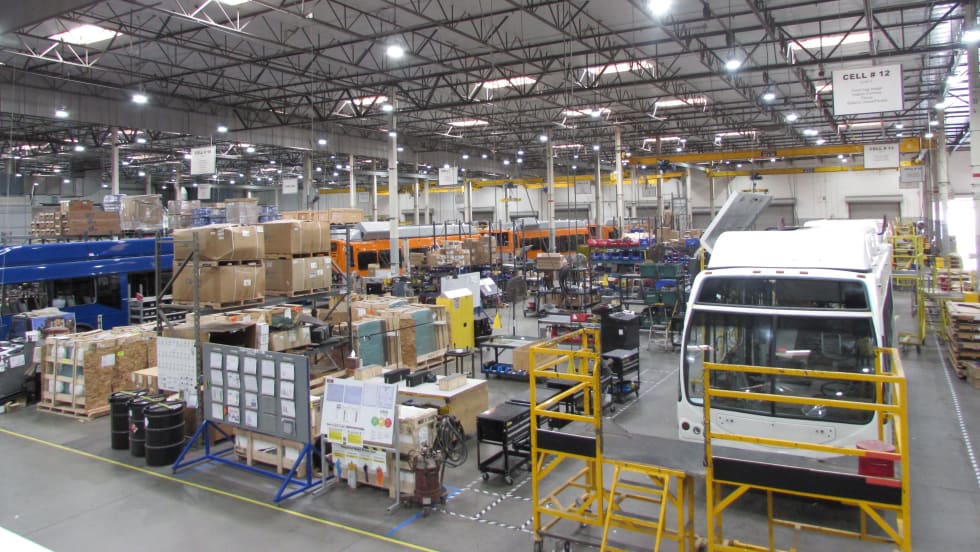
LA Metro Board Awards 220 Battery-Electric Bus Contract to ENC
The contract, which is the largest base award of battery-electric buses by a U.S. transit agency, will be built in Southern California, sustaining good jobs as LA prepares to welcome the world in 2028
Read More →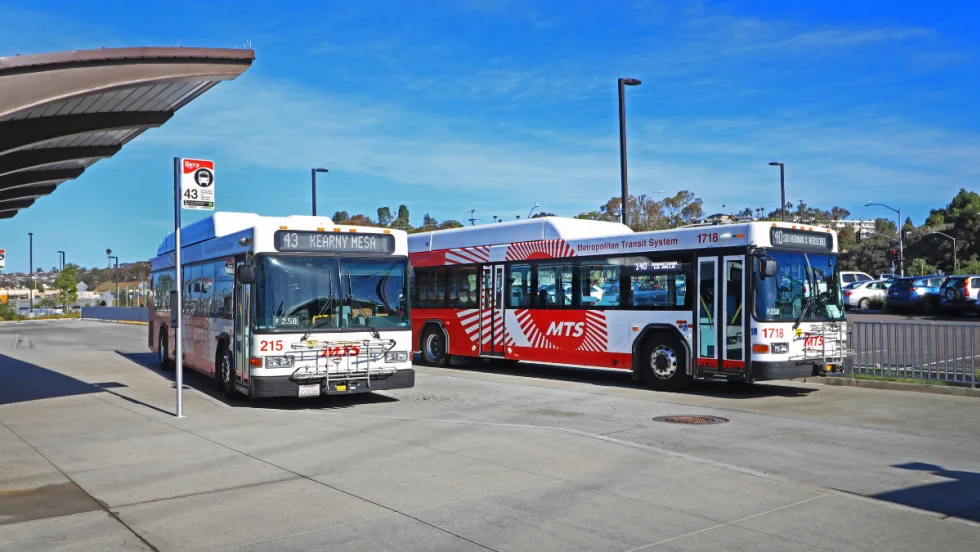
What’s Behind San Diego MTS’s Award-Winning Transit Strategy
Named one of APTA’s 2026 Outstanding Public Transportation Systems with 50 million or more annual passenger trips, California’s San Diego Metropolitan Transit System points to gains in ridership, safety, technology, and reliability as foundations of its success.
Read More →