



Laidlaw undergoes financial restructuring
High fuel prices and a tight labor market were a couple of the factors that brought Laidlaw Inc. to the brink of financial disaster and a suspension from the New York Stock Exchange.

High fuel prices and a tight labor market were a couple of the factors that brought Laidlaw Inc. to the brink of financial disaster and a suspension from the New York Stock Exchange. “While the company’s core passenger services performed reasonably well in the face of difficult operating conditions … the company’s future was imperiled by the severe reduction in value of our other principal assents,” said Chairman Peter Widdrington and President John Grainger in a letter to shareholders. Facing a debt of more than $3 billion, Laidlaw planned on selling such assets as Safety-Kleen Corp. and healthcare businesses American Medical Response Inc. and EmCare Holdings Inc. That plan was never executed because Safety-Kleen filed for bankruptcy and the value of the other two companies declined. “These reductions resulted in write-downs which eliminated the book value of shareholders’ equity, put Laidlaw in violation of its debt covenants and left the company with an unmanageable debt load,” the letter read. Laidlaw is currently undergoing a restructuring program, the details of which can not be disclosed due to government regulations, Grainger said. The company has consolidated liquidity in excess of $250 million as a result of cash-on-hand and the availability of $100 million under a bridge facility with the Canadian Imperial Bank of Commerce and more than $50 million under a $125 million facility established for Greyhound Lines Inc. “This working capital infusion enables all Laidlaw’s operating companies to continue to execute their business plans, effectively isolated from the process of restructuring Laidlaw’s balance sheet,” said Widdrington and Grainger. For fiscal year 2000, the company reported a loss of $2.24 billion on sales of $2.93 billion, compared with a loss of $1.12 billion on sales of $2.25 billion the year before. While Laidlaw remedies its financial situation, there will not be any service interruptions for its affiliate companies, including Greyhound, said T.A.G. Watson, Laidlaw’s vice president of communications. “We have an objective of keeping the companies active and whole and keeping them supplied with cash for their needs,” he said. “We are progressing.” The NYSE suspended trading in Laidlaw’s common shares and certain exchangeable notes after it fell below the continued list criterion that requires companies to maintain a minimum share price of $1 during a 30-day trading period. Laidlaw last traded at less than 10 cents a share. The company can still be traded on the Toronto Stock Exchange and over the counter in the U.S.
More Management
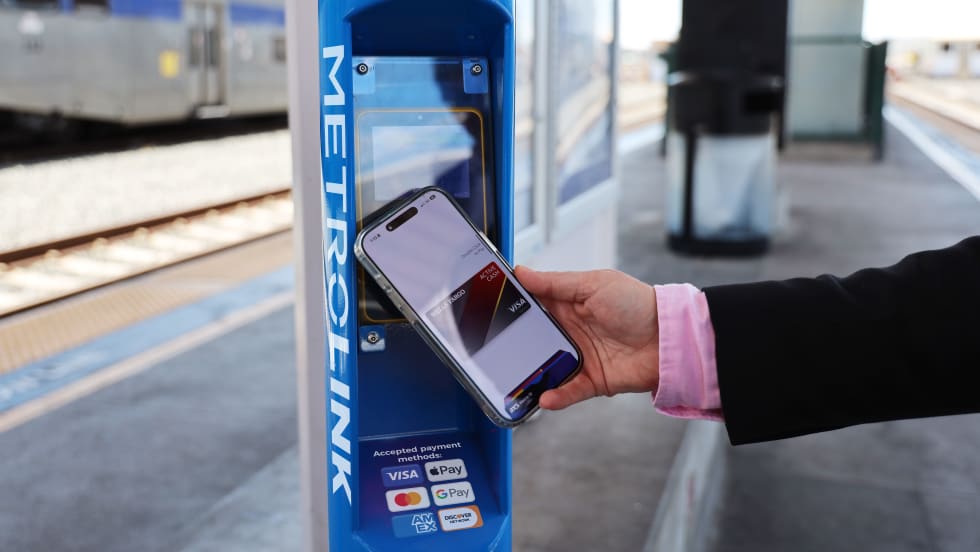
Southern California's Metrolink Debuts Contactless Fare Payment Pilot
Customers traveling between Redlands and Los Angeles can now tap their preferred payment method, including a credit or debit card, mobile wallet, or wearable device, at station validators before boarding and again while exiting.
Read More →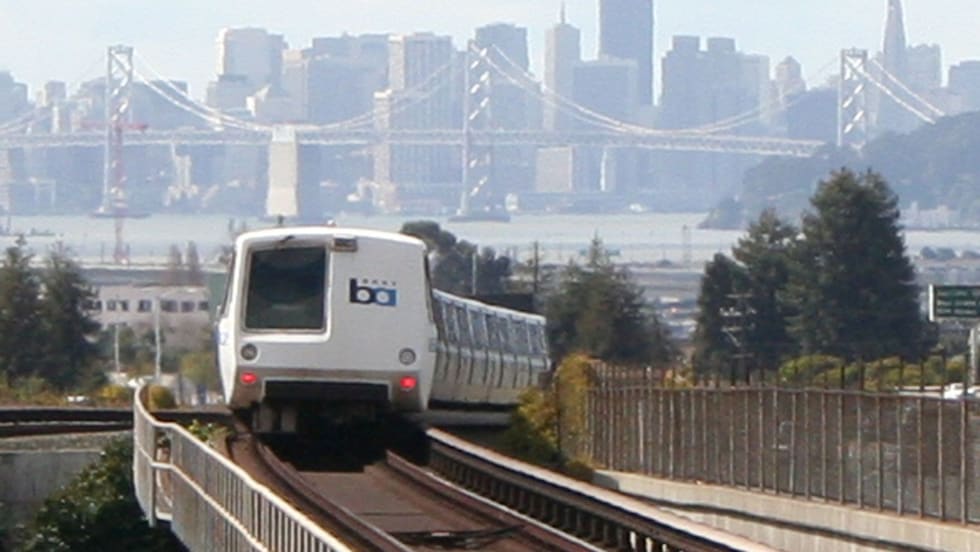
California's BART Approves FY27 Budget While Maintaining Service Levels
The budget covers July 1, 2026, through June 30, 2027, a period when pandemic emergency funds run out, the District faces a structural deficit of $375 million, and a regional transit funding measure may appear on the November ballot.
Read More →
STL Metro Transit To Launch Next-Generation Fare Collection and Security Gates
The St. Louis transit agency will begin the phased rollout of gated station access and integrated fare technology to improve security and the customer experience.
Read More →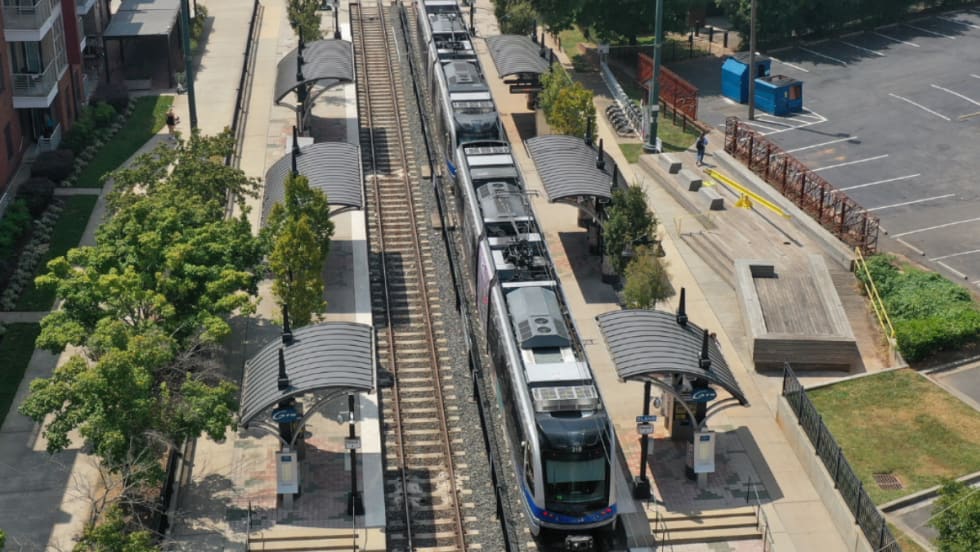
CATS FY27 Budget Prioritizes Safety, Service
New investments in security, service expansion, and rail development aim to improve the rider experience while keeping fares flat.
Read More →
Transit Agencies Nationwide Gear Up to Move World Cup Crowds
As millions of fans prepare to descend on host cities, transit leaders are turning a month-long global event into a proving ground for the future of customer experience, mobility, and crowd management.
Read More →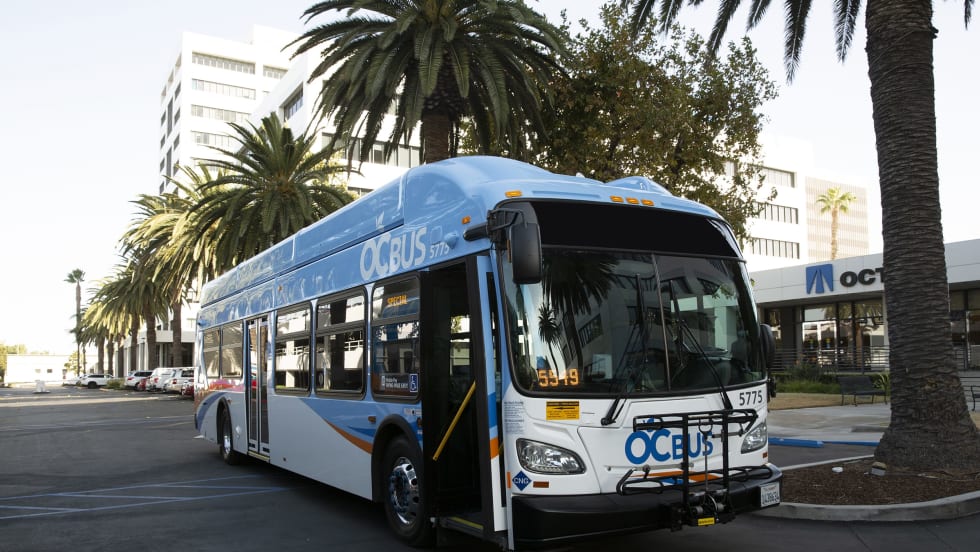
OCTA Approves $2 Billion Budget for FY 2026-27, Prioritizing Transit Investments
More than half of the agency’s upcoming spending plan is dedicated to transit as OCTA balances infrastructure investment with fiscal stability.
Read More →
Joshua Schank on Transportation Innovation, Risk, and the Future of Mobility
In this edition of METROspectives, Joshua Schank discusses lessons from launching LA Metro’s Office of Extraordinary Innovation, the challenges of advancing new mobility technologies, and much more.
Read More →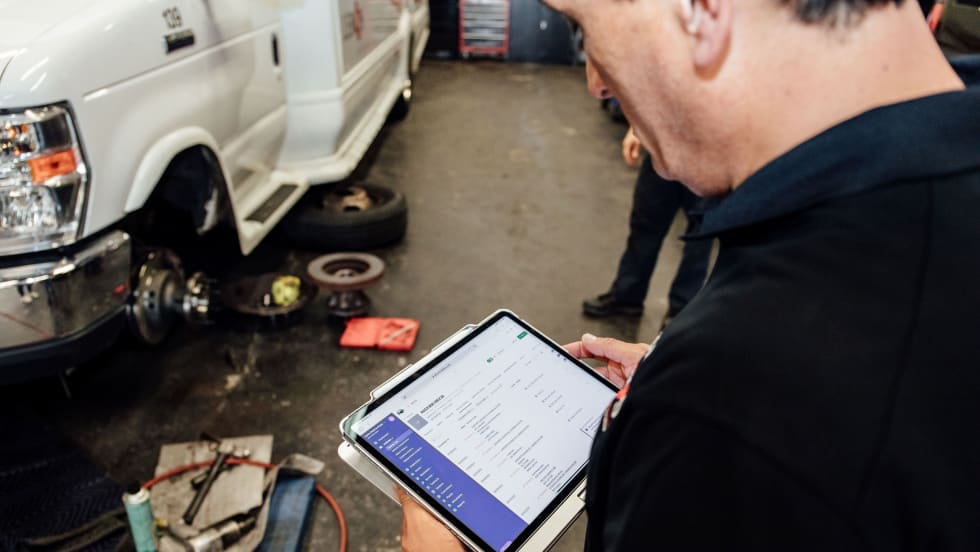
Reinventing Fleet Maintenance with Real-time Visibility and AI
Transit leaders need to know what needs fixing, where to look, who is responsible, when work is completed, and what it costs without having to chase information across disconnected systems.
Read More →
Alstom Acquires Delaware Site to Support Amtrak NextGen Acela Fleet
The company is investing more than $55 million to acquire and improve the property and will employ approximately 100 people at this site once it is operational.
Read More →
SamTrans Sets Priorities for Potential Connect Bay Area Revenue
The board-approved framework allocates future funding to maintaining service, rider improvements, equity initiatives, and infrastructure repairs.
Read More →