




More: Why Transit Agencies Are Rethinking the Farebox, and the Technology Behind It
STL Metro Transit To Launch Next-Generation Fare Collection and Security Gates
The St. Louis transit agency will begin the phased rollout of gated station access and integrated fare technology to improve security and the customer experience.
June 12, 2026
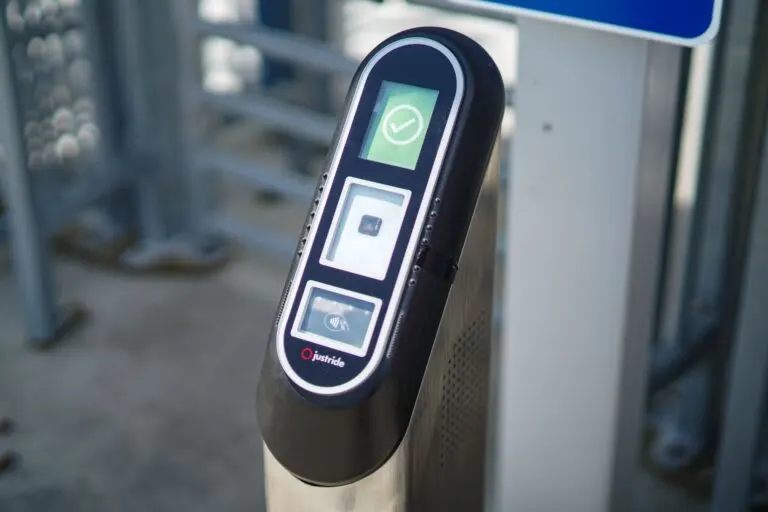
Metro Transit’s implementation highlights a growing trend among transit agencies investing in integrated fare collection and controlled station access.
Credit:
Metro Transit
2 min to read
Missouri’s Metro Transit will begin activating a new fare collection system and automated security gates at MetroLink stations on July 6, marking a significant milestone in the agency's multi-year effort to create a controlled-access rail network.
The first phase of implementation will bring integrated fare validation and automated gate access to 13 MetroLink stations across Missouri and Illinois. Riders will be able to access platforms using mobile tickets, smart fare media, or fares purchased from ticket vending machines.
The rollout is part of Metro Transit’s Secure Platform Plan, a systemwide initiative that transforms MetroLink from an open-platform operation to a gated-access environment designed to enhance security, reduce fare evasion, and improve the customer experience.
“This is more than an upgrade, it’s a transformation of how our region experiences transit,” said Taulby Roach, president and CEO of Bi-State Development. “This investment fulfills our promise to deliver a safer, more reliable, and more secure transit system for the region.”
The agency plans to complete the deployment in three phases. A second phase scheduled for July 17 will expand the system to 26 MetroLink platforms, representing approximately 91 percent of all MetroLink fare sales. The final phase is expected to begin August 17, pending delivery of the remaining ticket vending machines, with the new MidAmerica Airport MetroLink Station anticipated to come online separately later this year.
What Transit Leaders Need to Know
Metro Transit’s implementation highlights a growing trend among transit agencies investing in integrated fare collection and controlled station access as part of broader safety and security strategies.
Several key elements of the rollout may offer lessons for other agencies considering similar investments:
- Phased deployment: Metro is introducing the technology in stages to minimize operational disruptions and allow for adjustments before systemwide implementation.
- Customer support strategy: The agency will deploy ambassadors, security personnel, and support staff at activated stations to help riders adapt to the new technology and gate access procedures.
- Mobile-first fare collection: Riders are being encouraged to adopt digital fare payment through the Transit app, reflecting the industry's continued shift toward contactless and account-based fare systems.
- Security and fare enforcement integration: By combining automated gate access with modern fare technology, Metro Transit aims to strengthen security, improve fare compliance, and reduce unauthorized platform access.
As agencies nationwide evaluate investments in fare modernization, Metro Transit’s rollout provides an example of how fare collection technology can be paired with station security upgrades to support operational, customer experience, and safety objectives.
More Management

Beyond the Checklist: A Structured Approach to Transit Maintenance
Reliability-Centered Maintenance helps transit agencies move beyond routine checklists to focus limited resources on the assets and failures that have the greatest impact on safety, reliability, and service.
Read More →
APTA 2026 Nominating Committee Selects Leadership Slate, Names Chair and Vice Chair Nominees
Leadership changes will help shape the association’s priorities and its representation of the transportation industry during the 2026–2027 term.
Read More →
DART Launches Major Security, Fare Enforcement Initiative
The 90-day demonstration will deploy coordinated security teams at five light rail stations while testing controlled access and gathering data to guide future investments.
Read More →

Sponsored•September 9, 2026
Advancing Fare Collection Through Technology and Innovation
Learn about delivering 1300 gates at 91 stations while managing fare evasion. Explore the large scale deployment, solution customization and real-world results that affect the region. Prepare for deployment in your region now.
Read More →
Game Day in Motion: Moving Millions During the 2026 World Cup
Between packed transit stations and team motorcoaches, see how agencies and operators across North America tackled the transportation demands of the 2026 FIFA World Cup.
Read More →
Surface Transportation Extension Averts Shutdown, Leaves Transit Funding Gap
The stopgap keeps federal transportation programs moving, but missing advance funding could complicate the transit and rail projects agencies are planning next.
Read More →
Bus Tech Talk: Keeping Transit Technicians Ahead of the Technology Curve
LA Metro’s Obed Mejia discusses technician training, evolving maintenance technology, fleet replacement, and strategies for getting the most out of today’s transit fleets.
Read More →
Why Simulating Pedestrian Movement Has Become Essential for Modern Rail Stations
Pedestrian microsimulation is helping rail planners identify bottlenecks, test station designs, and prepare complex transit hubs for growing passenger volumes.
Read More →
People Movement: Holly Arnold Joins Transdev and More
In this edition, we also cover recent appointments and announcements at Pace, CamTran, MCI, and more, showcasing the individuals helping to shape the future of transportation.
Read More →
NITA Launches New Era of Regional Transit in Chicago
The new authority replaces the RTA and brings CTA, Metra, and Pace under a strengthened regional framework for funding, planning, fares, safety, and service coordination.
Read More →