



California's BART Approves FY27 Budget While Maintaining Service Levels
The budget covers July 1, 2026, through June 30, 2027, a period when pandemic emergency funds run out, the District faces a structural deficit of $375 million, and a regional transit funding measure may appear on the November ballot.

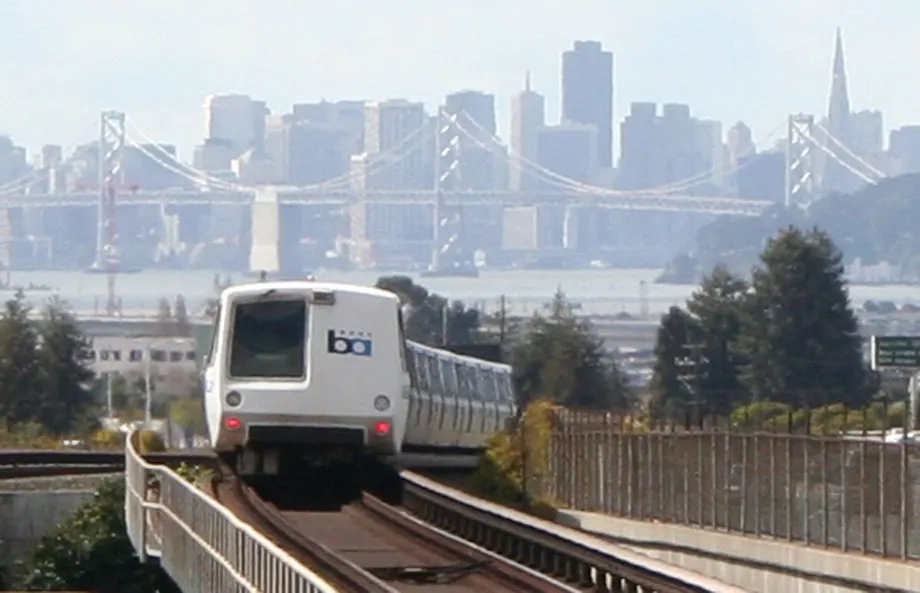
The BART board has planned for two financial scenarios, one in which new revenue becomes available, and one in which no new funds are provided to BART in FY27.
BART
- California's BART has approved its fiscal year 2027 budget, covering July 2026 to June 2027.
- The budget addresses a $375 million structural deficit as pandemic emergency funds are depleted.
- A regional transit funding measure may be proposed in the November ballot to address financial challenges.
*Summarized by AI
Oakland, California’s BART board adopted a balanced FY27 budget — $1.2B Operating and $828M Capital — for what will be a defining year in its history of providing safe and reliable transit service to the Bay Area.
The budget covers July 1, 2026, through June 30, 2027, a period when pandemic emergency funds run out, the District faces a structural deficit of $375 million, and a regional transit funding measure may appear on the November ballot.
The BART board has planned for two financial scenarios, one in which new revenue becomes available, and one in which no new funds are provided to BART in FY27. For the latter, the board has initially approved an Alternative Service Plan detailing service cuts, fare increases, and layoffs to close the $375 million deficit.
Preventing Service Cuts
The adopted budget assumes the transit funding measure will be approved and will provide BART with $74 million in new revenue during the fiscal year. Even with new sales tax proceeds from an approved funding measure, BART still needed to raise an additional $302 million to close the FY27 budget without impacting riders or cutting service, said officials.
The budget includes $18.2 million in ongoing cuts, with $7.3 million from ongoing departmental reductions and efficiencies, and the elimination of 63 full-time operating positions, saving $11 million in labor costs.
“This is a leaner budget with less spending and a smaller headcount,” said BART Board President Melissa Hernandez. “The board challenged staff to find efficiencies and reduce costs in a way that would not be experienced by the riders and would not negatively impact the improvements we have made, resulting in the highest reliability and satisfaction rates in years.”
The FY27 budget relies on $88.5 million in borrowing to prevent service cuts and bridge the funding gap until proceeds from the revenue measure become available to BART.
Ridership growth coupled with cuts, efficiencies, and better investment returns due to cash management from BART’s new Office of the Chief Financial Officer structure has generated nearly $25 million in additional revenue.
Additionally, BART said it anticipates stretching $52 million in state emergency funds into FY27. Emergency funds were originally expected to be depleted before July 2026, which has reduced the need for borrowing and deferrals to close the FY27 budget by $78 million, helping lower BART's long-term costs.
BART’s financial crisis was created because its financial model has historically relied heavily on fare dollars to fund operations, and riders are now taking fewer trips each week due to remote work, officials explained.
Factors Impacting the Budget
The budget projects average weekday ridership will exceed 200,000 trips for the first time since the pandemic, following more than 12% ridership growth in FY26.
The proposal includes no fare increase for FY27 and maintains discounted fares for seniors, youth, low-income riders, and people with disabilities.
If a proposed funding measure is approved, BART plans to maintain current service levels while implementing schedule changes designed to improve reliability, reduce wait times, and enhance transfers.
The FY27 budget also includes an $828 million capital program focused on infrastructure improvements, including train control upgrades, traction power projects, elevator and escalator modernization, network technology upgrades, track replacements, and completion of a modernized Operations Control Center.
Committing to Financial Efficiency Actions
Along with approving a new budget, the BART board voted to adopt a series of recommended early-action strategies to enhance revenue and reduce costs.
The action items are the result of an independent Bay Area Financial Efficiency Review commissioned by the Metropolitan Transportation Commission (MTC) of BART, AC Transit, Caltrain, and the San Francisco Municipal Transportation Agency (SF Muni). The third-party review was called for by Senate Bill 63, which authorized a regional transportation sales tax to be placed on the November 2026 ballot.
The action items approved by the BART Board include:
- Improve fare compliance by further optimizing BART’s new fare gates and continuing with BART’s station hardening program.
- Enhance parking revenue.
- Lease fiber and communications assets.
- Expand Clipper BayPass with more institutions and employers.
- Improve speed and reliability of service through schedule changes, such as the planned improvements in August 2026.
- Run shorter trains during lower-demand periods.
- Examine contracts for opportunities to reduce costs, such as exploring changes to BART’s lease payments to SFO.
- Study the benefits, challenges, and opportunities to expand retail amenity partnerships.
The Financial Efficiency Review found that between 2019 and 2025, BART reduced operating costs by more than $516M through service reductions, workforce controls, and operational efficiencies. The four Bay Area transit agencies included in the review saved more than $1B combined over the six years covered by the MTC review.
Quick Answers
The budget covers the period from July 1, 2026, through June 30, 2027.
*Summarized by AI
More Management

METRO Opens Submissions for 2026 Motorcoach Awards
Nominations are now being accepted for METRO Magazine’s Operator of the Year and Innovative Operator of the Year awards.
Read More →
New York MTA Advances Final Contract for Second Avenue Subway Expansion
Contract Four is the largest in the Second Avenue Subway Phase 2 project and includes construction of station infrastructure, tracks, and signals for the subway expansion, MTA officials said. Work on Contract Four will begin in 2027.
Read More →
Transit Agencies Highlight Safety Gains at National Summit
Leaders from 15 major transit systems shared crime-reduction results and safety initiatives while discussing the role of continued federal support.
Read More →

NITA Names New Leadership, Expands Reduced-Fare Program at First Board Meeting
The new regional transit authority appointed its first board chair and interim executive director while extending reduced fares across CTA, Metra, and Pace for eligible riders.
Read More →
Beyond the Checklist: A Structured Approach to Transit Maintenance
Reliability-Centered Maintenance helps transit agencies move beyond routine checklists to focus limited resources on the assets and failures that have the greatest impact on safety, reliability, and service.
Read More →
APTA 2026 Nominating Committee Selects Leadership Slate, Names Chair and Vice Chair Nominees
Leadership changes will help shape the association’s priorities and its representation of the transportation industry during the 2026–2027 term.
Read More →
DART Launches Major Security, Fare Enforcement Initiative
The 90-day demonstration will deploy coordinated security teams at five light rail stations while testing controlled access and gathering data to guide future investments.
Read More →
Advancing Fare Collection Through Technology and Innovation
Learn about delivering 1300 gates at 91 stations while managing fare evasion. Explore the large scale deployment, solution customization and real-world results that affect the region. Prepare for deployment in your region now.
Read More →
Game Day in Motion: Moving Millions During the 2026 World Cup
Between packed transit stations and team motorcoaches, see how agencies and operators across North America tackled the transportation demands of the 2026 FIFA World Cup.
Read More →
Surface Transportation Extension Averts Shutdown, Leaves Transit Funding Gap
The stopgap keeps federal transportation programs moving, but missing advance funding could complicate the transit and rail projects agencies are planning next.
Read More →