211 is a confidential, non-judgmental helpline available 24/7 to individuals who don’t know where to turn in their time of need.
2 min to read
211 is a confidential, non-judgmental helpline available 24/7 to individuals who don’t know where to turn in their time of need.
The South Florida Regional Transportation Authority is again partnering with 211 helpline and crisis lines throughout the region with the goal of saving lives with increased suicide prevention awareness. Last year’s collaboration consisted of strategic placement of signage along the South Florida Rail Corridor with a message to call 2-1-1 for help.
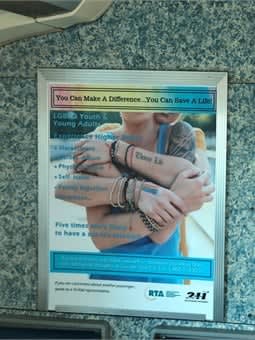
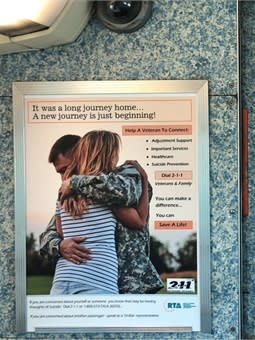
This year’s effort involves placement of posters onboard Tri-Rail trains, so the general public can possibly recognize signs that may indicate someone is in need of help and to become more aware of 211 as an important resource.
Ad Loading...
"If you are concerned for yourself or loved ones don’t hesitate to call for help. If you are concerned about a fellow passenger, please alert our staff so they contact our security personnel, who are trained to assist in these matters," said SFRTA Executive Director Steven L. Abrams.
About 211 211 is a national non-profit, with local organizations serving the state of Florida to include Palm Beach, Broward and Miami-Dade Counties.
211 is a confidential, non-judgmental helpline available 24/7 to individuals who don’t know where to turn in their time of need.
211 is the “gateway” to health, human service and governmental organizations in the community and can be accessed by simply dialing 2-1-1.
September marks the start of National Suicide Prevention Week with September 10th spotlighting World Suicide Prevention Day. This campaign is spearheaded by the American Association of Suicidology (AAS), and is a collaborative effort by many agencies nationwide to help increase awareness about suicide prevention. The AAS reports that suicide is the 10th leading cause of death in the U.S, and the 2nd leading cause of death for teens and young adults.
“We recognize the importance of community and 211 is here to help. It is important for individuals and families to get the word out that 211 is available any time of day and night for mental health resources and other helpful services,” said Patrice Schroeder, Community Relations for 211 HelpLine. She adds, “We are in this together, and anyone can help save a life!”
Crisis intervention can be reached 24/7 by dialing 2-1-1, or the National Suicide Prevention Lifeline (1-800-273-TALK).
Sample suicide awareness/prevention poster being placed on SFRTA trains.
The 90-day demonstration will deploy coordinated security teams at five light rail stations while testing controlled access and gathering data to guide future investments.
The app expands on RTD’s existing NextRide web application and allows customers to view real-time vehicle locations and service alerts, purchase and store digital fares, and access customer support.
The revamped program addresses 26 OSHA standards for maintenance facilities, with TAPTCO pointing to training, documentation, and everyday shop hazards as continuing challenges for transit operations.
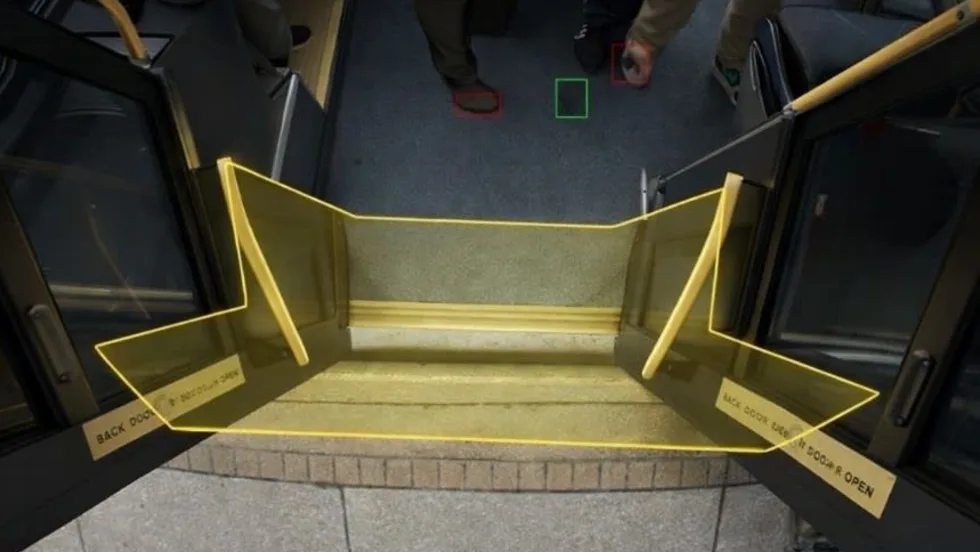
Wabtec engineers explain how the system improves doorway detection, strengthens diagnostics and gives transit agencies and OEMs greater operating flexibility.
The award-winning partnership combines AI-powered detection with human oversight to improve bus reliability, accessibility, and enforcement efficiency.
The agency's latest homelessness count offers new data on how care-based services and cross-sector partnerships can complement traditional transit security strategies.
The online dashboard transforms National Transit Database information into a public-facing resource that allows users to compare transit agencies on key operational and safety metrics.