RTC Bike Share is an easy way for residents and tourists to ride to and from the many attractions, restaurants, bars and shops
1 min to read
RTC Bike Share is an easy way for residents and tourists to ride to and from the many attractions, restaurants, bars and shops
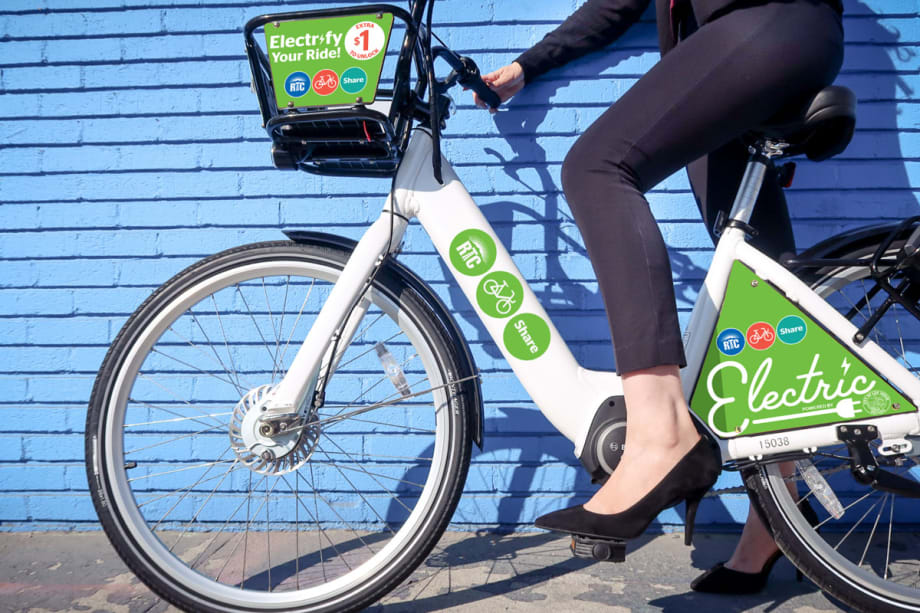
Following a successful electric bike pilot in March, the Regional Transportation Commission of Southern Nevada (RTC) is permanently adding 20 electric peddle-assist bikes to the existing RTC Bike Share program in downtown Las Vegas.
With speeds of up to 17 mph, the electric bikes will allow riders to overcome elevation obstacles and make commutes quicker.
“Adding electric bikes was a clear next step to expanding our successful bike-share program and responding to customer demands,” said RTC CEO Tina Quigley who noted that riders preferred using the RTC electric bikes eight times more than classic bikes during the March trial run.
The new electric bikes allow riders to transport across Las Vegas with ease.
The bikes can be rented at any of the 21 bike-share locations in downtown Las Vegas. Users are able to locate them in advance on the RTC Bike Share website map or the BCycle app with a lightning bolt symbol indicator at each station.
The electric bikes cost an additional $1 per checkout with the purchase of any three pass options. They start at 24 hours for $5, three days for $10, and monthly passes available online for $15.
The City of Las Vegas funded the addition of the 20 electric bikes. RTC was launched in 2016 and allows riders to connect to numerous RTC transit lines through the Bonneville Transit Center in downtown Las Vegas.
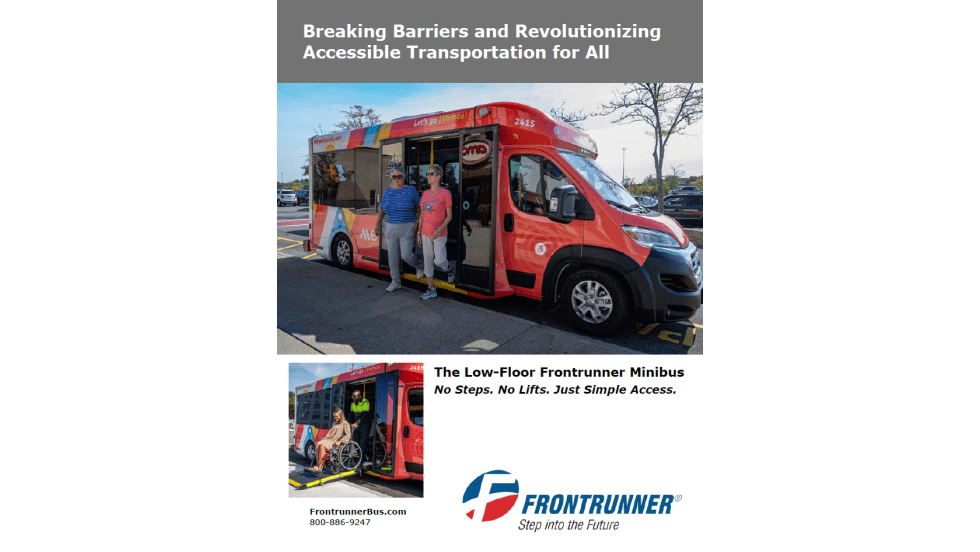
Accessible transit isn’t a feature—it’s a responsibility. This whitepaper explores how the Low-Floor Frontrunner is redefining mobility with a breakthrough design that removes barriers, empowers riders, and delivers measurable operational advantages for agencies. Discover why this next generation minibus is setting a new standard for inclusive transportation.
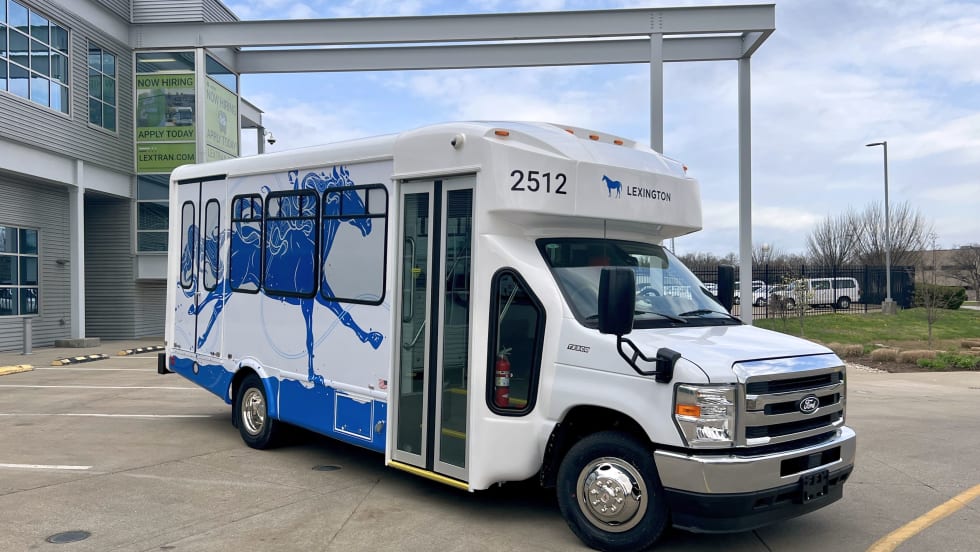
LexRide connects key destinations, including Downtown Lexington, the Distillery District, and the Warehouse Block/National Avenue area, making it easier to explore without worrying about parking, traffic, or multiple rideshare trips.
Sustainability Partners’ Arnold Albiar discusses how a service-based approach is helping airports and public agencies deploy and manage electric fleets more efficiently.
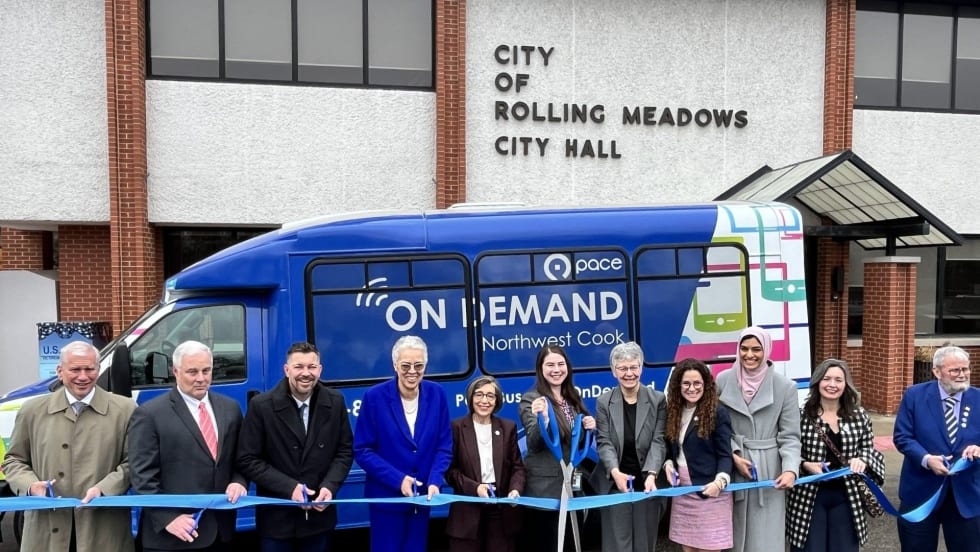
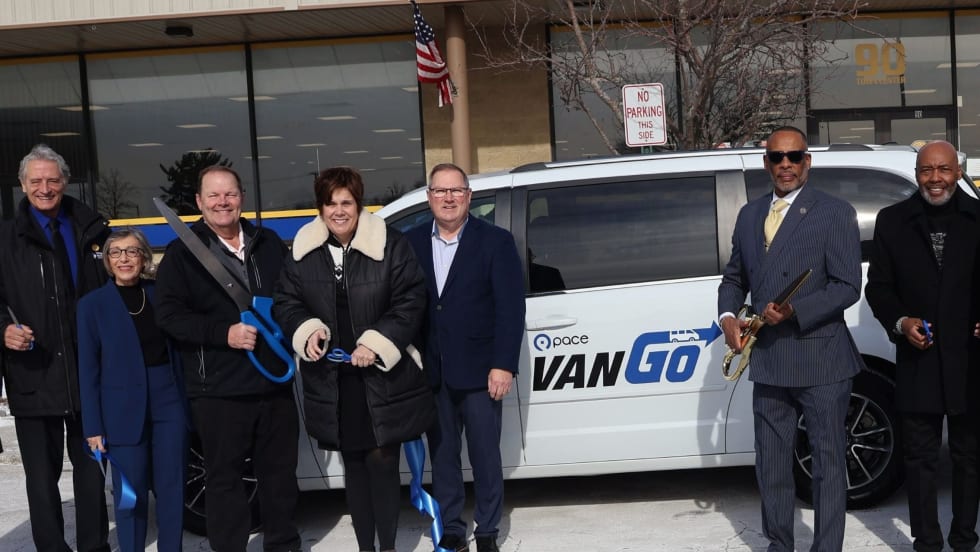
The expanded service builds on Pace’s growing On Demand network and is intended to improve access to destinations such as medical appointments, schools, shopping, employment centers and connections to the regional transit system.
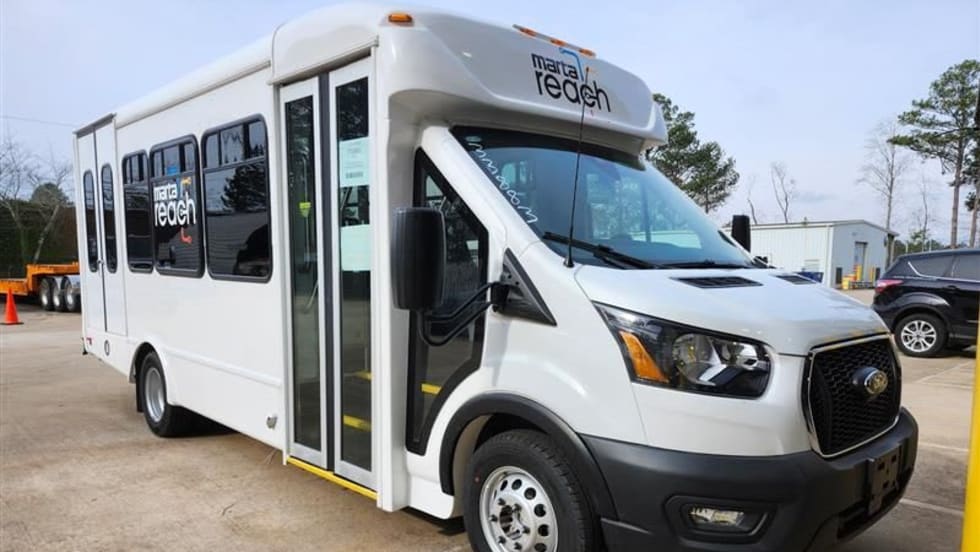
An important part of the authority’s NextGen Bus Network, MARTA Reach will bring transit service directly to the rider’s location and offer a seamless link to the broader rail and bus system.
In this edition, we cover recent appointments and announcements at HDR, NCTD, STV, and more, showcasing the individuals helping to shape the future of transportation.
The service is a flexible, reservation-based transit service designed to close the first- and last-mile gaps and connect riders to employment for just $5 per day.