




RELATED: NTSB finds city, freight operator to blame for fatal crash
Failure to control vehicle, impairment to blame for Texas bus crash
The deadly crash occurred when a pick-up truck driver crossed a double, solid-yellow centerline, entered the southbound lane, and collided with a bus carrying 13 passengers.
October 18, 2018

This photo taken March 29, 2017, depicts the final resting position of the pick-up truck and
13-passenger bus involved in the fatal crash near Concan, Texas.
Photo courtesy of Texas Highway Patrol
3 min to read

This photo taken March 29, 2017, depicts the final resting position of the pick-up truck and
13-passenger bus involved in the fatal crash near Concan, Texas.
Photo courtesy of Texas Highway Patrol
The National Transportation Safety Board (NTSB) determined that the March 2017 crash near Concan, Texas was caused by a 20-year-old driver’s failure to control his vehicle due to his use of marijuana in combination with his misuse of a prescription medication.
The deadly crash occurred when a pick-up truck driver traveling northbound on U.S. Highway 83 crossed the double, solid-yellow centerline, entered the southbound lane, and collided with a bus carrying 13 passengers. The truck driver was observed by witnesses driving erratically for more than 15 minutes prior to the collision. The bus driver and 12 of the 13 passengers were killed. The truck driver and one of the bus passengers suffered serious injuries.
The bus was not equipped with passenger lap/shoulder belts, which would have provided a greater level of protection and mitigated injuries for passengers seated in the rear of the bus, according to the NTSB’s findings.
The post-crash inspection of the pick-up truck’s cab revealed unsmoked and partially smoked marijuana cigarettes, drug paraphernalia, and prescription and over-the-counter medication. Among the drugs identified in the pick-up truck driver’s post-crash toxicology test were Delta-9-THC, a primary active chemical in marijuana, and clonazepam, a sedative used to treat seizure and panic disorders. The driver stated he took twice his prescribed dosage of clonazepam prior to the crash.
The report also noted the prevalence of illicit, prescription, and over-the-counter drug use among drivers is increasing. The NTSB determined national leadership is needed to help identify science-based countermeasures that can be implemented at the state and local levels to prevent future similar tragedies.
“The pick-up truck driver in this crash made terrible choices with tragic consequences,” said NTSB Chairman Robert L. Sumwalt. “But, the rising tide of drug-impaired driving did not begin with this driver, and it will not end with him. Law enforcement needs additional tools and advanced training to detect impaired drivers before they crash, regardless of the impairing drug they’re using.”
The NTSB also determined the state of Texas needs increased safety-focused leadership, additional resources, and data-driven strategies to prevent future impaired driving crashes and fatalities. Additionally, to better understand the extent of the drug-impaired driving problem, the NTSB called on the National Highway Traffic Safety Administration (NHTSA) to develop a common standard of drug toxicology testing.
As a result of this investigation the NTSB issued three recommendations to NHTSA, including a recommendation to develop and disseminate best practices and model specifications for oral fluid drug screening devices that can be used by law enforcement during roadside stops.
The NTSB also recommended the Texas Department of Transportation promote the importance of attending drug-impaired driver enforcement training and increase training sessions to meet the demands of local and state law enforcement.
Recommendations were also issued to medium-size bus and seat manufacturers to install lap/shoulder belts as standard, rather than optional, equipment on buses.
The abstract for this report is available here.
More Security and Safety

Transit Agencies Highlight Safety Gains at National Summit
Leaders from 15 major transit systems shared crime-reduction results and safety initiatives while discussing the role of continued federal support.
Read More →
DART Launches Major Security, Fare Enforcement Initiative
The 90-day demonstration will deploy coordinated security teams at five light rail stations while testing controlled access and gathering data to guide future investments.
Read More →
RTD Launches NextRide App to Consolidate Trip Planning, Fares, Security Reporting
The app expands on RTD’s existing NextRide web application and allows customers to view real-time vehicle locations and service alerts, purchase and store digital fares, and access customer support.
Read More →

TAPTCO Updates OSHA Compliance Training for Transit Maintenance Operations
The revamped program addresses 26 OSHA standards for maintenance facilities, with TAPTCO pointing to training, documentation, and everyday shop hazards as continuing challenges for transit operations.
Read More →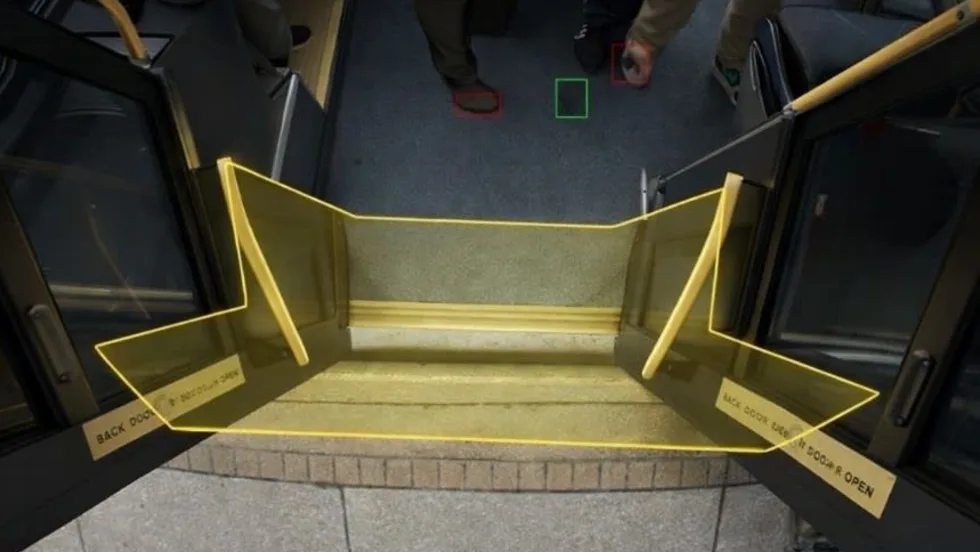
Sponsored•August 18, 2026
How VaporVision Adds Value to Transit Door Systems
Wabtec engineers explain how the system improves doorway detection, strengthens diagnostics and gives transit agencies and OEMs greater operating flexibility.
Read More →
FRA Announces $5.3B in Rail Investments, Including $2B for Amtrak
Funding will support grade-crossing improvements, infrastructure upgrades, and new Amtrak equipment in 23 states.
Read More →
Chicago, Maryland Expand Non-Law-Enforcement Safety, Rider Support
The CTA and MTA are launching new programs aimed at de-escalation, crisis response, rider assistance, and greater transparency.
Read More →
LA Metro, City of West Hollywood, and Partners Advance Smarter Bus Lane Enforcement
The award-winning partnership combines AI-powered detection with human oversight to improve bus reliability, accessibility, and enforcement efficiency.
Read More →
LA Metro Reports 57% Decline in Homelessness on Transit System Since 2024
The agency's latest homelessness count offers new data on how care-based services and cross-sector partnerships can complement traditional transit security strategies.
Read More →
FTA Launches 'Transit Moves America' Dashboard to Highlight Agency Safety and Performance
The online dashboard transforms National Transit Database information into a public-facing resource that allows users to compare transit agencies on key operational and safety metrics.
Read More →