



LIRR completes rail crossing safety initiative five months ahead of schedule
Over the past three months, LIRR engineering crews worked to implement this important safety initiative well ahead of schedule.


MTA Long Island Rail Road announced the completion of its visible railroad crossing safety initiative, as LIRR engineers installed safety enhancements all 296 railroad crossings system-wide — five months ahead of schedule.
In May, as part of his LIRR Forward initiative, LIRR President Phillip Eng announced an accelerated plan to install flexible, four-feet high reflective delineators as well as extended roadway markings and additional reflective devices to better alert drivers, who may become confused by GPS directions while driving in darkness or inclement weather, that they should not make a turn onto the tracks. At the time, Eng announced that this effort was scheduled to be complete at all 296 grade crossings throughout the LIRR system by the end of this year.
Over the past three months, LIRR engineering crews worked to implement this important safety initiative well ahead of schedule, and successfully installed the safety enhancements at the last crossing at Hortons Lane in Southold toward the end of July.
To further the railroad’s crossing safety efforts, the LIRR in June announced its groundbreaking partnership with the GPS navigation app Waze, with a first-ever feature of its kind to debut on the app that alerts motorists using it that they are approaching a LIRR railroad crossing. This initiative was launched using Waze's Connected Citizens Program — a free, two-way data share of publicly available traffic information. Metro-North has also since announced its own similar partnership with Waze.
These efforts came after an aggressive review of railroad crossing incidents and potential safety enhancements by the MTA. The delineator project and Waze program were developed as the railroad began to see vehicles on tracks as a growing problem as distracted or confused motorists, some using GPS devices, inadvertently turn onto tracks instead of parallel roadways.
To date, incident data provides evidence that the initiative is having a positive impact. In 2017, the LIRR recorded 29 reports of cars on tracks, in addition to 17 grade crossing accidents involving the LIRR and motor vehicles. Through May 22 of this year, there were two grade crossing accidents and 21 reports of cars on tracks.
Since this accelerated effort began in May, the LIRR has recorded only three incidents of vehicles-on-tracks. In the first two, there were no delineators installed at those locations. In the third incident, a motorist at Tuckahoe Road Crossing in Southampton experienced a medical emergency, which inadvertently caused the car to enter the railroad's right-of-way.
More Security and Safety
Building the Next Generation of Transit Technology
In this edition of METROspectives, Luminator CEO Magnus Friberg discusses the company's transformation, the growing role of AI and software, and what's next for transit technology.
Read More →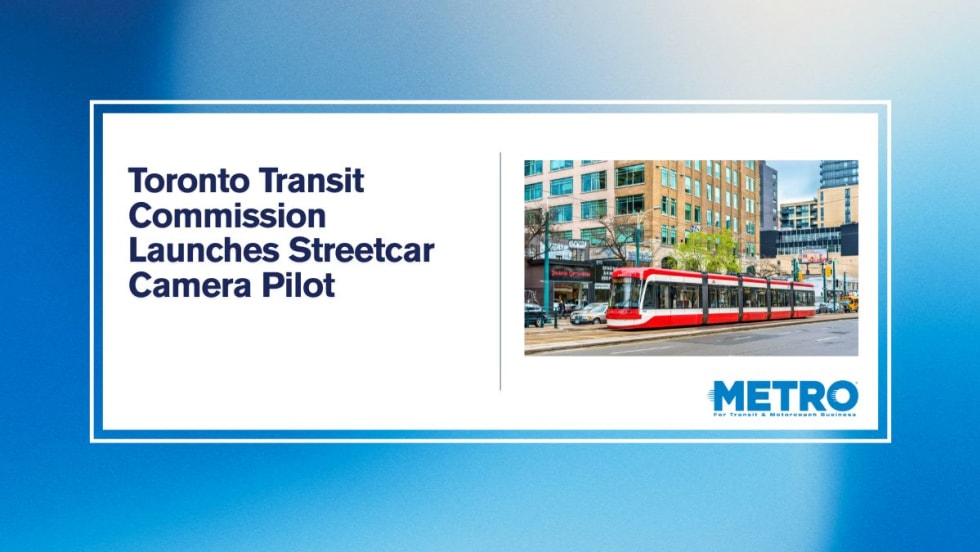
TTC Launches Camera Pilot to Curb Illegal Passing of Streetcars
During the pilot, the cameras will measure how often illegal streetcar passing occurs and test the technology's reliability for future automated enforcement.
Read More →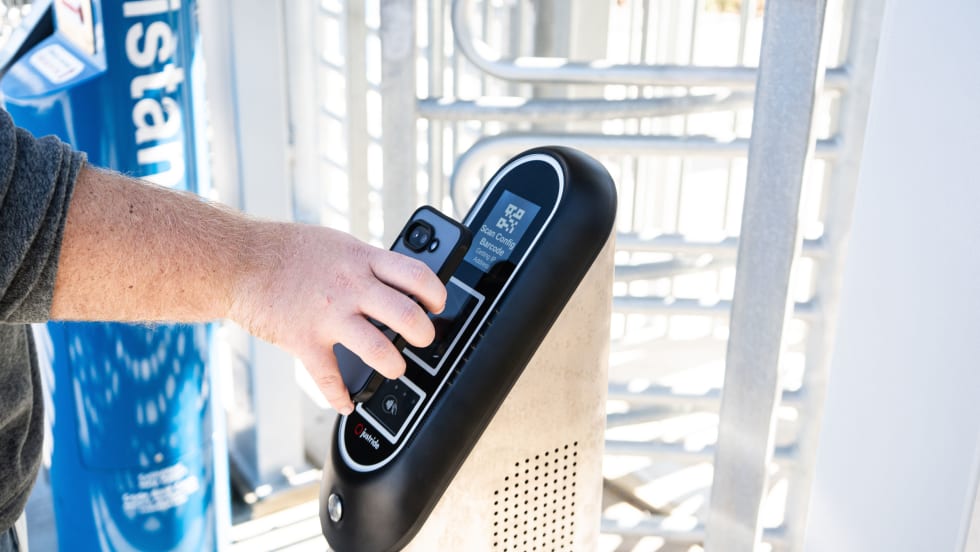
Biz Briefs: Masabi Teams with St. Louis Metro and More
In METRO's latest installment, we take a look at recent news from Transdev, Hitachi, and more partnerships making headlines across the transportation sector.
Read More →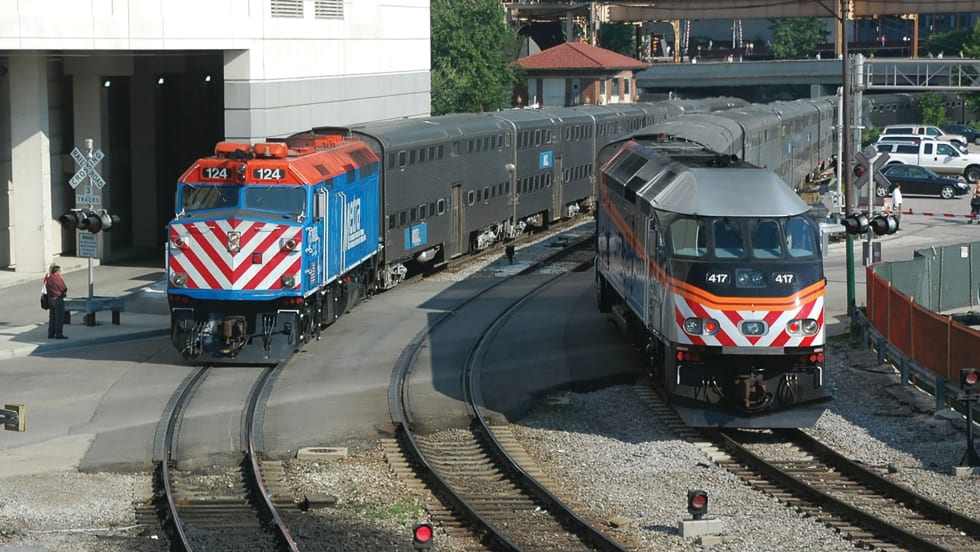
Metra Begins Drone Pilot Project to Boost Safety and Security
The project is funded through a $620,000 grant from FEMA’s Transit Security Grant Program, which provides transit agencies with funding for projects intended to protect critical transportation infrastructure and the traveling public.
Read More →
Building the Next Generation of Transit Technology
In this edition of METROspectives, Luminator CEO Magnus Friberg discusses the company's transformation, the growing role of AI and software, and what's next for transit technology.
Read More →
APTA Recognizes Excellence in Rail Safety and Security at 2026 Rail Conference
Nominations are evaluated on four criteria: effectiveness, benefit level, innovation, and transferability.
Read More →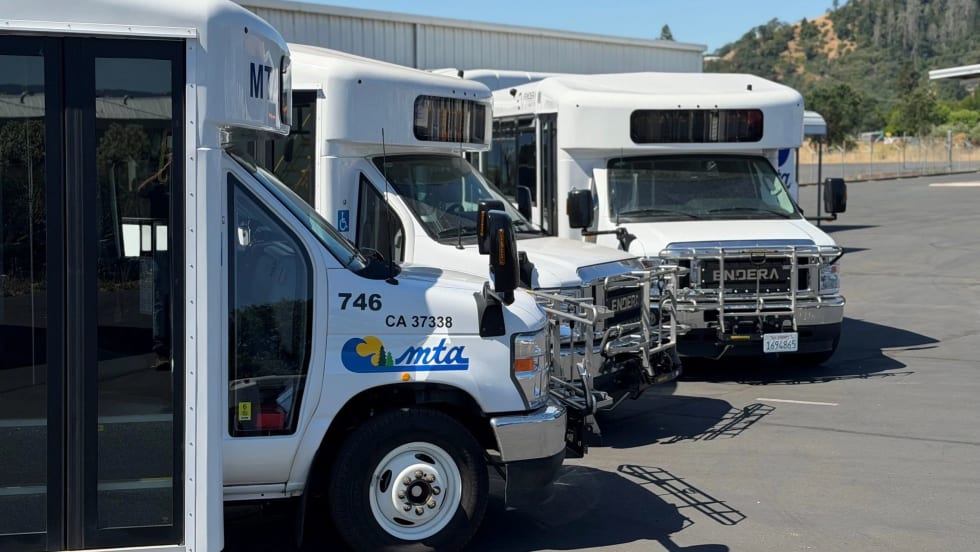
Biz Briefs: Endera Delivers to California, Safety Vision Teams with San Antonio's VIA, and More
From manufacturers and suppliers to transit agencies and motorcoach operators, these updates offer a snapshot of the projects, partnerships and business moves driving the industry forward.
Read More →
The Role of AI in Public Safety for Smart Transit Systems
As transit systems generate more data than ever, AI-powered safety tools are helping agencies detect incidents faster, improve response times and enhance situational awareness.
Read More →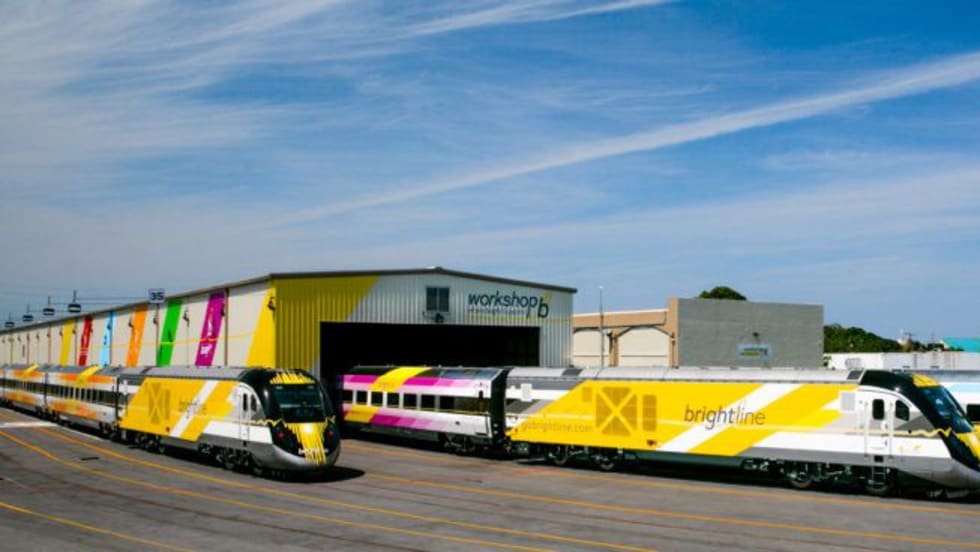
DOT: Brightline Corridor Incidents Fall 30% Following Federal Safety Upgrades
Safety improvements funded through a $25 million federal investment are credited with reducing trespassing and train-vehicle collisions along the Brightline Florida corridor.
Read More →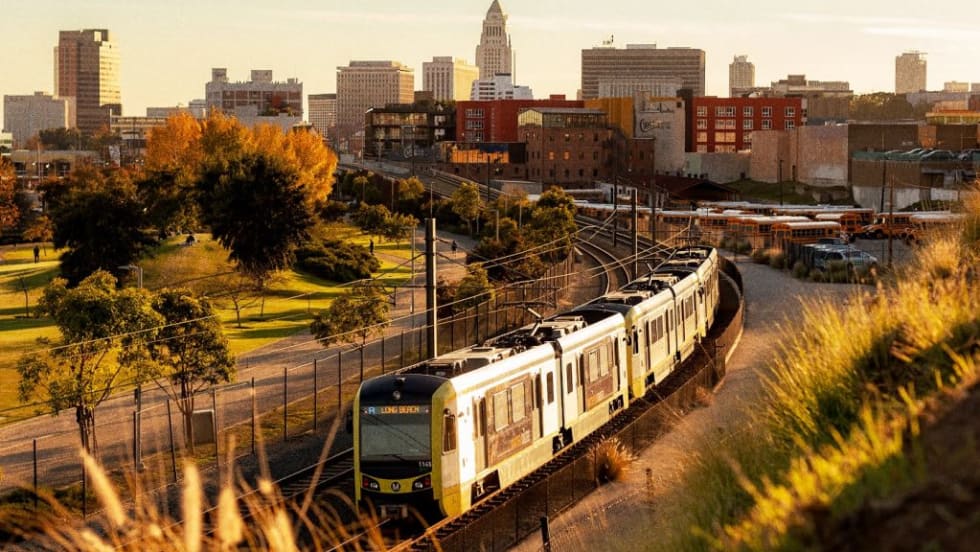
LA Metro Sworn Officer Recruitment Draws 950 Applications on First Day
The California agency moves safety into its next phase, recruiting officers to help shape a transit-focused, community-centered force.
Read More →