



Nashville MTA now WeGo Public Transit after rebrand
The new image is part of a process that started with the adoption of the nMotion plan in 2016.

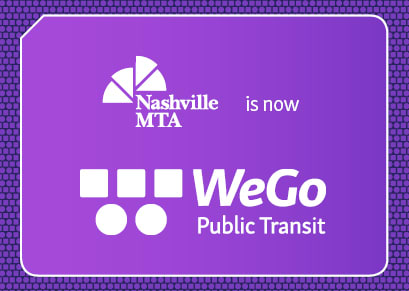
Nashville MTA is now WeGo Public Transit and is reaffirming its commitment to connecting people “to their lives and their communities.”
The new image is part of a process that started with the adoption of the nMotion plan in 2016, and included extensive interviews and focus group testing of current riders, prospective riders, residents, businesses, and community leader in Nashville, all of whom are affected by the ever-growing mobility concerns in a rapidly growing city.
It is just one part of our continuing efforts to improve public transit in Nashville as laid out in the nMotion plan, which includes a number of service enhancements, as well as improvements to the customer experience.
WeGo is already making strides to become an embraced part of Nashville by being a friendly, sustainable, reliable, and trusted partner, with a goal to inspire connectivity one ride and one neighborhood at a time, according to a press release.
“Not getting bigger is no excuse for not getting better,” said WeGo CEO Steve Bland. “Nashville is growing, developing, and embracing new technologies, and is lightyears from the city it was when MTA began in 1973. Right now presents an incredible opportunity for us to rejuvenate our brand so everyone working in, living in, and visiting Nashville can look at us differently because we want to transit differently.”
Thanks to past Metro Nashville budgets, WeGo was able to place an order to replace 20% of its fleet this summer, providing much needed improvements to service reliability. These new vehicles — 31 buses and 19 vans — presented a unique opportunity to refresh the system’s look and feel, while reducing future repainting costs. The arrival of these new buses will also allow WeGo to resume normal service after the short-term service adjustments announced in late June due to vehicle shortages.
Additional service improvements include renovations, a more convenient fare payment system, updated bus routes and streamlined services, bus shelter renovations and additions, Wi-Fi access on select buses, updated route tracking services, and more.
More Management
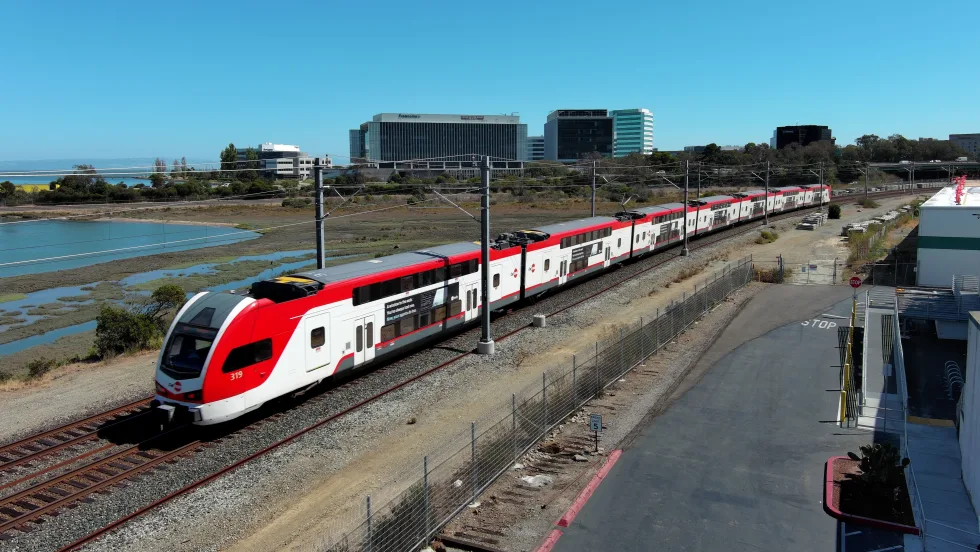
Caltrain’s Electrification Drives a New Era of Ridership Growth
The railroad’s shift to electric service has brought more frequent trains, stronger customer satisfaction, and increased ridership, earning it APTA’s Outstanding Public Transportation System award.
Read More →
Chicago, Charlotte Transit Agencies Expand Rider Support Programs
CTA launched crisis intervention teams as CATS prepares to deploy fare ambassadors, expanding customer assistance and security efforts across both systems.
Read More →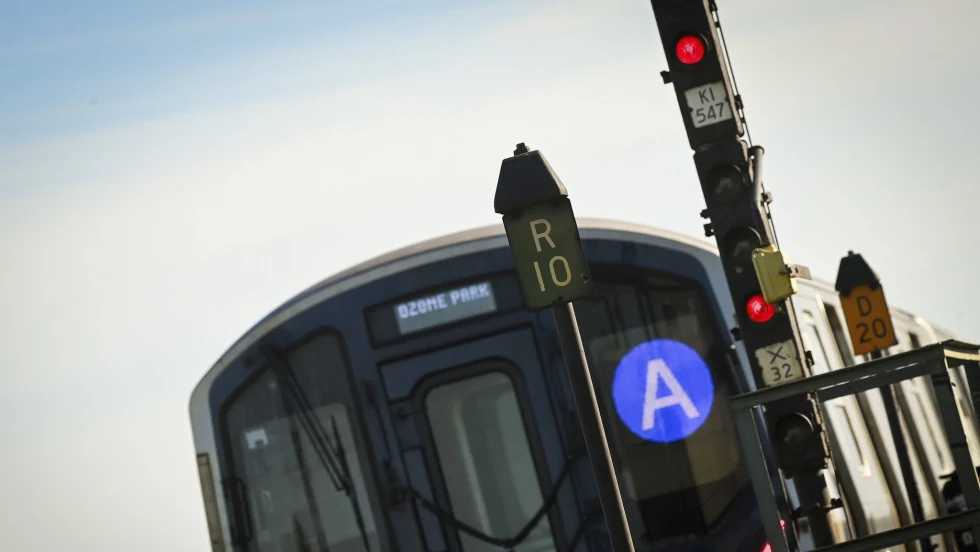
New York MTA Launches Historic $1.9B Signal, Track Modernization Project
Funded in part by congestion pricing revenue, the project will replace nearly century-old signals along the A and C lines in Brooklyn and Queens.
Read More →
Brian Dickson on Building Stronger, More Resilient Transportation Organizations
Bus Business Consultants Founder Brian Dickson discusses the leadership principles, operational discipline, and strategic planning that separate transportation companies positioned for long-term success from those stuck in survival mode.
Read More →
LA Metro Breaks Ground on Vermont BRT Project
The 12.4-mile corridor is projected to serve 66,200 daily riders, reduce travel times by up to 24%, and create the nation's busiest bus rapid transit corridor.
Read More →
Building Stronger Leaders, More Resilient Transit Teams
Dr. Carol Parker Walsh discusses leadership development, employee retention, workplace culture, and preparing transit’s workforce for AI and automation.
Read More →
Roman Cornell on ABC Companies’ Evolution and the Future of Passenger Transportation
The company’s CEO discusses carrying forward a third-generation family legacy, ABC’s continued evolution in passenger transportation, support for increasingly complex fleets, and how technology and continued investment could help operators improve uptime.
Read More →
CATS Launches West Charlotte Microtransit Zone, Expands Transit Services
The new microtransit zone connects residents to key destinations as Charlotte Area Transit System rolls out the first phase of its 2055 Transit System Plan.
Read More →
VIA Bus Ridership Grows 10.1% Through August 2026
San Antonio's VIA Metropolitan Transit reported the highest bus ridership growth among major Texas transit systems. Federal Transit Administration data ranked it second among the nation's 50 largest transit systems.
Read More →
CSA Group Releases Climate Resilience Standard for Transit, Passenger Rail
Developed with support from the Standards Council of Canada, CSA D700 guides assessing climate-related risks and planning adaptation measures for transit and passenger rail systems.
Read More →