




Keep Reading: House Committee Advances 'Dalilah’s Law' to Strengthen CDL Safety Standards
New Bill Aims to Strengthen America’s Transit Workforce
Legislation would expand funding for training, apprenticeships, and workforce development as agencies face staffing shortages and evolving technology demands.
April 22, 2026
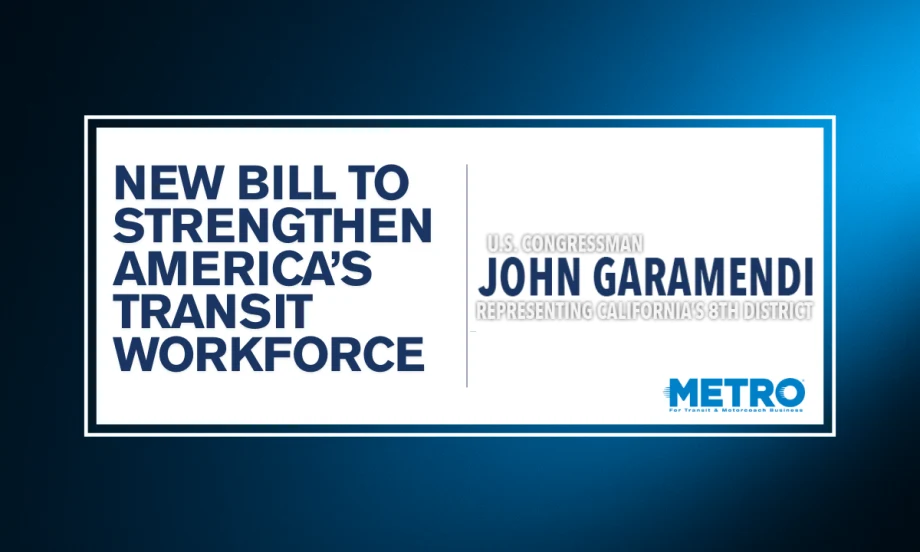
The Transit Workforce Development Act amends federal transit law to allow a greater portion of existing bus and bus facility grants to be used for workforce development.
Credit:
METRO
3 min to read
- New legislation seeks to enhance funding for transit workforce training and development.
- The bill addresses staffing shortages in transit agencies by promoting apprenticeships.
- It aims to meet the demands of evolving technology within the transit sector.
*Summarized by AI
In April, Congressman John Garamendi (CA-08), a senior member of the House Transportation & Infrastructure Committee, joined Congresswoman Frederica S. Wilson (FL-24) to introduce the Transit Workforce Development Act, a bill to “expand workforce training and strengthen the pipeline of skilled workers needed to support the nation’s public transportation systems.”
The bill amends federal transit law to allow a greater portion of existing bus and bus facility grants to be used for workforce development, including training programs, registered apprenticeships, and labor-management partnerships.
“For too long, our federal transit programs have treated workforce development as an afterthought when in reality, transit workers are the backbone of the system,” Rep. Garamendi said. “This legislation will help transit agencies build up a highly skilled workforce to operate and maintain the next generation of transit. I’m grateful for Rep. Wilson’s leadership on this issue.”
“Our transit systems cannot run without the people who power them,” said Rep. Frederica S. Wilson. “We are facing a workforce crisis. Experienced workers are retiring, technology is rapidly changing the job, and too many agencies do not have the resources to train the next generation. This bill is about investing in people, creating real career pathways, and making sure our transit workforce is ready for the future.”
Transit Workforce Gap Widens as Technology Advances
According to a release, public transportation agencies across the country are confronting significant workforce shortages, compounded by rapid technological changes such as the transition to zero-emission buses. These advancements require new technical skills, including expertise in high-voltage systems, electronic diagnostics, and advanced safety procedures. However, current training programs remain limited and underfunded.
“Today’s transit buses are way different under the hood compared to twenty or even ten years ago,” said John Costa, president of Amalgamated Transit Union International. “Battery electric buses require a different set of skills to not only repair and maintain, but to operate. Our union has been a leader in developing transit workforce development programs to train our members with the skills and knowledge to have successful careers in public transit. We commend Representative Wilson and the other 19 Members of the House Transportation and Infrastructure Committee for introducing the Transit Workforce Development Act. It is long overdue!”
"Public transit is a service that so many working families rely on, and it is crucial that we are investing in the workforce training needed to keep these systems safe and reliable as transit vehicle technology advances,” said Greg Regan, president of the Transportation Trades Department, AFL-CIO. “TTD strongly supports the Transit Workforce Development Act because it will help to solve some of the current challenges facing transit systems, and promote job quality, retention, and recruitment in the industry."
The Transit Workforce Development Act addresses these challenges by:
- Increasing the workforce development set-aside from 5% to 10% under the Low or No Emission Bus Program.
- Allowing up to 10% of bus and bus facility grant funds to be used for workforce training.
- Expanding training eligibility across all federal bus programs under 49 U.S.C. §5339.
- Supporting registered apprenticeships and labor-management training partnerships.
The legislation has been referred to the House Committee on Transportation and Infrastructure.
More Management
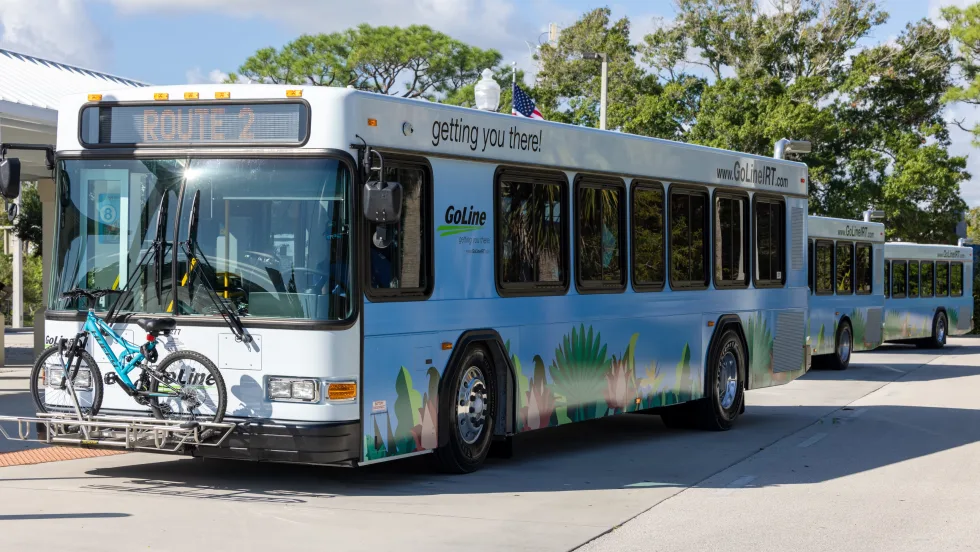
Indian River Transit’s Community-Focused Approach Earns National Recognition
Named APTA’s 2026 Outstanding Public Transportation System in its size category, Florida’s Indian River County transit system continues to grow ridership through fare-free service and a focus on evolving community needs.
Read More →
ENC Lands MATA Contract and More in Biz Briefs
In this edition of Biz Briefs, we spotlight the latest developments shaping the future of mobility.
Read More →
From Surviving to Thriving: Building Stronger Transportation Organizations
Bus Business Consultants founder Brian Dickson shares lessons on leadership, organizational health, and creating options for long-term success in a changing transportation industry.
Read More →
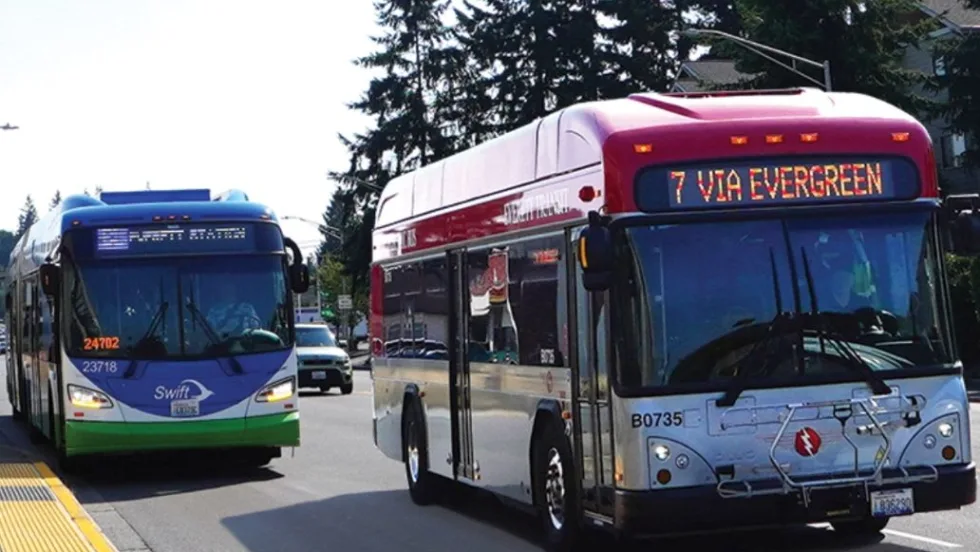
Everett Transit, Community Transit Outline Consolidation Agreement
The proposed agreement calls for a 50% increase in bus service in Everett, a new microtransit zone, continued paratransit service, and the transfer of Everett Transit operations to Community Transit.
Read More →
Strada360’s Steve Lassey on Turning Transit Data Into Better Decisions
From breaking down data silos to preparing for AI, Strada360 CEO Steve Lassey discusses how transit agencies can use technology to improve operations, customer information, and long-term decision-making.
Read More →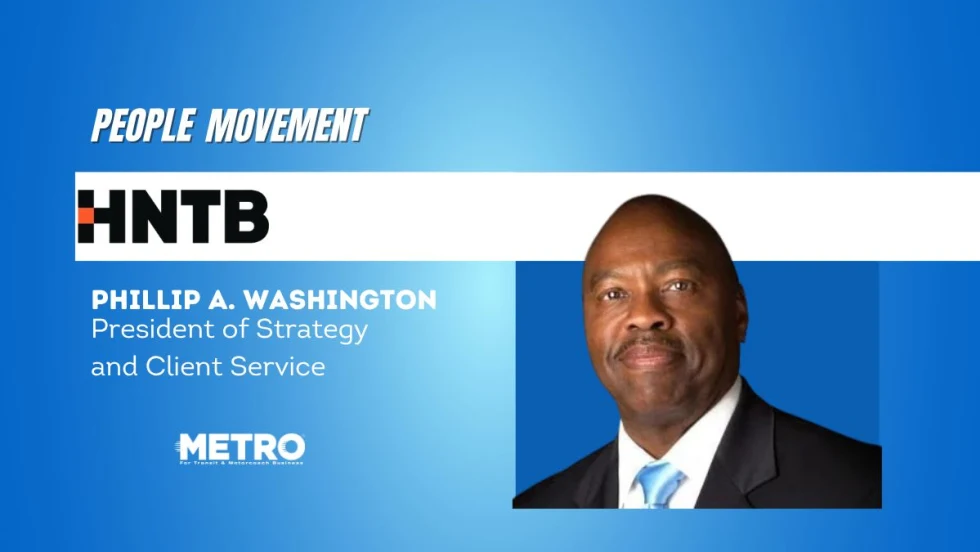
People Movement: Phil Washington Joins HNTB, Denver RTD Launches CEO Search, and More
In this edition, we also spotlight recent personnel moves at STV, the Eno Center for Transportation, and more, highlighting the people taking on new roles across the transportation industry.
Read More →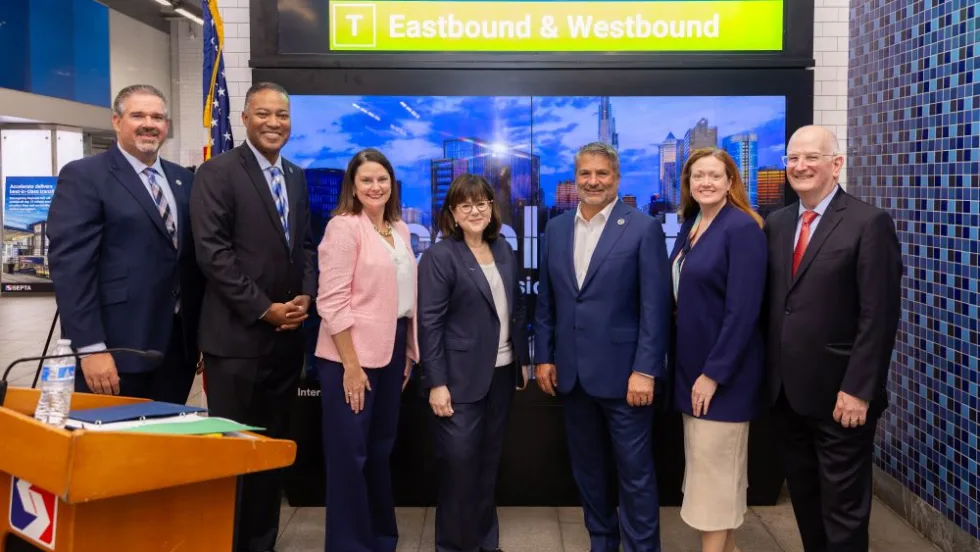
SEPTA Details Accelerate Vision for Transit System
The plan outlines investments in trolley modernization, new Metro and Regional Rail vehicles, accessible stations, and more frequent bus and rail service.
Read More →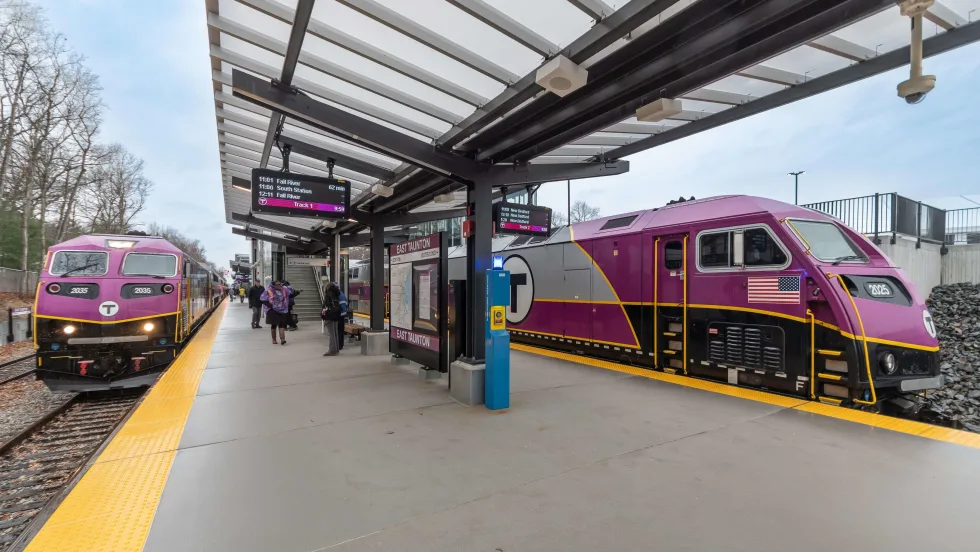
FTA Ends Direct Oversight of MBTA Safety Actions
The federal agency closed its remaining special directive to the Massachusetts Department of Public Utilities following a safety review that began in 2022.
Read More →
Report: Transit Bus Manufacturing Supports 34,100 Jobs, $5.1B in GDP
The “Buses Mean Business” report examines the transit bus manufacturing industry’s economic footprint, supply chain, and rising demand for vehicle replacements.
Read More →
LIT Marks 10-Year Milestone at Annual Summit
Hosted by the COTA from September 10 to 13, the Summit carried the theme “Celebrating 10 Years of Excellence, Leadership, and Impact,” with every part of the program honoring the people, agencies, and partners who built LIT over its first decade.
Read More →