



City of Everett, Community Transit Advance Transit Consolidation Effort
In the coming months, the parties will develop an interlocal agreement for the city’s annexation into Community Transit’s district. The proposal will be considered by the Everett City Council and the Community Transit board this fall, said officials.

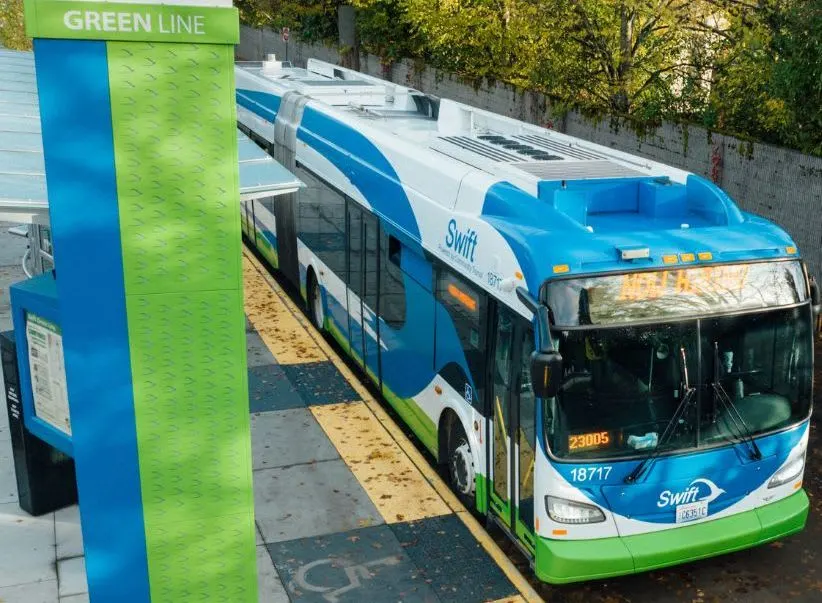
When Community Transit was formed in 1976, the City of Everett opted to maintain a city-only transit system rather than join the network that grew to serve Snohomish County’s fast-growing cities and rural areas.
- The City of Everett plans to join Community Transit’s district through an interlocal agreement.
- An annexation proposal will be created and reviewed in the coming months.
- The Everett City Council and Community Transit board will evaluate the proposal this fall.
*Summarized by AI
Everett Mayor Cassie Franklin and Community Transit CEO Ric Ilgenfritz announced the resumption of joint work to consolidate Everett Transit and Community Transit, forming a unified, expanded transit network to serve Everett and Snohomish County residents in Washington state.
In the coming months, the parties will develop an interlocal agreement for the city’s annexation into Community Transit’s district. The proposal will be considered by the Everett City Council and the Community Transit board this fall, said officials.
The long-discussed action responds to Everett’s rising population and transit demand, preparing to integrate local bus networks with the upcoming arrival of light rail.
“Consolidation will make it easier for people to travel between Everett and the existing Link light rail service in Lynnwood, and throughout the county. It will provide the local bus connections essential to support future light rail service in Everett,” Franklin said. “The Sound Transit Board is currently debating the revised timeline for these once-in-a-lifetime Link investments in Everett. It’s now more important than ever to demonstrate to the Sound Transit Board that we’re ready to support a strong, regional transportation system that works in lockstep with Sound Transit’s network.”
Serving the Community Better
With a consolidated transit network, officials said riders traveling to and from Everett will benefit from more frequent service and fewer transfers, making transit more convenient.
“Through this annexation, we can offer Everett residents more connections, more destinations, and more frequent buses. We can provide shorter waits, with more service all day long and through the evening hours,” Ilgenfritz said. “We are in a position to make travel smoother and easier between Everett and other destinations across Snohomish County and our entire region. Every current rider, as well as every new rider we attract, is someone who will experience access to faster and more frequent travel and more seamless connections.”
What’s Next?
The work now underway to shape an interlocal agreement will build on intensive earlier work, officials said.
In response to the City of Everett’s Rethink Transit study during 2022 and 2023, the city and Community Transit initiated a joint process under the banner of More Transit Together to consider a growth strategy through consolidation. In September 2023, the agencies completed the More Transit Together Report, which outlined an initial vision for a consolidated transit network.
After substantial joint efforts, the parties announced in early 2024 that they would temporarily pause work to focus on other near-term priorities.
If the interlocal agreement is approved by the Everett City Council and the Community Transit board, the Community Transit board — reconfigured to include City of Everett representation — will oversee planning and public engagement processes to shape the implementation of the interlocal agreement and full details of an integrated and expanded network, along with other policy actions to support the consolidation. While this planning and engagement work is completed, both changes to the Everett Transit and Community Transit networks would be phased in and remain largely as-is during a transition period of approximately one year.
The planning work during this period will span not only fixed-route bus services but also other transit investments, including expanding microtransit, paratransit, and vanpool services. Strategies for merging paratransit services and adopting a unified fare structure will represent top priorities.
The parties’ proposed interlocal agreement will be crafted under provisions of Washington State Law sponsored by Sen. Marko Liias of Edmonds, chair of the Senate Transportation Committee, which allow the annexation to be approved by actions of the Everett City Council and Community Transit Board following a public hearing.
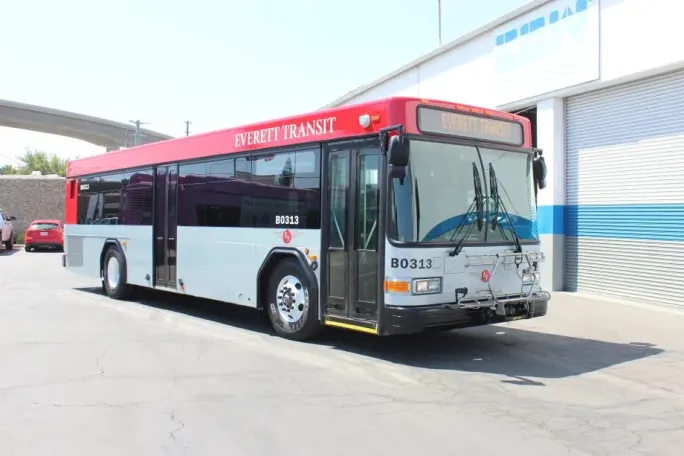
The interlocal agreement that the parties develop in the coming months will ensure that the City of Everett is fully and equitably compensated for assets transferred to Community Transit as part of the consolidation.
CCW
What’s At Stake
When Community Transit was formed in 1976, the City of Everett opted to maintain a city-only transit system rather than join the network that grew to serve Snohomish County’s fast-growing cities and rural areas.
As regional growth continues to create greater demand for seamless connections, Franklin emphasized that it is unsustainable for the county’s largest city to continue to be served by a separate transit system with inadequate resources.
Everett is currently one of only a handful of cities in the state with its own transit system, and the only one in the Puget Sound region.
The interlocal agreement that the parties develop in the coming months will ensure that the City of Everett is fully and equitably compensated for assets transferred to Community Transit as part of the consolidation.
If the interlocal agreement is approved by the agencies’ respective legislative bodies, under state law, Community Transit’s sales tax rate for other cities throughout Snohomish County (1.2%) would apply in Everett. Today, local transit services in the county’s largest city are constrained because its transit sales tax is half the level of neighboring cities.
Ilgenfritz and Franklin emphasized understanding that this proposed consolidation raises questions and anxieties among employees and pledged to work together to address them, in compliance with Washington State law.
Quick Answers
The interlocal agreement aims to facilitate the annexation of Everett into Community Transit's district, allowing for a unified transit service.
*Summarized by AI
More Management

Bus Tech Talk: Keeping Transit Technicians Ahead of the Technology Curve
In this episode of Bus Tech Talk, Complete Coach Works’ Business Development Manager Mark Hollenbeck and METRO’s Executive Editor Alex Roman sit down with Obed Mejia, Senior Technical Trainer for Bus Maintenance, at LA Metro to discuss how rapidly evolving bus technology is changing the maintenance shop — and the skills technicians need to keep pace.
Read More →
Michael Schneider Joins Paslay Group to Expand Transportation Practice
The longtime transportation executive will help Paslay Group grow its advisory and program management work across transit, highway, and other infrastructure sectors.
Read More →
People Movement: Connectpoint Expands Leadership Team, Stadler Names New Group CEO, and More
In this edition, we also spotlight recent personnel moves at Burns, UZURV, and more, highlighting the people taking on new roles across the transportation industry.
Read More →
More Than a Summer Job: Building the Next Generation of Transit Talent
The Delaware River Port Authority and PATCO have transformed their internship program into a hands-on professional development experience that introduces students to the breadth of transportation careers — and creates a pipeline for future employees.
Read More →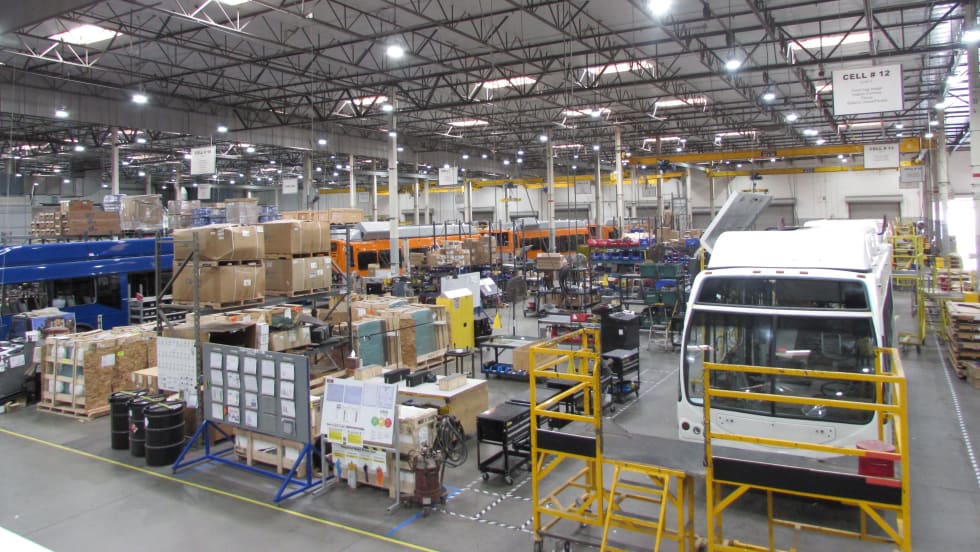
LA Metro Board Awards 220 Battery-Electric Bus Contract to ENC
The contract, which is the largest base award of battery-electric buses by a U.S. transit agency, will be built in Southern California, sustaining good jobs as LA prepares to welcome the world in 2028
Read More →
What’s Behind San Diego MTS’s Award-Winning Transit Strategy
Named one of APTA’s 2026 Outstanding Public Transportation Systems with 50 million or more annual passenger trips, California’s San Diego Metropolitan Transit System points to gains in ridership, safety, technology, and reliability as foundations of its success.
Read More →
Public Transit Conference Returning to GFX in 2027, Call for Papers Now Open
The Call for Papers is now open, allowing transit agency professionals and industry experts to help shape the PTC educational program by submitting session ideas for consideration.
Read More →
Indian River Transit’s Community-Focused Approach Earns National Recognition
Named APTA’s 2026 Outstanding Public Transportation System in its size category, Florida’s Indian River County transit system continues to grow ridership through fare-free service and a focus on evolving community needs.
Read More →
ENC Lands MATA Contract and More in Biz Briefs
In this edition of Biz Briefs, we spotlight the latest developments shaping the future of mobility.
Read More →From Surviving to Thriving: Building Stronger Transportation Organizations
Bus Business Consultants founder Brian Dickson shares lessons on leadership, organizational health, and creating options for long-term success in a changing transportation industry.
Read More →