



From Collaboration to Innovation: Diane Cowin on What’s Next for Transit
In this Consultant Roundtable, AECOM’s Interim Global Transit Director discusses how agencies can align teams, manage complexity, and prepare for the next generation of transit infrastructure and service delivery.

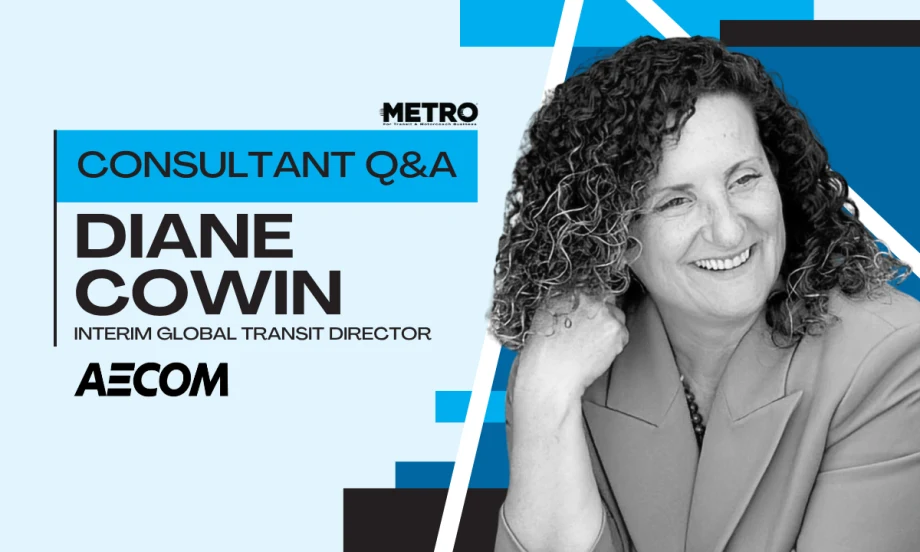
In this Consultant Roundtable, Diane Cowin discusses emerging delivery models, leadership approaches, and the long-term trends shaping transit investment and operations.
AECOM/METRO
- Diane Cowin emphasizes the importance of aligning teams within transit agencies to foster collaboration and innovation.
- Managing complexity in transit projects is crucial for successful infrastructure development and service delivery.
- Preparing for future transit demands involves forward-thinking strategies and adaptability in planning and execution.
*Summarized by AI
As transit agencies confront rising infrastructure demands, evolving delivery models, and rapid technological change, the need for integrated, forward-looking strategies has never been greater. Diane Cowin, AECOM’s interim global transit director, brings a global perspective shaped by leading complex, multidisciplinary programs and advising agencies on how to deliver projects more efficiently and collaboratively.
In this Consultant Roundtable, Cowin discusses emerging delivery models, leadership approaches, and the long-term trends shaping transit investment and operations.
On Delivery Models and Leadership
Q: From a global transit perspective, what innovations or delivery models abroad should North American agencies be paying closer attention to?
Cowin: Some innovative North American agencies have been expanding into collaborative delivery models widely used in other parts of the world, such as Progressive Design Build (PDB) and/or Alliance contracts. Collaborative delivery models focus on outcomes and incentivize decision-making as a collective team — agency, engineering, and contractors — with a focus on the best for the project/program.
A draw to these delivery methods centers on a certain cost and schedule, and on the division of risk based on which entity is better equipped or empowered to bear it. Better decisions can be made earlier due to well-rounded input from all involved.
PDB, for example, allows agencies to work with designers and contractors earlier in the design process to leverage their construction knowledge, resulting in more accurate cost estimates backed by recent purchasing and construction experience.
Another emerging trend in the US is the use of delivery partner contracts to support the agency in delivering large, complex infrastructure programs. Delivery Partners sit within the agency as part of the agency, yet go well beyond staff augmentation to serve as the agency's design or operations manager, for example.
Canada has been using collaborative delivery models for some time, but is procuring one of its first transit Alliance contracts, furthering the North American collaboration journey in transit infrastructure delivery.
Q: You’ve led large, multidisciplinary teams across regions — what leadership approaches are most effective in aligning engineering, planning, and operations around a shared transit vision?
Cowin: To create a shared vision, you need to nurture a culture of emotional safety and radical candor. Diverse voices from every stage of the program or project lifecycle need to be heard, their ideas considered, and incorporated to gain widespread buy-in to the vision.
Once you have buy-in, your leadership and team need to be flexible and resilient within the vision, as projects and programs are ever-changing and continually reacting to various stimuli and inputs. Cross-disciplinary communication must continue, though it can be difficult, since as we develop projects and/or organizations, natural silos often form.
As a leader, you must be deliberate and vigilant to keep the lines of information and communication flowing for ultimate success.
Public Transit Overview
Q: Where do you see the biggest opportunity for transit agencies to better integrate land use, equity, and mobility planning?
Cowin: The biggest opportunities to integrate land use, equity, and mobility are at stations anchored in vibrant, diverse communities. This integration is best represented by stations that become community hubs, offering a combination of services and amenities, such as art, gardens, places of respite and gathering, farmers markets, shops, social services, daycare, and playscapes. These bespoke combinations for a community move stations far beyond mobility hubs to community assets.
Q: As global transit director, what long-term shifts do you believe will most significantly shape transit investment priorities over the next decade?
Cowin: Across the globe, agencies built in the last 20 to 30 years are turning their attention and capital budgets more toward renewals and the maintenance or upgrading of their assets. I also anticipate a growing focus on resilient infrastructure as agencies continue to struggle with more frequent and intense natural hazard events. These trends will continue over the next decade and beyond.
I believe we are just seeing the start of a much larger transition in how transit is developed, delivered, and operated and maintained, led by technological advances in AI, automation, and energy systems/management. These trends will unlock advanced customer service capabilities, enhanced safety and reliability, and even new modal options.
For example, AECOM is leading the Automated Bus Consortium, a collection of AECOM transit clients working together to procure highly automated buses. We are also designing and finding sites for vertiports for aviation clients, eVTOL operators, and manufacturers.
Quick Answers
Diane Cowin focuses on how transit agencies can align teams, manage complexity, and prepare for the next generation of transit infrastructure and service delivery.
*Summarized by AI
More Management
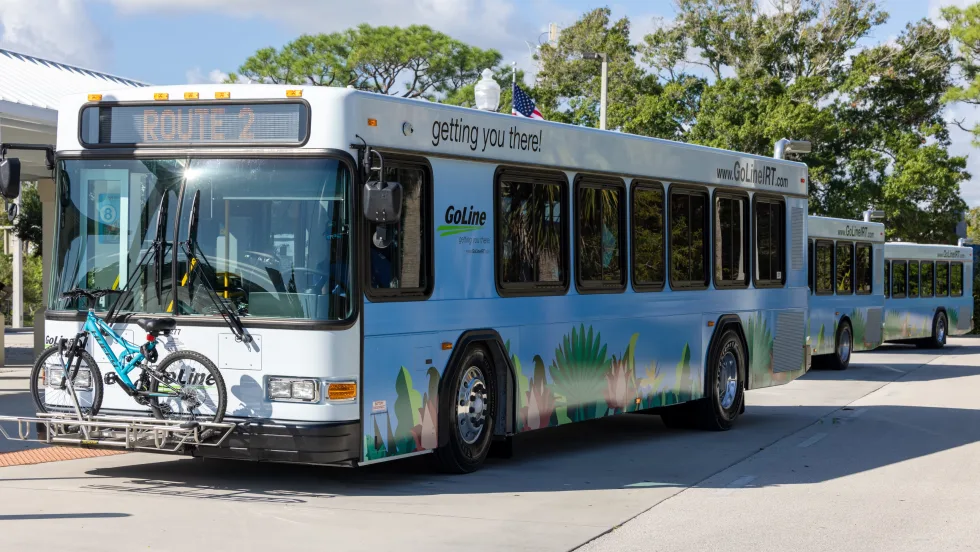
Indian River Transit’s Community-Focused Approach Earns National Recognition
Named APTA’s 2026 Outstanding Public Transportation System in its size category, Florida’s Indian River County transit system continues to grow ridership through fare-free service and a focus on evolving community needs.
Read More →
ENC Lands MATA Contract and More in Biz Briefs
In this edition of Biz Briefs, we spotlight the latest developments shaping the future of mobility.
Read More →
From Surviving to Thriving: Building Stronger Transportation Organizations
Bus Business Consultants founder Brian Dickson shares lessons on leadership, organizational health, and creating options for long-term success in a changing transportation industry.
Read More →
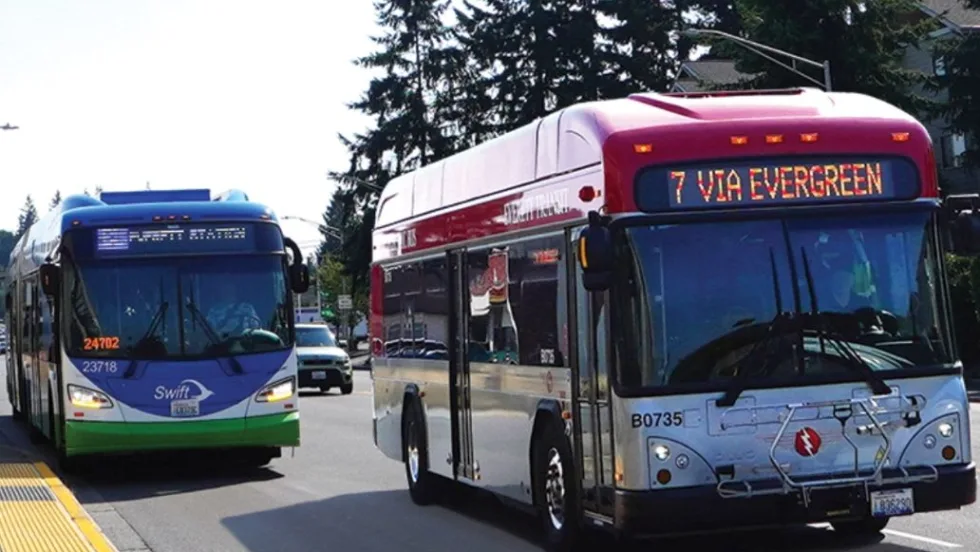
Everett Transit, Community Transit Outline Consolidation Agreement
The proposed agreement calls for a 50% increase in bus service in Everett, a new microtransit zone, continued paratransit service, and the transfer of Everett Transit operations to Community Transit.
Read More →
Strada360’s Steve Lassey on Turning Transit Data Into Better Decisions
From breaking down data silos to preparing for AI, Strada360 CEO Steve Lassey discusses how transit agencies can use technology to improve operations, customer information, and long-term decision-making.
Read More →
People Movement: Phil Washington Joins HNTB, Denver RTD Launches CEO Search, and More
In this edition, we also spotlight recent personnel moves at STV, the Eno Center for Transportation, and more, highlighting the people taking on new roles across the transportation industry.
Read More →
SEPTA Details Accelerate Vision for Transit System
The plan outlines investments in trolley modernization, new Metro and Regional Rail vehicles, accessible stations, and more frequent bus and rail service.
Read More →
FTA Ends Direct Oversight of MBTA Safety Actions
The federal agency closed its remaining special directive to the Massachusetts Department of Public Utilities following a safety review that began in 2022.
Read More →
Report: Transit Bus Manufacturing Supports 34,100 Jobs, $5.1B in GDP
The “Buses Mean Business” report examines the transit bus manufacturing industry’s economic footprint, supply chain, and rising demand for vehicle replacements.
Read More →
LIT Marks 10-Year Milestone at Annual Summit
Hosted by the COTA from September 10 to 13, the Summit carried the theme “Celebrating 10 Years of Excellence, Leadership, and Impact,” with every part of the program honoring the people, agencies, and partners who built LIT over its first decade.
Read More →