Subdivisions that serve the Amtrak Southwest Chief and California Zephyr are first to roll out, with full activation on BNSF routes expected by the end of August.
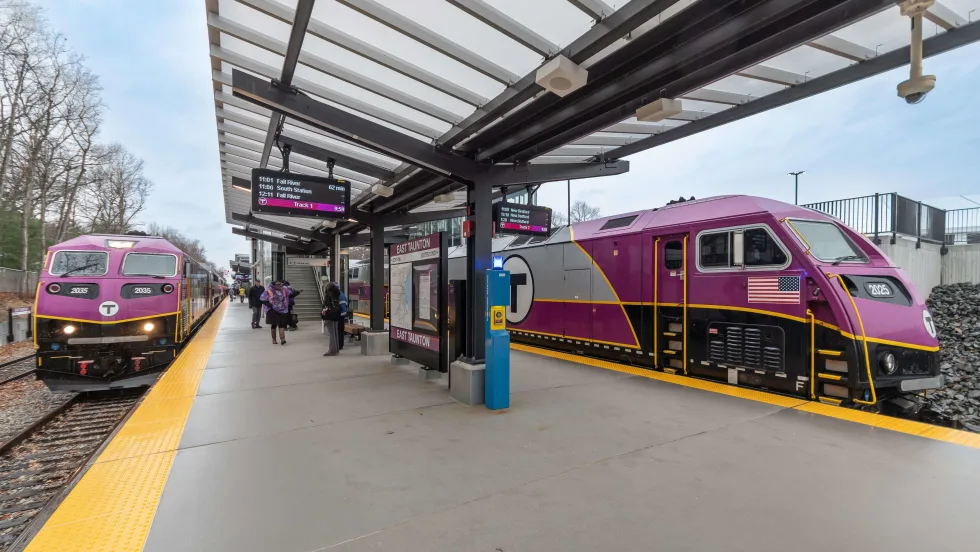
Amtrak, in coordination with BNSF Railway, will implement Positive Train Control (PTC) over several BNSF-owned subdivisions this week, marking the first activation on host-owned territory used by Amtrak.
“Amtrak’s highest priority is ensuring the safety of our passengers, our crews and the communities we serve, and full implementation of PTC will make the entire network safer,” said Amtrak Executive VP, Safety, Ken Hylander. “While we are excited to achieve this milestone, we must continue to work together to activate PTC and make the national railroad network safer.”
Ad Loading...
Subdivisions that serve the Amtrak Southwest Chief and California Zephyr are first to roll out, with full activation on BNSF routes expected by the end of August.
Amtrak PTC Implementation by the numbers
To date, Amtrak has made progress implementing PTC across the routes and equipment it controls for the following:
380 of 444 Amtrak owned locomotives are fully equipped and PTC operable.
8 of 11 installation/track segments completed.
104 of 120 radio towers fully installed and equipped.
95% of employees who require training to support PTC operations have completed training.
607 of 900 route miles in PTC operation.
“This is a great step for Amtrak. We have the infrastructure in place that allows them to operate on our network. We have partnered with them on the federal mandate and in some cases beyond the federal mandate to install PTC on subdivisions not required of BNSF. We look forward to continuing that partnership as they roll-out PTC along our routes,” said Chris Matthews, BNSF assistant VP, Network Control Systems.
Amtrak is on track to achieve installation and operation of PTC across the network it controls by the year-end deadline, and is working with partners throughout the industry to advance this system on host infrastructure.
Where PTC is not implemented and operational, it is expected that nearly all carriers will qualify for an alternative PTC implementation schedule under law. For those carriers and routes operating under an extension or under an FRA-approved exemption, Amtrak is performing risk analyses and developing strategies for enhancing safety on a route-by-route basis to ensure that there is a single level of safety across the Amtrak network by Jan. 1, 2019.
For those very limited routes where a host may not achieve an alternative schedule by year’s end, Amtrak will suspend service and may seek alternative modes of service until such routes come into compliance.
Ad Loading...
Amtrak is also working with tenant railroads that operate over Amtrak’s infrastructure as they work to ensure that they have sufficient PTC-commissioned rolling stock by the deadline to operate normal services.
The program will begin with a 60-day warning period before citations are issued in January 2027, joining similar efforts across Southern California to improve bus reliability, safety, and accessibility.
Developed with support from the Standards Council of Canada, CSA D700 guides assessing climate-related risks and planning adaptation measures for transit and passenger rail systems.
The new administrative process will move eligible violations out of the criminal court system, cap penalties at $125, and provide flexible payment options for riders.
The agency credits expanded security measures, employee training, and technology investments for improvements in transit safety, while security officers have responded to 19 suspected overdoses since July.
The Call for Papers is now open, allowing transit agency professionals and industry experts to help shape the PTC educational program by submitting session ideas for consideration.
Proposed legislation would link federal transit dollars to safety measures while requiring security investments, onboard cameras, and new fare collection standards.
The federal agency closed its remaining special directive to the Massachusetts Department of Public Utilities following a safety review that began in 2022.
The 90-day demonstration will deploy coordinated security teams at five light rail stations while testing controlled access and gathering data to guide future investments.