




RELATED: Keolis receives RTC of So. Nevada contract extension
Keolis runs first fully-automated metro line in Shanghai
The line comprises approximately four miles of double track and six elevated stations.
April 3, 2018
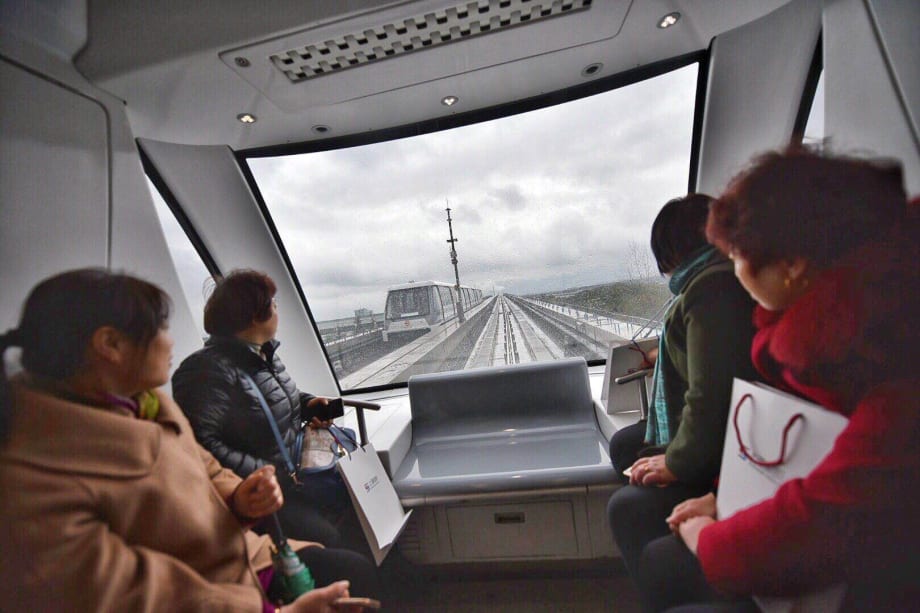
The metro line is overseen by an integrated control center to operate and monitor the trains and stations.
Keolis
2 min to read
The metro line is overseen by an integrated control center to operate and monitor the trains and stations.
Keolis
Shanghai Keolis, a joint venture between the Shanghai Shentong Metro Group Co. Ltd. (51%) and Keolis Group (49%), started operating the fully-automated Pujiang metro line, the first fully automated metro line in Shanghai. The line comprises approximately four miles of double track and six elevated stations.
The seven-year operations and maintenance contract was awarded to Shanghai Keolis two years ago.
The new line is notably a driverless rubber-tire Automated People Mover (APM) system. Designed to serve residents in the district of Minhang (Pujiang town), the line runs along the Sanlu Highway from Huizhen Road Station to Shendu Highway Station where passengers can commute to Shanghai metro line 8.
There are several dynamic features of the APM system, which include short distances between stations, a small turning radius, a lightweight design, and reduced noise, as well as fast acceleration and deceleration. The metro line is overseen by an integrated control center to operate and monitor the trains and stations. The metro line also features an advanced signaling system allowing the trains to operate driverless and enables trains to run every three minutes, 20 seconds during peak hours and every six minutes during weekends.
Present in China since 2014, Keolis continues to develop its expertise in intermodal integration and understanding local mobility needs. Since its creation, Shanghai Keolis has been awarded two automated metro projects, the other is the new Automated Rapid Transit Transport System for Shanghai Pudong International Airport, scheduled to be launched in 2019.
More Technology
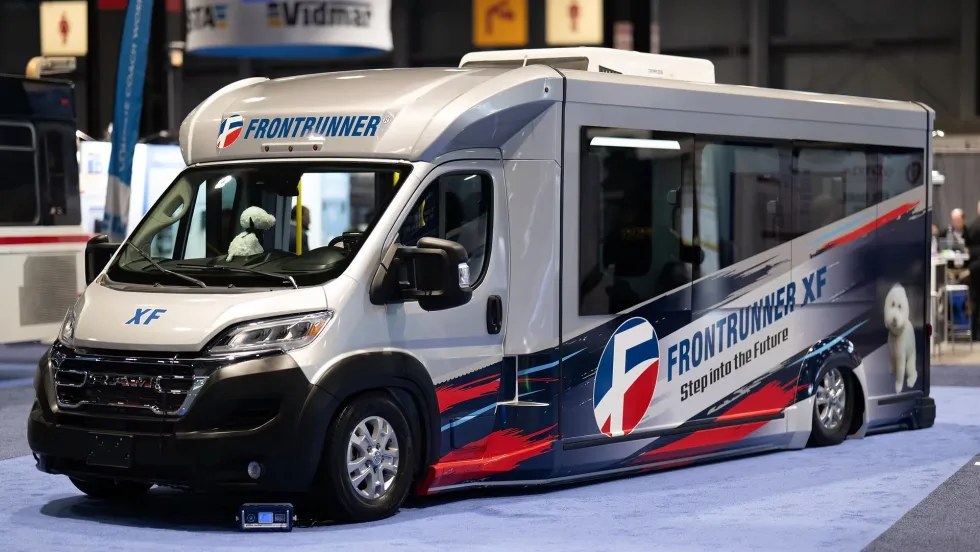
Frontrunner Bus Group Introduces XF Low-Floor Bus with Enhanced Accessibility
The new mid-sized bus features a full flat-floor design, eight-inch curbside step-in height, and zero-entry rear ramp to improve passenger access and operational flexibility.
Read More →
Building a Flexible Path to Transit Electrification with BAE's John Hroncich
John Hroncich discusses BAE Systems’ modular and scalable approach, lessons learned from decades of real-world operations, and how agencies can identify electrification strategies that fit their fleets.
Read More →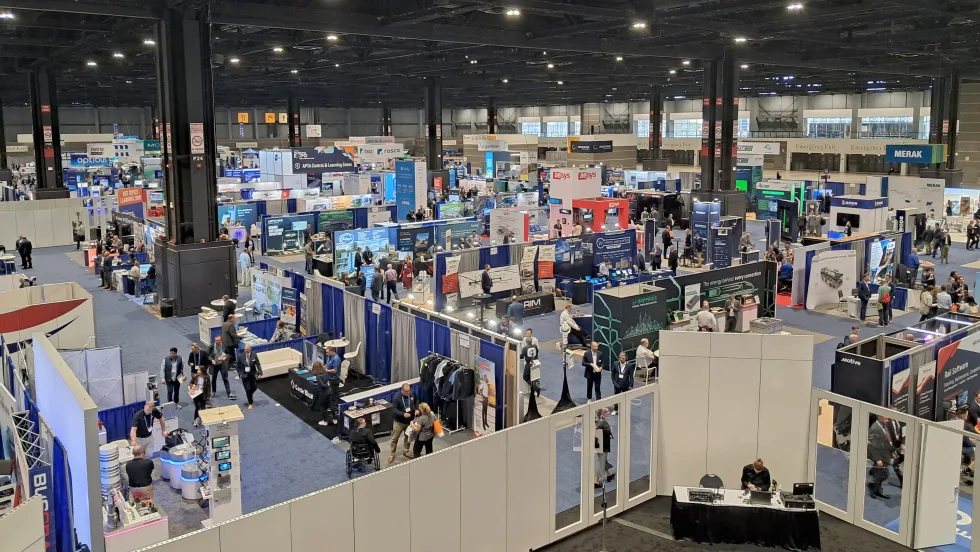
Scenes from APTA TRANSform & EXPO 2026
Transit leaders, manufacturers, and industry professionals gathered in Chicago to explore new technologies, share ideas, and discuss the future of public transportation.
Read More →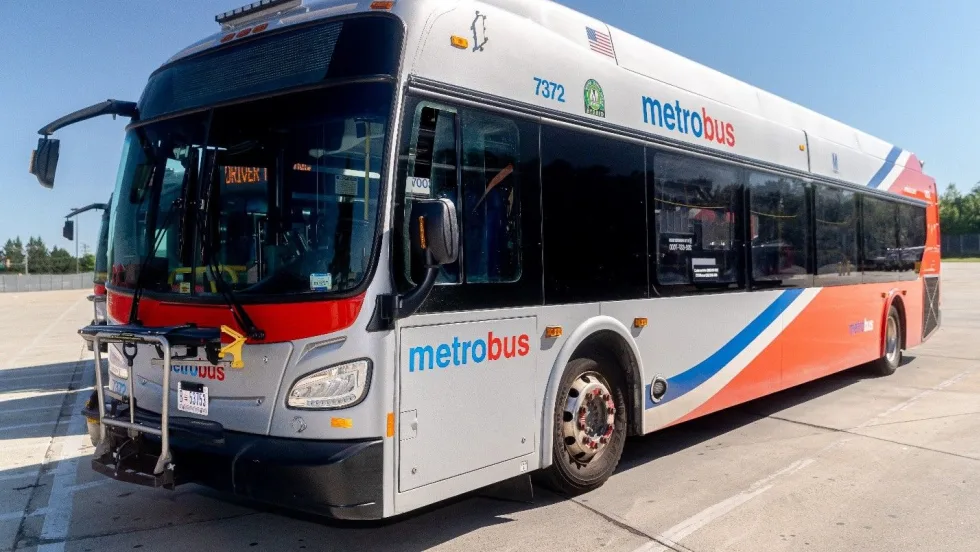
Biz Briefs: New Flyer Secures Additional 100-Bus Order from WMATA and More
In METRO's latest installment, we also take a look at recent news from Masabi, MCI, Samsara, and more partnerships making headlines across the transportation sector.
Read More →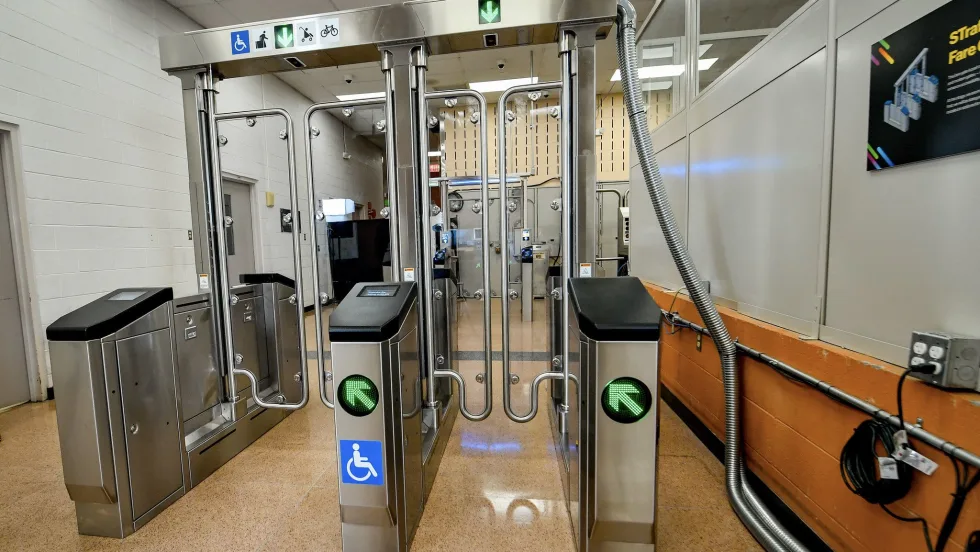
MTA Fare Gate Pilot Reduces Fare Evasion by 35%
Following a 20-station pilot, the agency plans to install new fare gates at 20 additional subway stations as part of a $1.1 billion modernization initiative.
Read More →
California Law Extends AC Transit’s Bus Lane Camera Enforcement
The new law allows AC Transit to continue using forward-facing bus cameras to enforce parking violations in bus-only lanes and at bus stops.
Read More →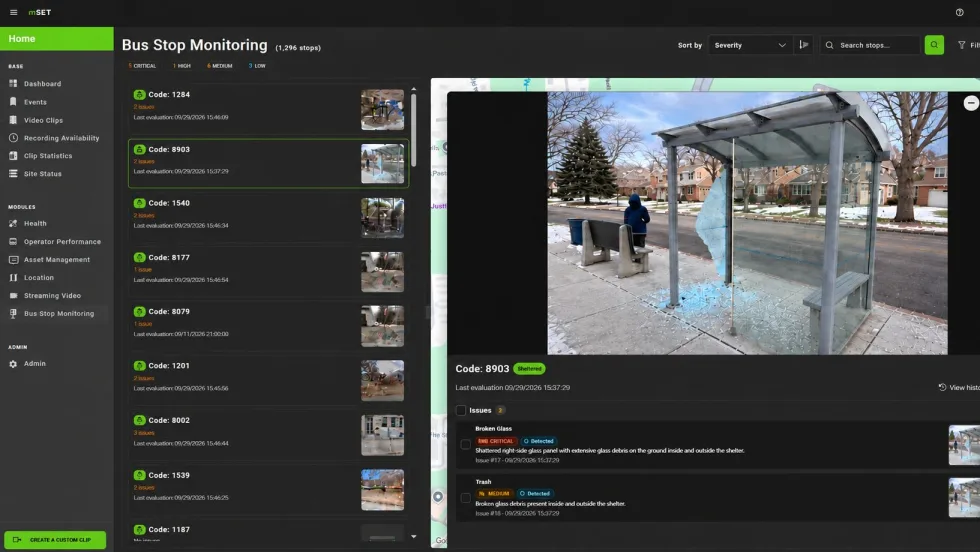
Biz Briefs: Luminator Launches AI Technology to Monitor Bus Stop Conditions and More
In METRO's latest installment, we also take a look at recent news from Masabi, Troman Industries, ioki, CCW, and more partnerships making headlines across the transportation sector.
Read More →
Public Transit Conference Returning to GFX in 2027, Call for Papers Now Open
The Call for Papers is now open, allowing transit agency professionals and industry experts to help shape the PTC educational program by submitting session ideas for consideration.
Read More →
ENC Lands MATA Contract and More in Biz Briefs
In this edition of Biz Briefs, we spotlight the latest developments shaping the future of mobility.
Read More →
Strada360’s Steve Lassey on Turning Transit Data Into Better Decisions
From breaking down data silos to preparing for AI, Strada360 CEO Steve Lassey discusses how transit agencies can use technology to improve operations, customer information, and long-term decision-making.
Read More →