




RELATED: Stantec acquires RNL
Calif.'s Beeline breaks ground on new maintenance facility
RNL, now part of Stantec, provided programming, master planning, architecture, interior design, landscape architecture, and lighting design through Bridging Documents on the 25,000-square foot project, designed to meet and exceed the State of California energy code.
March 8, 2018
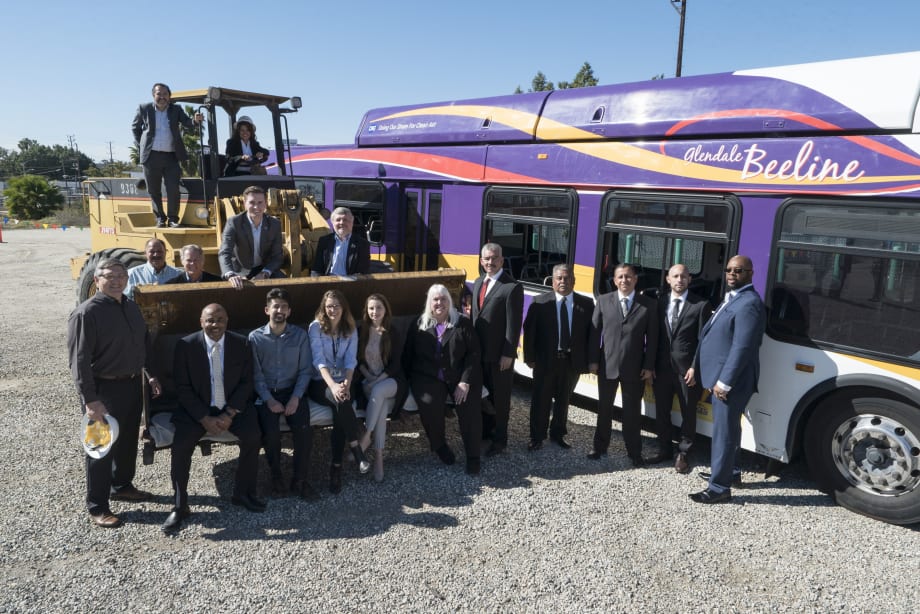
Front Row L-R: Len Sheptock, Arcadis USA; Rudy LeFlore, The LeFlore Group; Shant Mirzaians, Glendale; Alison MacCarley, Glendale, Tatevik Vardanyan, Glendale; Kathryn Engel, Glendale; Jesse Saavedra, MV Transit; Santos Tapia, MV Transit; Nestor Villafuerte, MV Transit; Ramiro Hidalgo, MV Transit; and Fred Hartidge, MV Transit.
Middle Row L-R: David Khalaf , Dorado Design & Construction; Mark Freeman, Dorado Design & Construction; Will Todd, Stantec/RNL; Pat McKelvey, Stantec/RNL.
Back Row L-R: Gabriel Sanchez, Dorado Design & Construction; Violet Nielsen, The LeFlore Group.
City of Glendale
2 min to read

Calif.’s City of Glendale held its official groundbreaking for the Beeline Maintenance Facility, which allows the City to have its first-ever co-located administrative, maintenance, and operations facility to better support its current fleet of 37 buses and nine demand-response vehicles. RNL, now part of Stantec, provided programming, master planning, architecture, interior design, landscape architecture, and lighting design through Bridging Documents on the 25,000-square foot project, designed to meet and exceed the State of California energy code.
“We are thrilled to be breaking ground on this transformational project,” said Kathryn Engel, Transit Manager, City of Glendale. “The City has many constraints on this site and the RNL design team was able to provide all of the functionality we required in a very efficient footprint — there is not an inch of wasted space. The new campus will help us to control operating costs while maintaining outstanding services for our community. RNL, now part of Stantec, utilized an innovative, interactive, and creative approach to make efficient use of the site while allowing for future transit growth.”
The Beeline Maintenance Facility’s contemporary design utilizes high-quality, durable materials, will include exterior sun shading for occupant comfort and energy performance, and is designed to mitigate noise. Sustainable design features include:
The potential for on-site solar energy production.
A convenient location with access to transit and bike facilities.
Rainwater management, heat island reduction, and light pollution reductions.
Water use reduction, water metering, and optimized energy performance.
Indoor air quality, daylighting, and sustainable and healthy building products.
“For us, simply designing the various components of a transit maintenance facility doesn't equal success,” said Patrick M. McKelvey, sr. principal, RNL. “We also need to meet the needs of the people using the facility every day, while designing with community in mind. We are excited for this facility to break ground, which we designed to be a good neighbor to the surrounding community and to push the limits of innovation, operational efficiency, and sustainability.”
The facility is set to open in 2019.
More Management

Joshua Schank on Transportation Innovation, Risk, and the Future of Mobility
In this edition of METROspectives, Joshua Schank discusses lessons from launching LA Metro’s Office of Extraordinary Innovation, the challenges of advancing new mobility technologies, and much more.
Read More →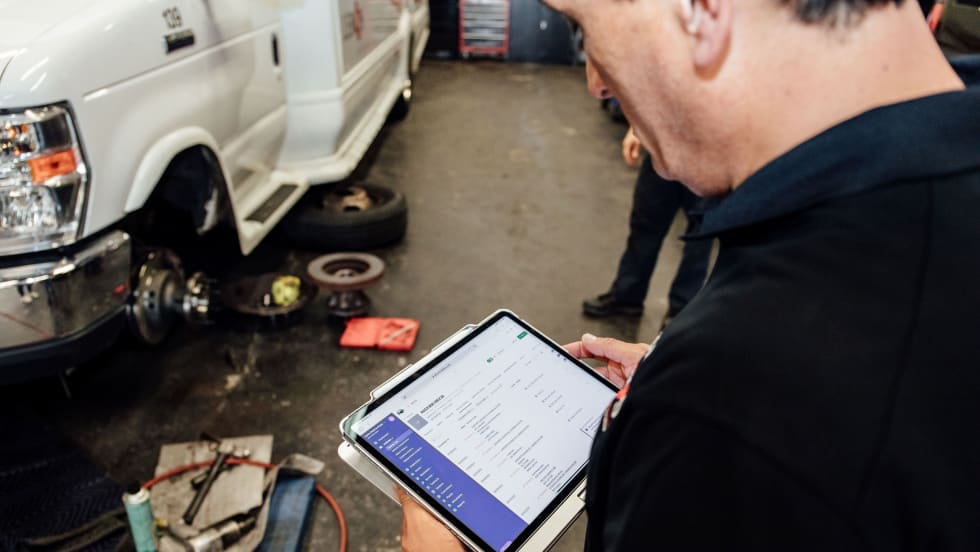
Reinventing Fleet Maintenance with Real-time Visibility and AI
Transit leaders need to know what needs fixing, where to look, who is responsible, when work is completed, and what it costs without having to chase information across disconnected systems.
Read More →
Alstom Acquires Delaware Site to Support Amtrak NextGen Acela Fleet
The company is investing more than $55 million to acquire and improve the property and will employ approximately 100 people at this site once it is operational.
Read More →
SamTrans Sets Priorities for Potential Connect Bay Area Revenue
The board-approved framework allocates future funding to maintaining service, rider improvements, equity initiatives, and infrastructure repairs.
Read More →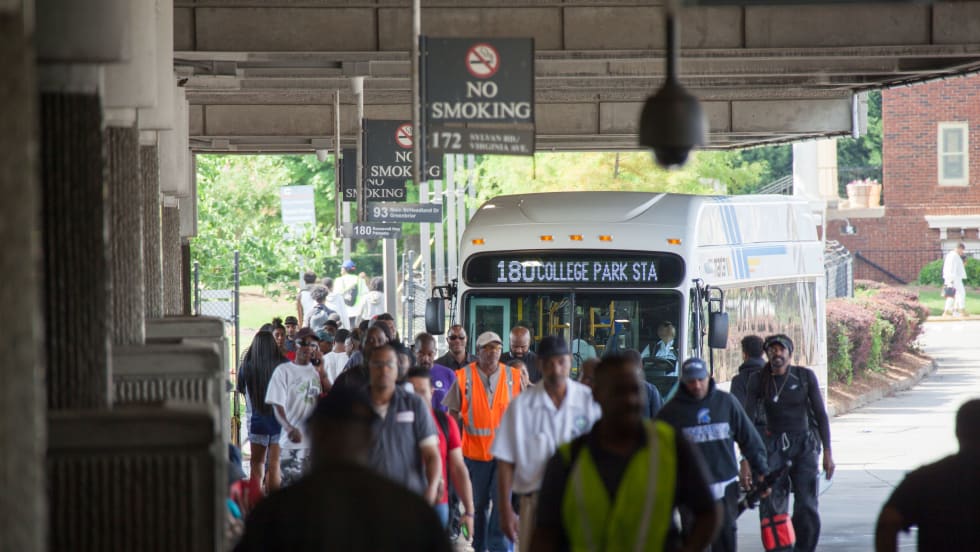
Federal Transit Officials Launch MARTA Safety Probe
FTA has given MARTA 15 days to provide records on crime prevention, fare evasion enforcement, and security funding as part of a broader safety investigation.
Read More →
ABA's Ferguson Testifies in Support of BUS Act, National Standards for Bus Operators
The BUSES Act would create a nationwide framework preventing state and local governments from enforcing bus idling restrictions of less than 15 minutes, a threshold consistent with existing Environmental Protection Agency guidance.
Read More →
When Routine Fails: How Public Transit Must Adapt for the World Cup
The 2026 FIFA World Cup will test transit agencies’ ability to manage unpredictable travel patterns, making real-time data and operational flexibility critical to moving millions of visitors efficiently.
Read More →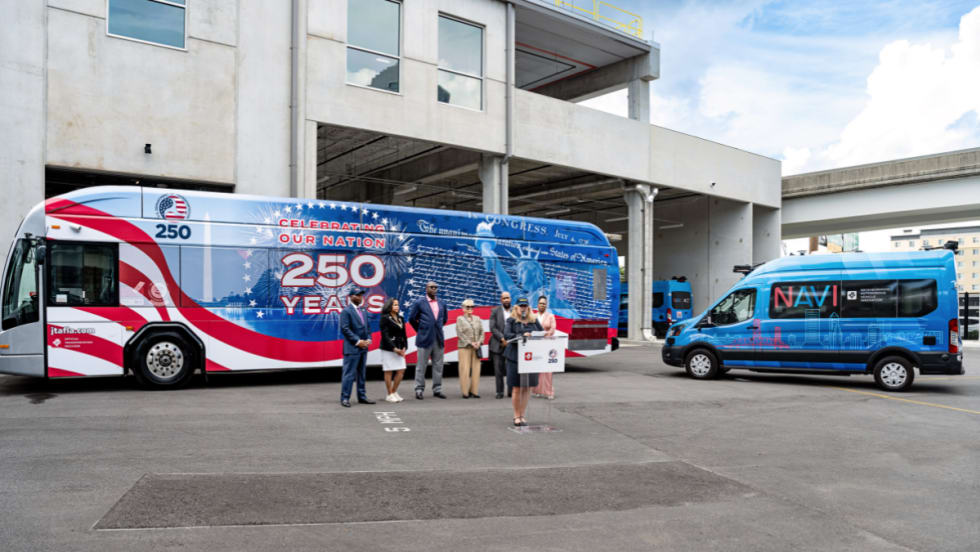
Florida’s JTA Puts Innovation in Motion Ahead of America250
The agency unveiled a commemorative America250 bus during a visit from U.S. DOT's Seval Oz and showcased its autonomous mobility programs.
Read More →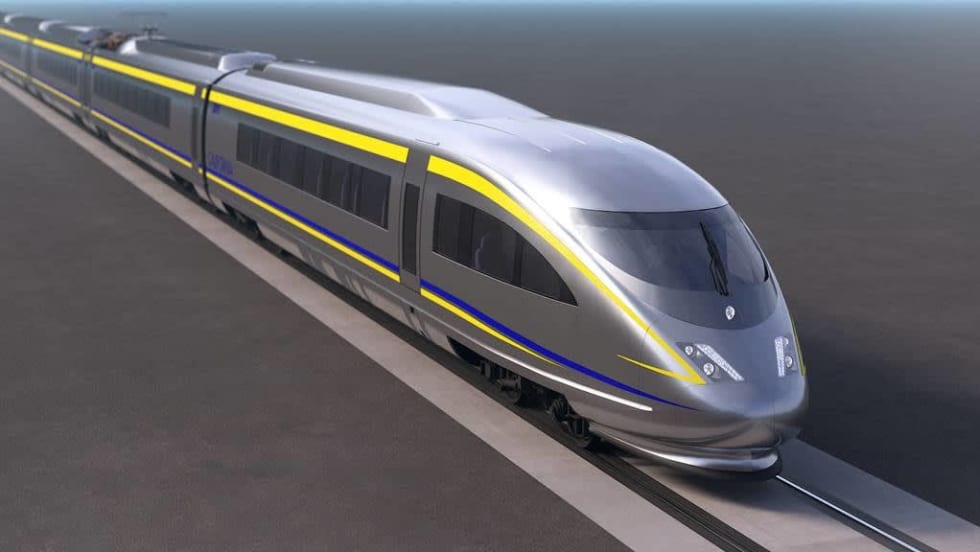
California Selects Team for Nation’s First True High-Speed Rail Track and Systems Contract
The board action follows completion of track installation at the 150-acre southern railhead in Kern County, which will serve as the staging and distribution hub for high-speed track and systems installation.
Read More →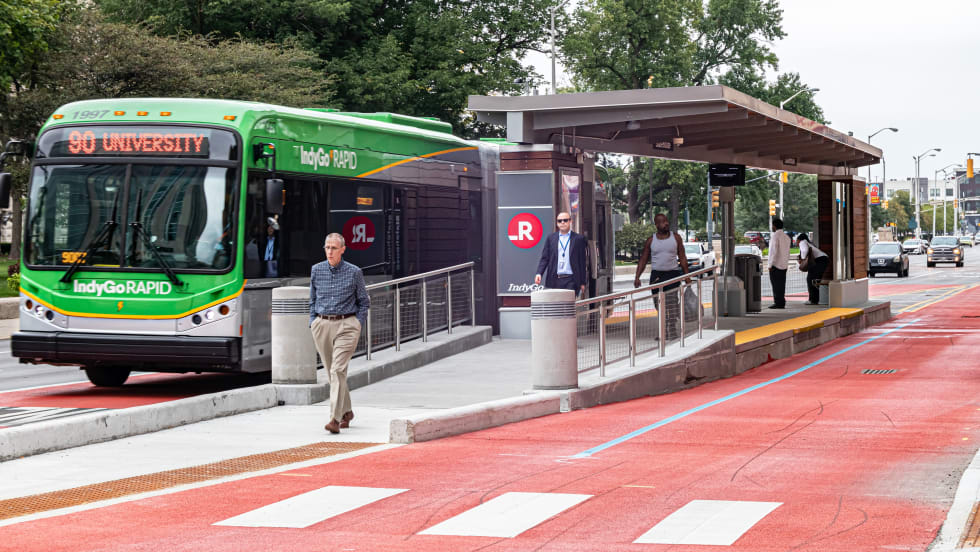
IndyGo, Cleveland RTA Expand Digital Fare Payment Options with Masabi
The new systems combine mobile apps, smart cards, and automatic fare capping to simplify payments, expand flexibility, and help riders access the lowest available fares.
Read More →