



IndyGo, Cleveland RTA Expand Digital Fare Payment Options with Masabi
The new systems combine mobile apps, smart cards, and automatic fare capping to simplify payments, expand flexibility, and help riders access the lowest available fares.

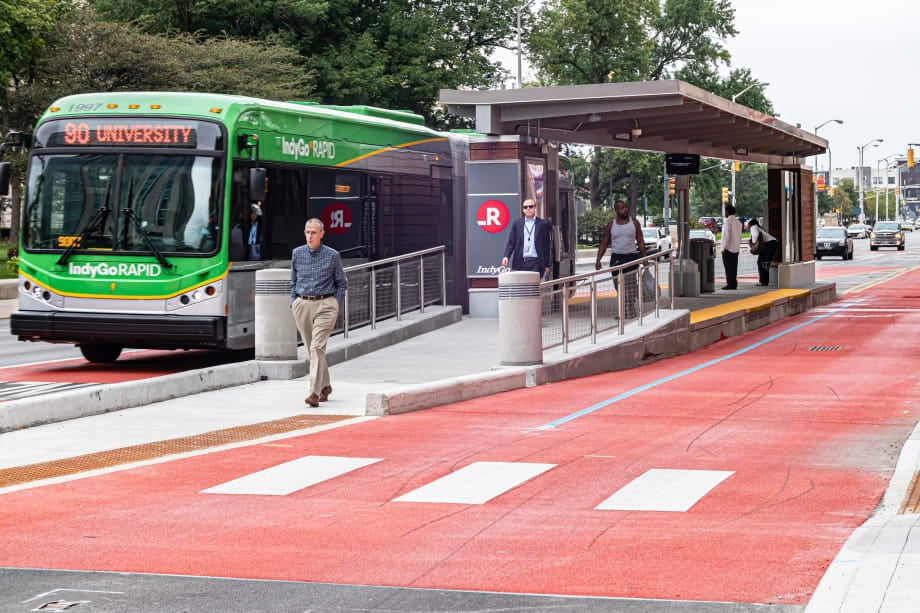
IndyGo's MyKey+ is part of the regional EZFare network, which enables riders to purchase tickets and passes across multiple transit agencies in Indiana, Ohio, Kentucky, Michigan, West Virginia, and Pennsylvania.
Photo: IndyGo
- IndyGo and Cleveland RTA have introduced new digital fare systems.
- The systems integrate mobile apps, smart cards, and automatic fare capping for simplified payment.
- These updates aim to increase payment flexibility and ensure riders access the lowest available fares.
*Summarized by AI
IndyGo and the Greater Cleveland Regional Transit Authority (GCRTA) teamed with Masabi to roll out new digital fare collection systems designed to simplify transit access, expand payment flexibility, and ensure riders receive the lowest available fares through automatic fare capping.
IndyGo Launches MyKey+
IndyGo will launch its new MyKey+ electronic fare collection system on July 1, replacing the agency’s existing MyKey platform with a new mobile app and smart card powered by Masabi.
Riders will be able to manage their accounts through a web portal or mobile app, while accessing new features such as fare capping, negative balance protection, multi-rider payments, and a retail network of more than 100 locations where customers can add funds with cash or cards.
“The launch of MyKey+ builds upon the success of IndyGo’s existing fare system while introducing new tools that make paying for transit easier, more flexible, and more equitable for our riders,” said IndyGo President/CEO Jennifer Pyrz.
MyKey+ is part of the regional EZFare network, which enables riders to purchase tickets and passes across multiple transit agencies in Indiana, Ohio, Kentucky, Michigan, West Virginia, and Pennsylvania.
IndyGo plans to phase out the existing MyKey system over the summer, with the transition completed on September 1.
GCRTA Introduces Fare Capping, Smartcards
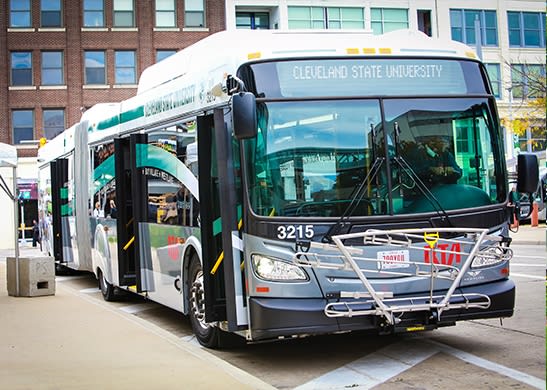
Customers can use a GCRTA Smartcard or the Transit with EZfare and EZfare mobile apps to access the system.
Meanwhile, GCRTA has launched Account-Based Ticketing (ABT), fare capping, and smart card payment options that automatically track trips and ensure riders never pay more than the cost of a daily, weekly, or monthly pass.
Customers can use a GCRTA Smartcard or the Transit with EZfare and EZfare mobile apps to access the system.
Under the fare-capping model, riders who pay per trip automatically receive unlimited rides once their fares reach the equivalent cost of a pass. The program applies to adult, senior, and youth fares and eliminates the need for riders to purchase passes upfront.
“Fare capping will provide the entire community with the peace of mind that all riders will receive the best possible price, regardless of their ability to pay in advance,” said GCRTA Board Trustee Jeffrey Weston Sleasman.
Part of A Growing Trend
The initiatives reflect a growing trend among transit agencies toward account-based fare collection systems that simplify payment, improve customer convenience, and expand regional fare integration while ensuring riders receive the most cost-effective fare options available.
Quick Answers
The new digital fare payment options include mobile apps, smart cards, and automatic fare capping to enhance the flexibility and convenience of payments.
*Summarized by AI
More Technology
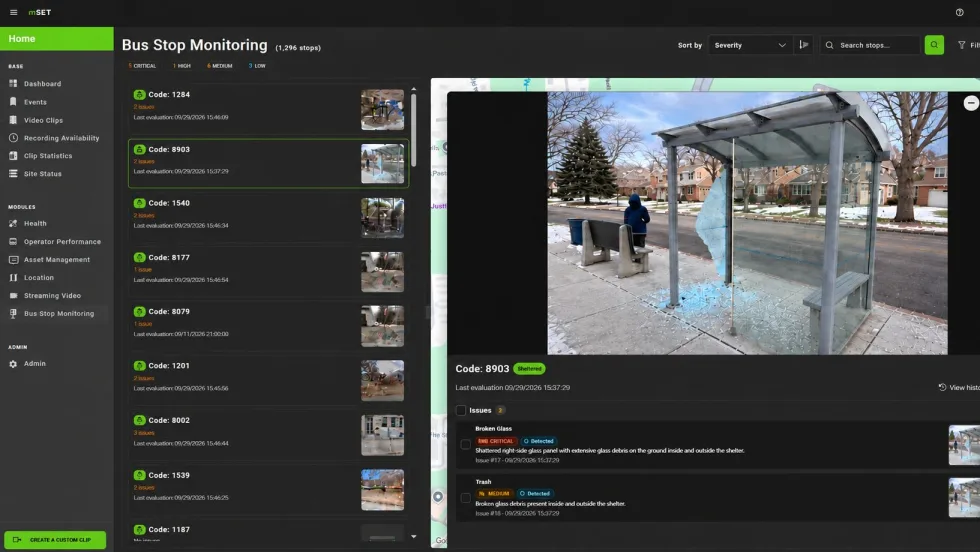
Biz Briefs: Luminator Launches AI Technology to Monitor Bus Stop Conditions and More
In METRO's latest installment, we also take a look at recent news from Masabi, Troman Industries, ioki, CCW, and more partnerships making headlines across the transportation sector.
Read More →
Public Transit Conference Returning to GFX in 2027, Call for Papers Now Open
The Call for Papers is now open, allowing transit agency professionals and industry experts to help shape the PTC educational program by submitting session ideas for consideration.
Read More →
ENC Lands MATA Contract and More in Biz Briefs
In this edition of Biz Briefs, we spotlight the latest developments shaping the future of mobility.
Read More →

Strada360’s Steve Lassey on Turning Transit Data Into Better Decisions
From breaking down data silos to preparing for AI, Strada360 CEO Steve Lassey discusses how transit agencies can use technology to improve operations, customer information, and long-term decision-making.
Read More →
Almaviva Looks to Open Architecture to Advance Transit Technology
Eric Reese discusses how interoperability, open architecture, and modular design can help transit agencies control costs, reduce vendor lock-in, and upgrade technology without starting over.
Read More →
Driving Smarter Paratransit
John Hanlon shares how AlphaRoute is leveraging AI-powered technology to help paratransit providers optimize operations, support frontline staff, and enhance the rider experience.
Read More →
From Hardware to Digital Partner: Luminator Charts Its Next Chapter
CEO Magnus Friberg discusses Luminator’s shift toward becoming a digital partner, the growing importance of software and interoperability, and how AI can help agencies improve operations and passenger experience.
Read More →
Beyond the Checklist: A Structured Approach to Transit Maintenance
Reliability-Centered Maintenance helps transit agencies move beyond routine checklists to focus limited resources on the assets and failures that have the greatest impact on safety, reliability, and service.
Read More →
NJ TRANSIT Advances Bus Technology Upgrades Across Statewide Fleet
More than 1,500 buses now feature upgraded technology designed to improve arrival predictions and provide free Wi-Fi, with deployment expected to reach nearly 2,000 buses by the end of 2026.
Read More →
Building a Flexible Path to Transit Electrification
John Hroncich discusses BAE Systems’ modular and scalable approach, lessons learned from decades of real-world operations, and how agencies can identify electrification strategies that fit their fleets.
Read More →