




RELATED: Texas Central, Brightline rail projects fed-approved to move ahead
Texas Central bullet train co. picks Houston station location
Texas Central has named it as their preferred site because of minimal environmental and community impact and ability to connect to desired destinations.
February 6, 2018
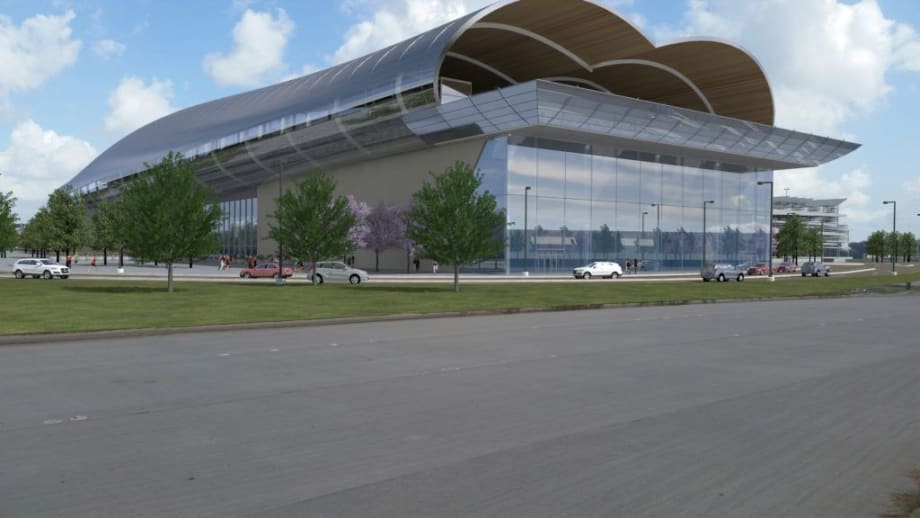
Texas bullet train rendering of Houston station. Image: Texas Central Partners
2 min to read

The Texas Bullet Train announced its preferred location for its Houston passenger station.
The terminal, at the Northwest Mall site near the interchange of US 290 and Interstate 610, a high-growth area, with easy access to employment centers, including a medical center and downtown.
The selection comes about a month after the Federal Railroad Administration (FRA) released an extensive environment analysis, the Draft Environmental Impact Statement (DEIS), which said the 200-mph, Houston-to-North Texas train would alleviate the strain on the state’s existing infrastructure and is needed to accommodate growing demand.
In the DEIS, the FRA outlined three station options in northwest Houston, including the mall site. Texas Central has named it as their preferred site because of minimal environmental and community impact and ability to connect Houstonians to desired destinations.
Also, it allows the high-speed train largely to follow existing rights of way, while providing passengers with easy, efficient roadway access and connectivity with METRO’s Northwest Transit Center. Studies show the center of Houston’s population base is growing north and west of the Central Business District.
Federal regulators, in the environmental report, cited the Houston station’s many economic benefits, including an increase in property values within a half-mile of the terminal as a result of the train project. That’s in addition to new and related transit-oriented development in the area.
The report provides additional guidance as the project moves into its construction phase, minimizing impacts on the environment and communities along the 240-mile path. The train will create 10,000 jobs during each year of construction and about 1,500 full-time jobs when operations start.
According to the DEIS, the concourses will consist of public areas, restaurants, bars, seating areas, fast foods, concessions and newsstands, along with pedestrian connections to an adjacent parking facility.
The bullet train is expected to remove 14,630 cars daily from Interstate 45, which will save 8.5 million gallons of gas a year.
More Rail
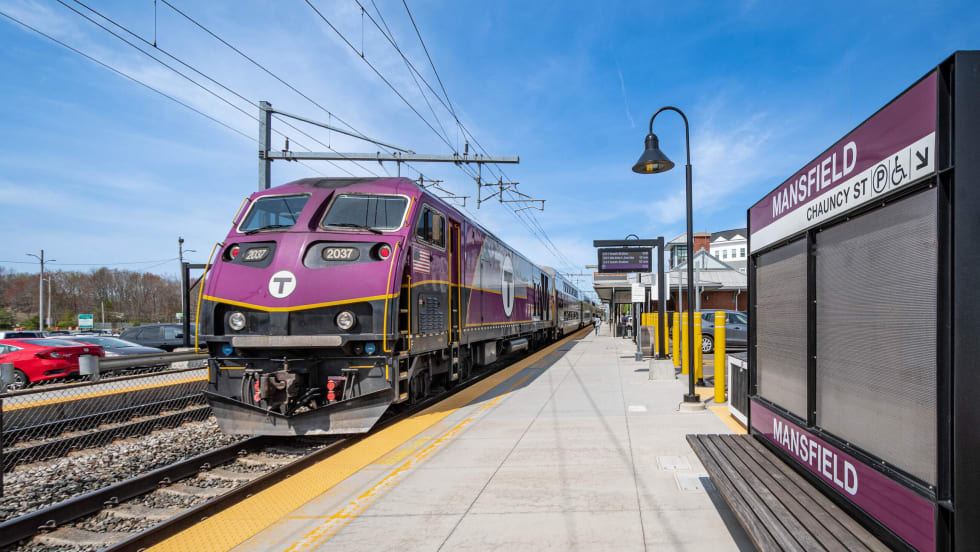
MBTA Selects STV to Support Battery-Electric Locomotive Procurement
The firm's seven-year contract includes end-to-end support from bid review and selection through procurement, production, and testing.
Read More →
Executive Order Aims to Improve Transit Access Across California
The order directs state agencies to streamline transit project delivery, improve coordination, and expand access to bus and passenger rail services across California.
Read More →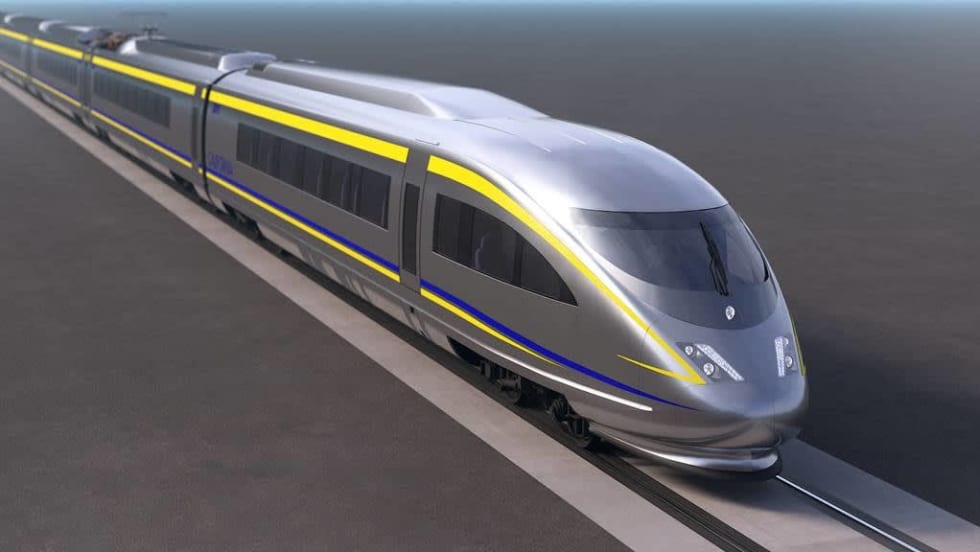
California High-Speed Rail Advances Merced–Madera Construction Procurement
The procurement represents a major expansion of active high-speed rail construction.
Read More →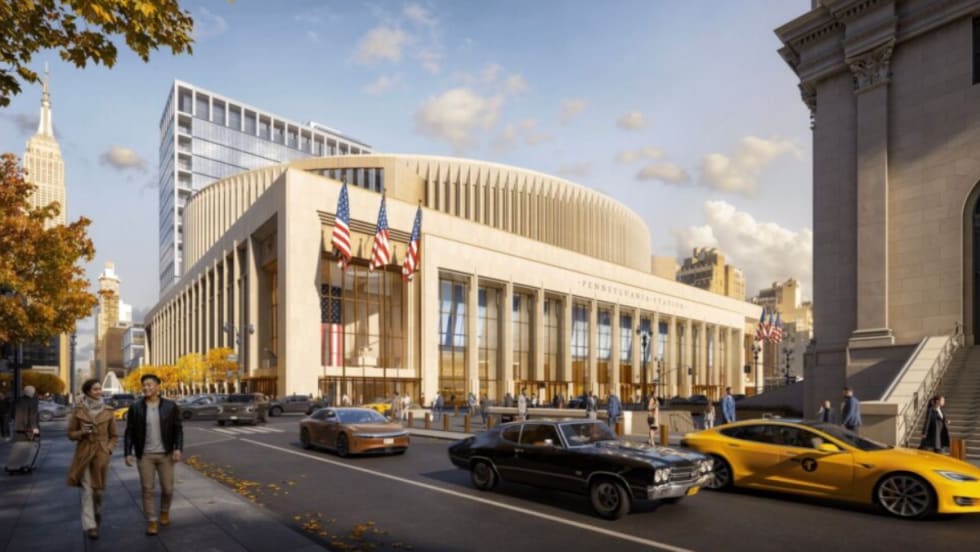
Amtrak Finalizes Pre-Development Agreement for Penn Station Overhaul
The agreement advances plans for a $7 billion to $8 billion transformation of New York's busiest transit hub, with construction expected to begin by the end of 2027.
Read More →
New York MTA Leverages Zoning Program to Advance Station Accessibility
Accessibility enhancements at Nevins St Station will be financed through a development agreement tied to the MTA's Zoning for Accessibility initiative.
Read More →
Virginia's $28.5B Transportation Plan Targets Transit and Rail
Approved by the Commonwealth Transportation Board, the program supports ongoing infrastructure projects while providing new investments in transit, state of good repair and transportation alternatives.
Read More →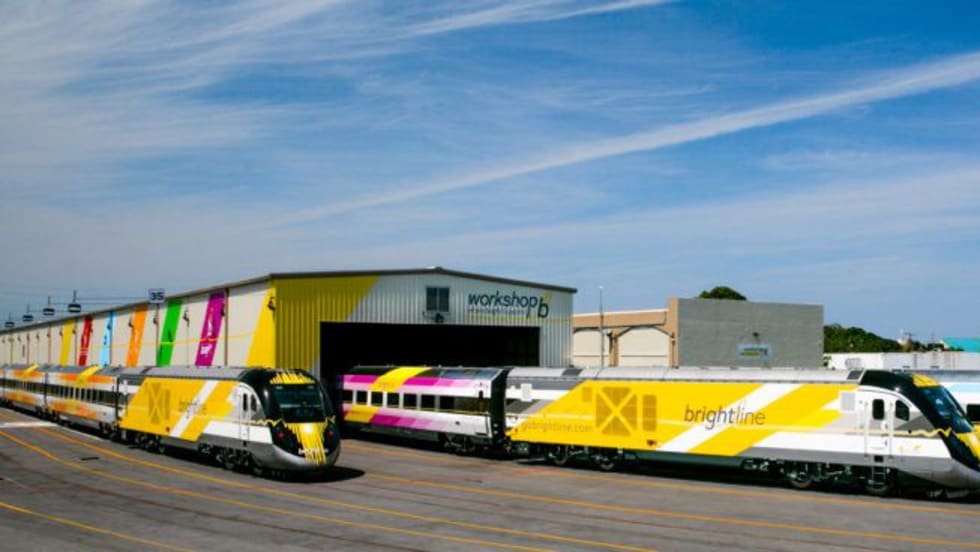
DOT: Brightline Corridor Incidents Fall 30% Following Federal Safety Upgrades
Safety improvements funded through a $25 million federal investment are credited with reducing trespassing and train-vehicle collisions along the Brightline Florida corridor.
Read More →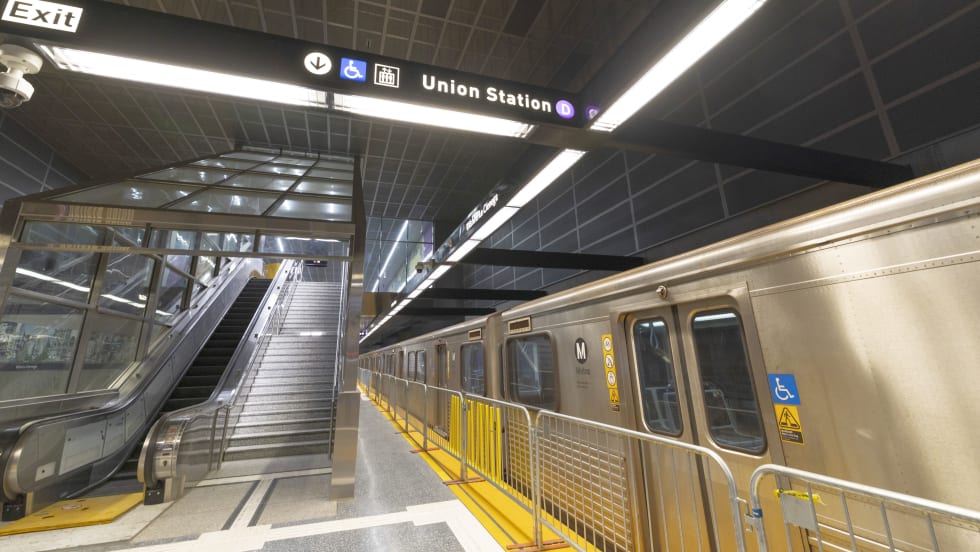
D Line Expansion Fuels Growth Across LA Metro's Rail System
Weekend rail ridership was especially strong, soaring 18% as riders embraced expanded access to jobs, entertainment, dining, and cultural destinations, said the agency. Total system ridership for May, including bus and rail, was 26,966,657.
Read More →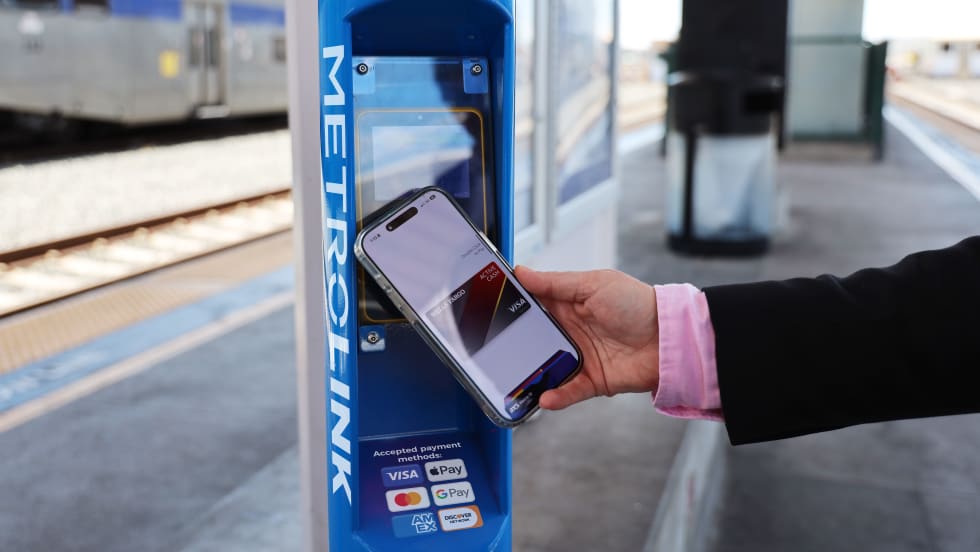
Southern California's Metrolink Debuts Contactless Fare Payment Pilot
Customers traveling between Redlands and Los Angeles can now tap their preferred payment method, including a credit or debit card, mobile wallet, or wearable device, at station validators before boarding and again while exiting.
Read More →
California's BART Approves FY27 Budget While Maintaining Service Levels
The budget covers July 1, 2026, through June 30, 2027, a period when pandemic emergency funds run out, the District faces a structural deficit of $375 million, and a regional transit funding measure may appear on the November ballot.
Read More →