



California High-Speed Rail Advances Merced–Madera Construction Procurement
The procurement represents a major expansion of active high-speed rail construction.

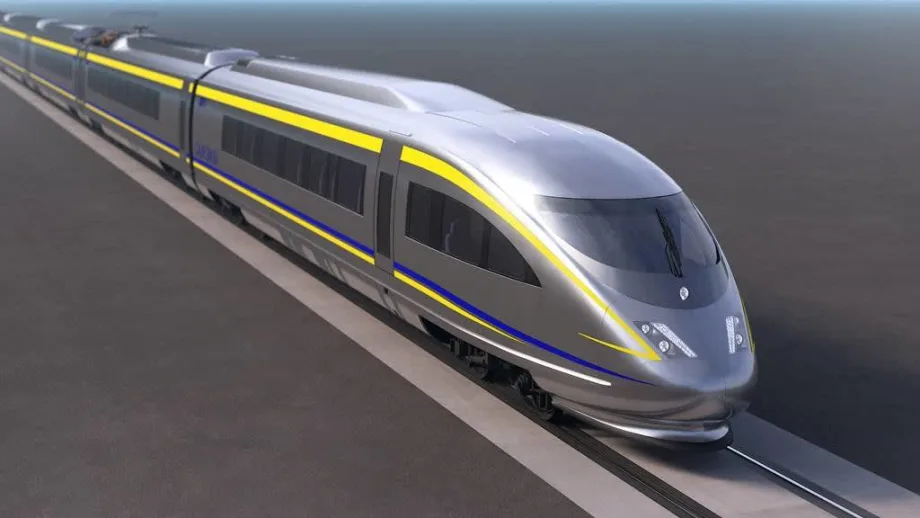
The Merced to Madera contract covers major civil work along the segment, including grading, structure construction, and roadway improvements.
California High Speed Rail Authority
- The Merced–Madera construction procurement marks a significant phase in California's high-speed rail project.
- This step represents a major expansion of current high-speed rail construction activities.
- The advancement in procurement highlights the ongoing development efforts in California's rail infrastructure.
*Summarized by AI
The California High Speed Rail Authority (Authority) board approved issuing a Request for Qualifications (RFQ) for the Merced to Madera civil works collaborative design-build contract, a key step toward extending the nation’s first high-speed rail system north toward Merced County.
The procurement represents a major expansion of active high-speed rail construction.
“With this action, we’re accelerating the work needed to bring clean, electrified high-speed rail to more of the people of California — starting with Merced,” said Ian Choundri, CEO at the Authority. “As we prepare to begin track installation later this year and launch the next phase of construction, Californians will begin to see the system take shape. By advancing this link and pursuing new clean energy public-private partnership opportunities, we’re building momentum and strengthening the long-term financial sustainability of high-speed rail.”
From Merced to Madera
The Merced to Madera contract covers major civil work along the segment, including grading, structure construction, and roadway improvements. The project represents the next phase of extending California’s high-speed rail system north through the Central Valley, building on the 119 miles of construction already underway.
The procurement follows a collaborative design-build process, allowing the Authority and competing teams to work together during project development to refine design, reduce risk, and improve cost and schedule certainty before a final contractor is selected.
The solicitation for this procurement will be issued this summer. Two teams will be shortlisted by the end of 2026, with early collaboration beginning shortly thereafter.
Major construction on this new segment is anticipated from late 2027 through 2030. The full contract is estimated at approximately $2.4 billion.
Clean Energy Public-Private Partnership Advances
The board also received an update on a new solicitation for the Cal CLEAN Partnership Agreement, a long-term initiative focused on securing reliable clean power for future high-speed rail operations while exploring opportunities to generate additional value from Authority-owned assets and infrastructure, supporting the Authority’s statutory requirement to deliver a system that can operate without ongoing taxpayer subsidy. This effort complements the recently executed rail infrastructure Co-Development Agreement with Momentum Alliance Partners LLC, which is currently evaluating opportunities to accelerate project delivery and expand private-sector participation in the program.
Under the solicitation, a selected public-private partner will spend six months identifying potential clean energy and commercialization concepts at no cost to the Authority before any future development agreements are considered. The exploratory phase will evaluate opportunities to support future system power needs, strengthen energy resiliency, and maximize the value of public infrastructure investments.
Statements of Qualifications are expected this summer, with a recommended partner identified in August and an initial project identification agreement targeted for September 2026, launching the first phase of a long-term effort to support California high-speed rail’s future energy and operational needs.
Progress on High-Speed Rail in California
Work continues daily on the high-speed rail project, with 171 miles currently under design and construction from Merced to Bakersfield, according to officials.
More than 80 miles of guideway are complete, along with 61 major structures fully completed and 30 more underway across Madera, Fresno, Kings, and Tulare counties.
The project continues to advance statewide, with 463 miles of the 494-mile San Francisco to Los Angeles/Anaheim system fully environmentally cleared and construction-ready.
Throughout construction, the project has created nearly 19,200 jobs — most of which are filled by Central Valley residents — and generated nearly $25 billion in economic impact and growth across the state, said Authority officials. Up to 1,700 workers report to high-speed rail construction sites each day.
Quick Answers
The Merced–Madera construction procurement is significant as it represents a major expansion of active high-speed rail construction in California.
*Summarized by AI
More Rail
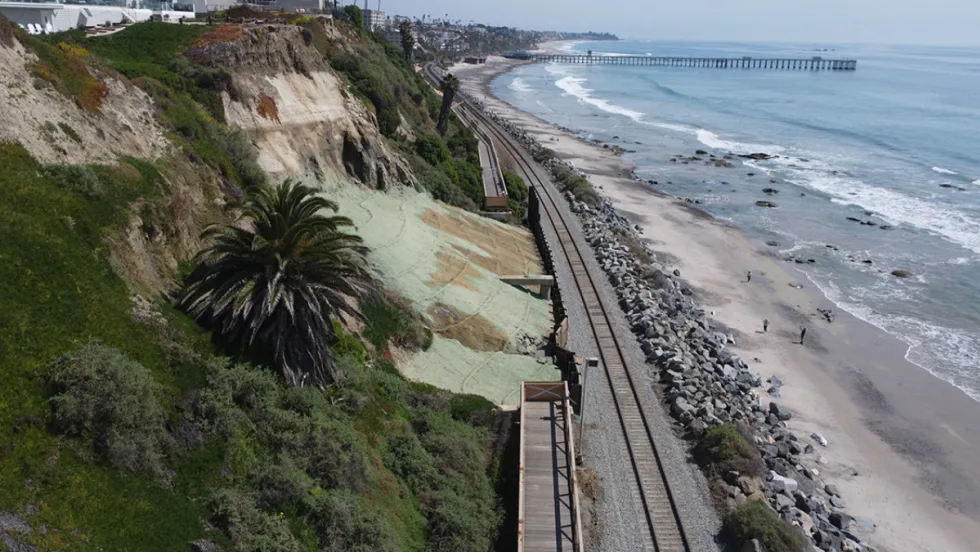
OCTA Declares Emergency to Protect Rail Corridor From Coastal Erosion
The California agency is accelerating shoreline protection and plans to place approximately 690,000 cubic yards of sand along the San Clemente coast to protect a key passenger and freight rail link.
Read More →
More Than a Summer Job: Building the Next Generation of Transit Talent
The Delaware River Port Authority and PATCO have transformed their internship program into a hands-on professional development experience that introduces students to the breadth of transportation careers — and creates a pipeline for future employees.
Read More →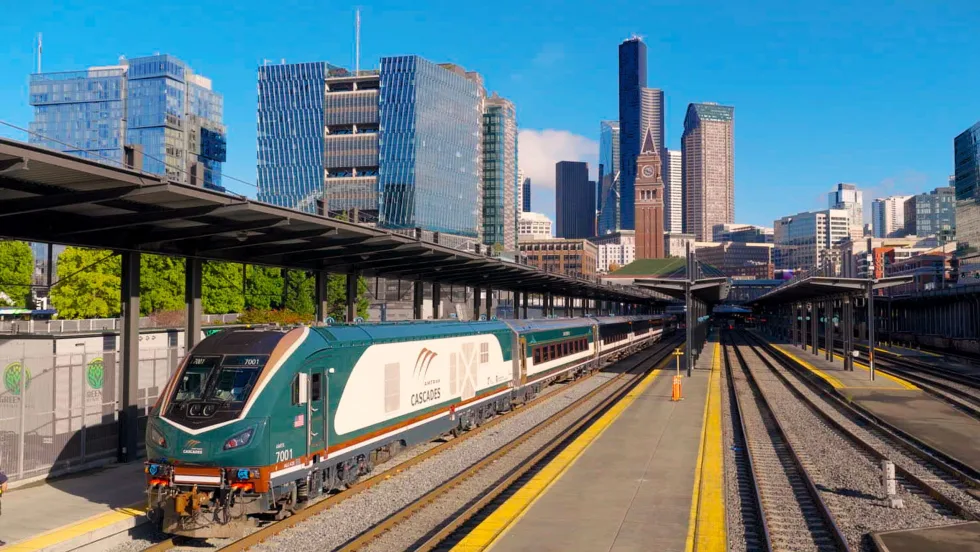
Airo Trains Make Their Amtrak Cascades Debut in the Pacific Northwest
Effective immediately, two cutting-edge Airo trainsets will join the Amtrak Cascades route, operating four daily trips between Vancouver, B.C., Seattle, Portland, and Eugene, Oregon, marking the first introduction of Airo trains into passenger service anywhere in the country.
Read More →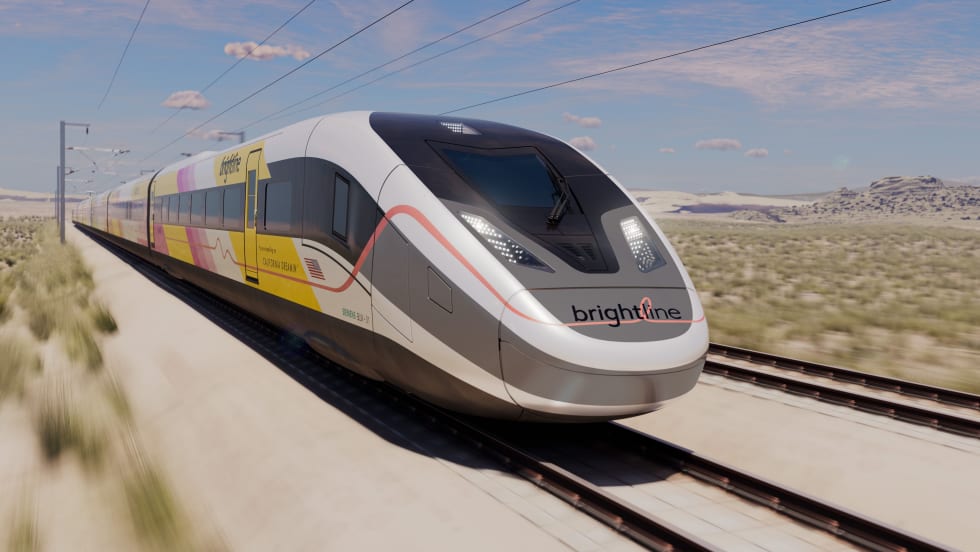
Florida's Brightline Announces Financial Restructuring
Brightline Florida says train operations will continue as normal as certain parent entities enter Chapter 11 and financial stakeholders provide $490 million in new long-term capital.
Read More →
ENC Lands MATA Contract and More in Biz Briefs
In this edition of Biz Briefs, we spotlight the latest developments shaping the future of mobility.
Read More →
Strada360’s Steve Lassey on Turning Transit Data Into Better Decisions
From breaking down data silos to preparing for AI, Strada360 CEO Steve Lassey discusses how transit agencies can use technology to improve operations, customer information, and long-term decision-making.
Read More →
SEPTA Details Accelerate Vision for Transit System
The plan outlines investments in trolley modernization, new Metro and Regional Rail vehicles, accessible stations, and more frequent bus and rail service.
Read More →
FTA Ends Direct Oversight of MBTA Safety Actions
The federal agency closed its remaining special directive to the Massachusetts Department of Public Utilities following a safety review that began in 2022.
Read More →
Amtrak, CN Reach Agreements to Strengthen Passenger Rail Service, Safety
The agreement resolves a more than decade-long proceeding before the Surface Transportation Board concerning the terms and conditions for Amtrak services, such as the City of New Orleans, Illini/Saluki, and Wolverine.
Read More →
New York MTA Advances Final Contract for Second Avenue Subway Expansion
Contract Four is the largest in the Second Avenue Subway Phase 2 project and includes construction of station infrastructure, tracks, and signals for the subway expansion, MTA officials said. Work on Contract Four will begin in 2027.
Read More →