



New York MTA Leverages Zoning Program to Advance Station Accessibility
Accessibility enhancements at Nevins St Station will be financed through a development agreement tied to the MTA's Zoning for Accessibility initiative.

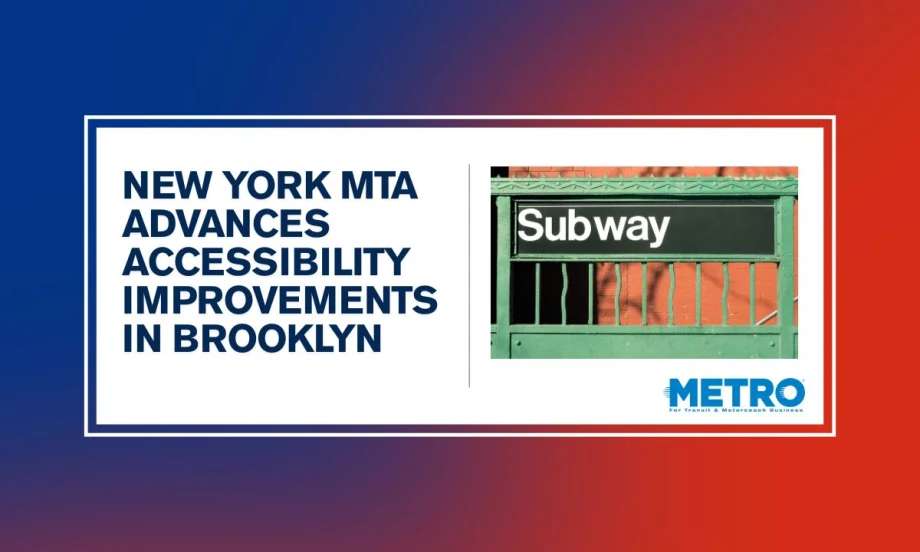
The project will create an accessible transfer between the express 4/5 and local 2/3 lines at Nevins St — a station where more than 10,000 riders transfer each day.
METRO
- The New York MTA is using its Zoning for Accessibility initiative to improve station accessibility.
- Nevins St Station will receive accessibility upgrades as a result of a development agreement.
- The financing for these enhancements is directly tied to this zoning program.
*Summarized by AI
The New York Metropolitan Transportation Authority (MTA) announced the fourth transit improvement bonus awarded under Zoning for Accessibility, which will provide new accessibility upgrades to the platforms and stairways at the Nevins St 2, 3,4, and 5 subway stations.
The project will create an accessible transfer between the express 4/5 and local 2/3 lines at Nevins St — a station where more than 10,000 riders transfer each day.
This will be the latest transit improvement funded by a private developer through Zoning for Accessibility (ZFA). This bonus provision allows developers to improve access to public transit in the city's busiest areas in exchange for increased building density.
Partnering for Success
As part of the agreement at Nevins St, Charney Companies, the developer of 95 Rockwell Pl, will finance and construct improvements to the station, including:
- Building ADA-accessible boarding areas, creating an accessible transfer between express 4/5 and local 2/3 trains on both the northbound and southbound platforms.
- Replacing tactile edges and rubbing boards along the entirety of all four station platform edges.
- Replacing all four mezzanine-to-platform stairs (two on the northbound platform and two on the southbound platform) with new ADA-compliant, safer stairways.
“All transit riders who move through Nevins Street will benefit from an enhanced and accessible transfer platform, especially parents and caregivers with children in strollers, visitors with luggage, New Yorkers with disabilities, and so many others,” said MTA Chief Accessibility Officer Quemuel Arroyo. “Thanks to Zoning for Accessibility, these improvements will be made at no cost to the MTA nor taxpayers, and will make the process of completely upgrading the station in the future better, faster, and cheaper.”
Improving Accessibility
As part of a long-term commitment to systemwide accessibility, the MTA is investing nearly $7.1 billion in station accessibility in the 2025-2029 Capital Program, to make 60 stations newly ADA-accessible and modernize an additional 45 subway elevators.
ZFA creates incentives for private developers to design their buildings to incorporate future station accessibility projects, or to build the improvements themselves at nearby MTA stations, in exchange for a zoning bonus.
By helping the MTA achieve systemwide accessibility more efficiently, ZFA benefits all New Yorkers, particularly riders with mobility disabilities, seniors, parents of young children, and others who need accessible stations to use the system, said officials.
Quick Answers
The goal is to fund station accessibility improvements through development agreements, allowing new projects to support transit infrastructure enhancements.
*Summarized by AI
More Paratransit

Biz Briefs: RIPTA Unveils New Frontrunners, Clevland RTA Adds New Siemens, and More
In METRO's latest installment, we take a look at recent news from Siemens, Prevost, Dodge, and more partnerships making headlines across the transportation sector.
Read More →
King County Metro Makes ADA Paratransit Easier to Navigate
METRO's Innovative Solutions Award winner replaces complex service-area descriptions with an accessible, interactive map that puts paratransit information directly in customers’ hands.
Read More →
Jacksonville’s NAVI Project Charts a New Course for Autonomous Public Transportation
Through its NAVI program, JTA is showing how autonomous vehicles, intelligent infrastructure, and coordinated operations can work together to deliver everyday public transportation.
Read More →
Driving Smarter Paratransit
John Hanlon shares how AlphaRoute is leveraging AI-powered technology to help paratransit providers optimize operations, support frontline staff, and enhance the rider experience.
Read More →
METRO Magazine Announces 2026 Innovative Solutions Awards Winners
Projects Recognized for Advancing Mobility Through Technology, Accessibility, Workforce Innovation, and Operational Excellence
Read More →
Biz Briefs: STV teams with Amtrak, Motorcoach Operators Boost Fleet and Land Contracts, and More
From manufacturers and suppliers to transit agencies and motorcoach operators, these updates offer a snapshot of the projects, partnerships and business moves driving the industry forward.
Read More →
Biz Briefs: Masabi Teams with St. Louis Metro and More
In METRO's latest installment, we take a look at recent news from Transdev, Hitachi, and more partnerships making headlines across the transportation sector.
Read More →
Reinventing Fleet Maintenance with Real-time Visibility and AI
Transit leaders need to know what needs fixing, where to look, who is responsible, when work is completed, and what it costs without having to chase information across disconnected systems.
Read More →
SamTrans Sets Priorities for Potential Connect Bay Area Revenue
The board-approved framework allocates future funding to maintaining service, rider improvements, equity initiatives, and infrastructure repairs.
Read More →
Chicago's NITA Act Moves Into Next Phase as Service Improvements Begin
Rider-focused improvements will begin rolling out across the system immediately as CTA, Metra, and Pace increase service this summer in the six-county region.
Read More →