



Albuquerque BRT receives rare 'Gold Standard' recognition
ART is the first-ever, BRT system in the U.S. to receive award from the ITDP, the highest internationally recognized standard for BRT systems.

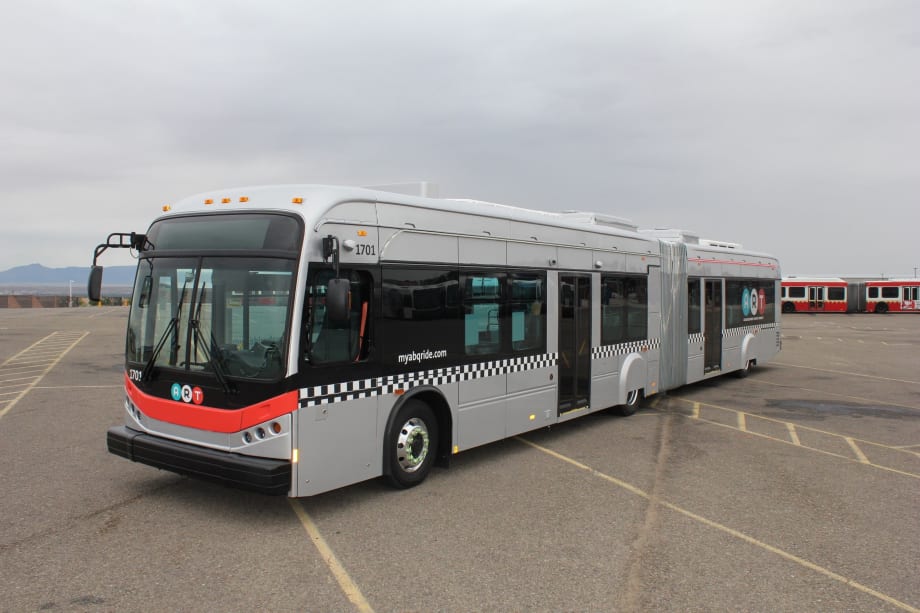
Nicknamed ART, the new system includes 19 level-boarding transit stations and addresses service deficiencies in one of the city’s most congested corridors: Central Avenue. Photo: ART
Nicknamed ART, the new system includes 19 level-boarding transit stations and addresses service deficiencies in one of the city’s most congested corridors: Central Avenue. Photo: ART
Albuquerque Rapid Transit (ART) is the first-ever, bus rapid transit system in the U.S. to receive the coveted Gold Standard from the Institute for Transportation and Development Policy (ITDP) the highest internationally recognized standard for BRT systems.
The ITDP uses its Bus Rapid Transit Standard to evaluate BRT corridors worldwide. This is based on different, commonly-shared criteria that recognizes BRT systems with either Bronze, Silver or Gold rankings. The ART system is now the only recognized Gold Standard-rated BRT system in the U.S.
According to the ITDP, the BRT Standard evaluates BRT corridors with a wide range of metrics to establish what BRT basics are. Particularly high-quality corridors are then recognized with either Bronze, Silver or Gold Rankings.
Albuquerque Rapid Transit, as well as other BRT systems around the world, were graded in 30 different categories with up to 100 points possible. For instance, some of the criteria included:
BRT Basics, such as off-board fare collection, dedicated right of ways and platform level boarding;
Service Planning, such as hours of operation and location in top ten corridors;
Infrastructure, such as stations set back from intersections, center stations and minimizing bus emissions;
Stations, such as distances between stations and number of doors on the bus;
Communications, such as passenger information and branding;
Access and Integration, such as pedestrian access and secure bicycle parking;
Points could also be deducted by the ITDP for such things as gaps between the bus floor and the platform and lack of enforcement on the dedicated lanes.
Overall, ART scored a total of 88.5 out of a possible 100 points on the BRT Standard Scorecard, which topped the previous best U.S. total of 76 given to Cleveland’s Health Line. In receiving the Gold Standard, Albuquerque Rapid Transit joins cities in Brazil (Curitiba, Rio de Janeiro, Belo Horizonte), China (Guangzhou, Yichang) Colombia (Bogota, Medellin), Mexico (Guadalajara) and Peru (Lima) in earning the highest possible ranking by the ITDP.
“This rating is the culmination of hard work and planning by Transit and City staff that began in 2011 and will continue into the future,” said Bruce Rizzieri, Director of ABQ RIDE. “But we believe what put us into the Gold Standard was attention to detail; zero-emissions buses and other touches which make ART a world class, Bus Rapid Transit system.”
Along Central Avenue, some 14,000 transit users per day previously boarded both traditional buses and curb side, mixed-flow BRT, accounting for about 40 percent of all transit users in the city. But growing ridership and slow boarding procedures had combined with traffic to reduce on-time performance to unreliable levels.
About 16 miles of sidewalks were replaced or upgraded as part of the project, and new landscaping and pedestrian lighting added signature aesthetic features throughout the corridor. The project also replaced and upgraded signalization at 39 intersections to give priority to BRT vehicles.
Nicknamed ART, the new system includes 19 level-boarding transit stations — four curb side and 15 in the median — and addresses service deficiencies in one of the city’s most congested corridors: Central Avenue.
ART officially launches its service tomorrow, surrounded by elected officials, business leaders and community supporters. Partial service begins to take people to and from Albuquerque’s River of Lights at the BioPark. Full service will begin in this winter.
More Bus
VIA Bus Ridership Grows 10.1% Through August 2026
San Antonio's VIA Metropolitan Transit reported the highest bus ridership growth among major Texas transit systems. Federal Transit Administration data ranked it second among the nation's 50 largest transit systems.
Read More →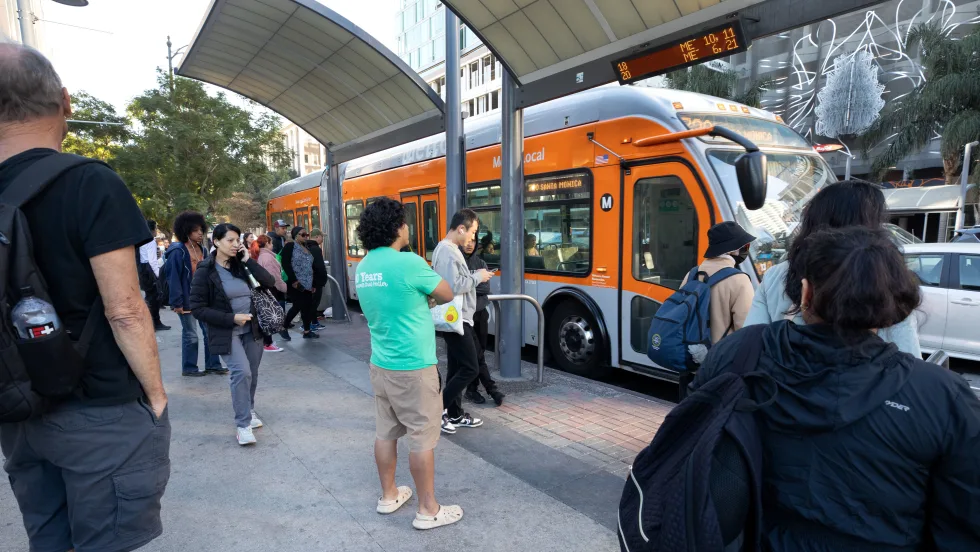
LA Metro September Ridership Climbs 3.9%, Led by Rail Growth
The agency recorded more than 27.2 million boardings, with rail ridership increasing 12.4% year over year and the D Line posting the largest gains.
Read More →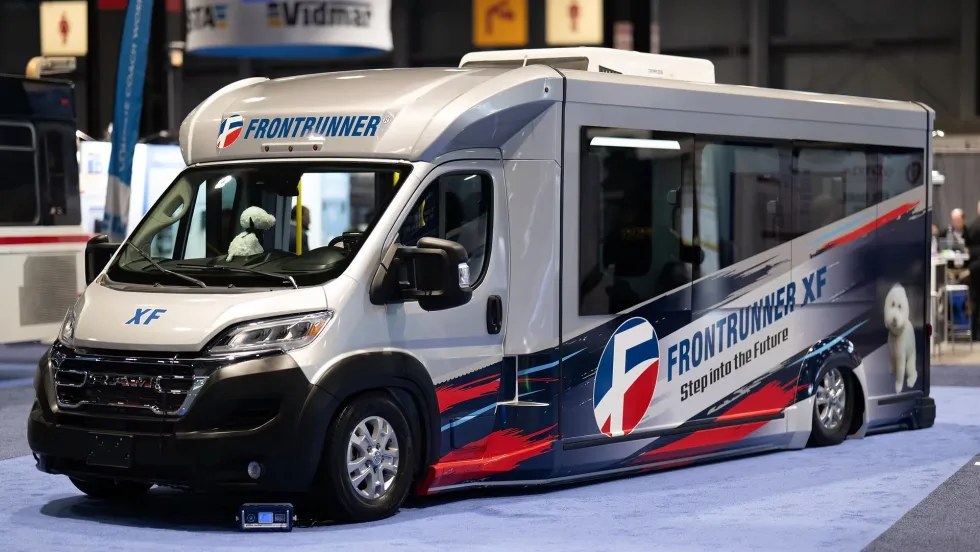
Frontrunner Bus Group Introduces XF Low-Floor Bus with Enhanced Accessibility
The new mid-sized bus features a full flat-floor design, eight-inch curbside step-in height, and zero-entry rear ramp to improve passenger access and operational flexibility.
Read More →
Scenes from APTA TRANSform & EXPO 2026
Transit leaders, manufacturers, and industry professionals gathered in Chicago to explore new technologies, share ideas, and discuss the future of public transportation.
Read More →
More Than a Summer Job: Building the Next Generation of Transit Talent
The Delaware River Port Authority and PATCO have transformed their internship program into a hands-on professional development experience that introduces students to the breadth of transportation careers — and creates a pipeline for future employees.
Read More →
LA Metro Board Awards 220 Battery-Electric Bus Contract to ENC
The contract, which is the largest base award of battery-electric buses by a U.S. transit agency, will be built in Southern California, sustaining good jobs as LA prepares to welcome the world in 2028
Read More →
Public Transit Conference Returning to GFX in 2027, Call for Papers Now Open
The Call for Papers is now open, allowing transit agency professionals and industry experts to help shape the PTC educational program by submitting session ideas for consideration.
Read More →
Indian River Transit’s Community-Focused Approach Earns National Recognition
Named APTA’s 2026 Outstanding Public Transportation System in its size category, Florida’s Indian River County transit system continues to grow ridership through fare-free service and a focus on evolving community needs.
Read More →
ENC Lands MATA Contract and More in Biz Briefs
In this edition of Biz Briefs, we spotlight the latest developments shaping the future of mobility.
Read More →
From Surviving to Thriving: Building Stronger Transportation Organizations
Bus Business Consultants founder Brian Dickson shares lessons on leadership, organizational health, and creating options for long-term success in a changing transportation industry.
Read More →