



LA Metro Board Approves 220 Battery-Electric Bus Contract to ENC
The contract, which is the largest base award of battery-electric buses by a U.S. transit agency, will be built in Southern California, sustaining good jobs as LA prepares to welcome the world in 2028

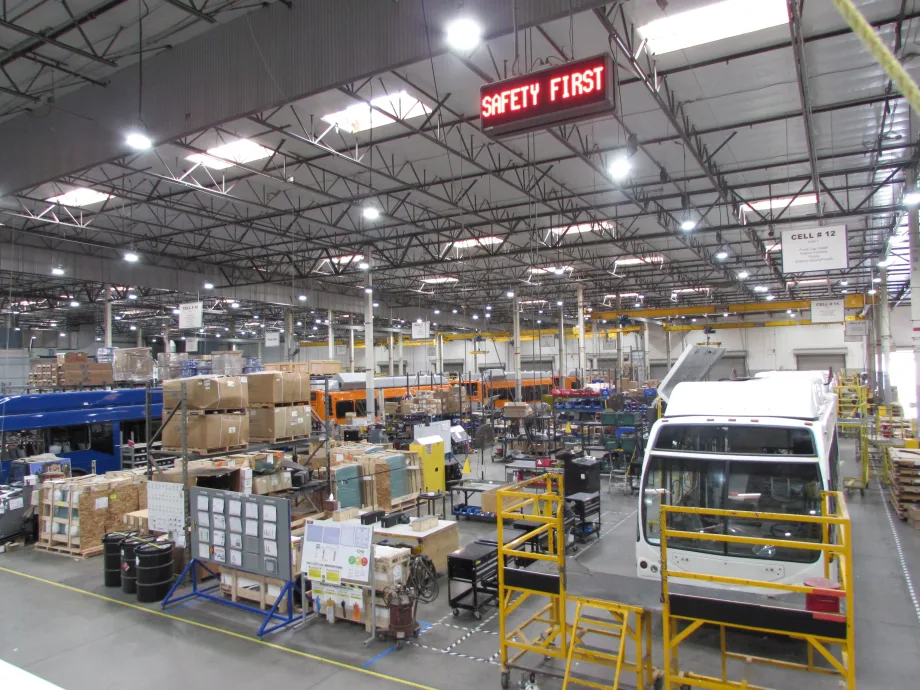
ENC will build every bus at its 227,000-square-foot, ISO 9001-certified facility in Jurupa Valley, California.
ENC
- The LA Metro Board approved a contract for 220 battery-electric buses to be supplied by ENC.
- This contract is the largest base order of its kind by a U.S. transit agency.
- The buses will be manufactured in Southern California, supporting local employment as Los Angeles prepares for the 2028 global event.
*Summarized by AI
The Los Angeles County Metropolitan Transportation Authority (Metro) board approved the award of 220 40-foot AXESS EVO-BE battery-electric transit buses to ENC, a subsidiary of Rivaz Inc.
Approved on September 24, it is the largest base award of 40-foot battery-electric transit buses by a U.S. transit agency.
"Metro's decision reflects confidence in our people, our product, and our ability to deliver at scale," said Jason Lee, ENC’s CEO. "We commend Stephanie Wiggins and the Metro team for the steady leadership that is moving Los Angeles County toward a cleaner, more modern transit system. ENC is ready to work with Metro on the next steps at full speed."
LA’s New ENCs
ENC will build every bus at its 227,000-square-foot, ISO 9001-certified facility in Jurupa Valley, California. More than 300 Californians work at ENC’s facility, handling every stage of production from frame welding and painting to final assembly and testing, company officials said.
“Los Angeles County riders deserve clean, reliable transit and this award moves our region closer to a zero-emission bus fleet that brings cleaner air to the neighborhoods we serve,” said Metro CEO Stephanie Wiggins. “This investment will create good-paying jobs, strengthen our local economy, and provide our riders with more reliable service for years to come.”
The AXESS EVO-BE® is ENC's next-generation battery-electric heavy-duty transit bus. It pairs the BAE Systems® Gen3 electric drive system with up to 738 kWh of energy storage. Altoona-tested and built on ENC's 304-grade stainless steel structure, it is available in 33-, 35-, and 40-foot configurations, each fully ADA-compliant with configurable floorplans designed to serve diverse community needs.
"An award of this scale is built on trust, and we intend to keep earning it every day," said John Obert, VP, Transit Sales, at ENC. "Our California team will build these buses close to the communities they serve, with the quality and reliability Metro riders count on. We are proud of the good jobs this work represents for hundreds of Californians, and of the role these buses will play in how Los Angeles County moves."
ENC Invests in California Production and Growth
ENC has manufactured transit buses in California since 1975 and has reinvested since Rivaz assumed ownership in 2024. The company has committed more than $50 million to facility upgrades, workforce development, and production readiness.
ENC offers clean diesel, CNG, diesel-electric hybrid, and battery-electric buses from its Jurupa Valley, Calif facility. The manufacturer is also planning to expand annual production capacity from its historical 250 to 300 buses to as many as 800 to 1,000 buses within four to five years.
Quick Answers
The LA Metro Board approved a contract to procure 220 battery-electric buses from ENC.
*Summarized by AI
More Zero Emissions

Public Transit Conference Returning to GFX in 2027, Call for Papers Now Open
The Call for Papers is now open, allowing transit agency professionals and industry experts to help shape the PTC educational program by submitting session ideas for consideration.
Read More →
Report: Transit Bus Manufacturing Supports 34,100 Jobs, $5.1B in GDP
The “Buses Mean Business” report examines the transit bus manufacturing industry’s economic footprint, supply chain, and rising demand for vehicle replacements.
Read More →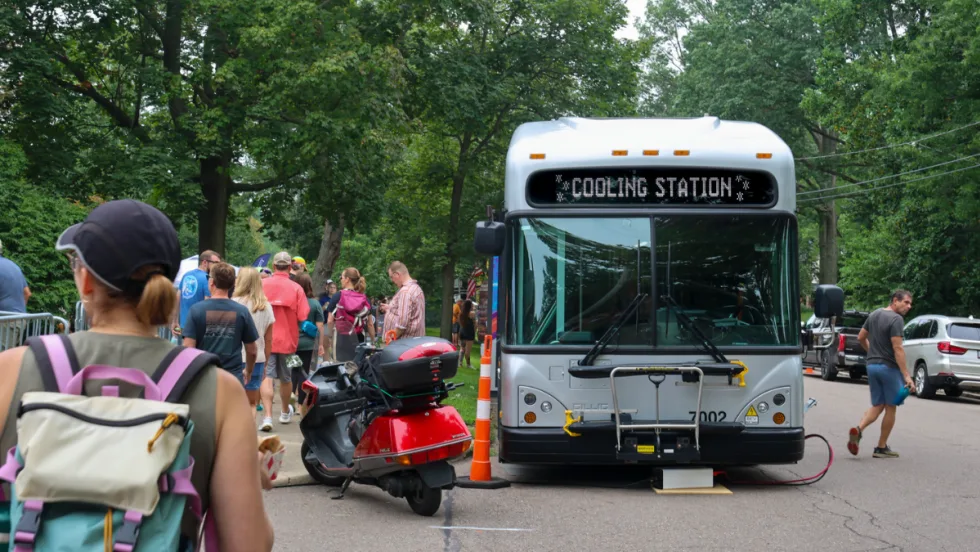
Ohio’s METRO RTA Turns Electric Buses into Mobile Power Sources at PorchROKR
See how three Gillig battery-electric buses powered festival stages while the agency’s new Park & Ride service carried approximately 1,000 attendees, demonstrating another potential use for transit agencies’ electric fleets.
Read More →
CALSTART and Forth Combine to Form Catalyst Mobility
The new name represents a renewed vision for the nonprofit focused on advancing clean, equitable, and affordable transportation solutions that move people and goods.
Read More →
Building a Flexible Path to Transit Electrification
John Hroncich discusses BAE Systems’ modular and scalable approach, lessons learned from decades of real-world operations, and how agencies can identify electrification strategies that fit their fleets.
Read More →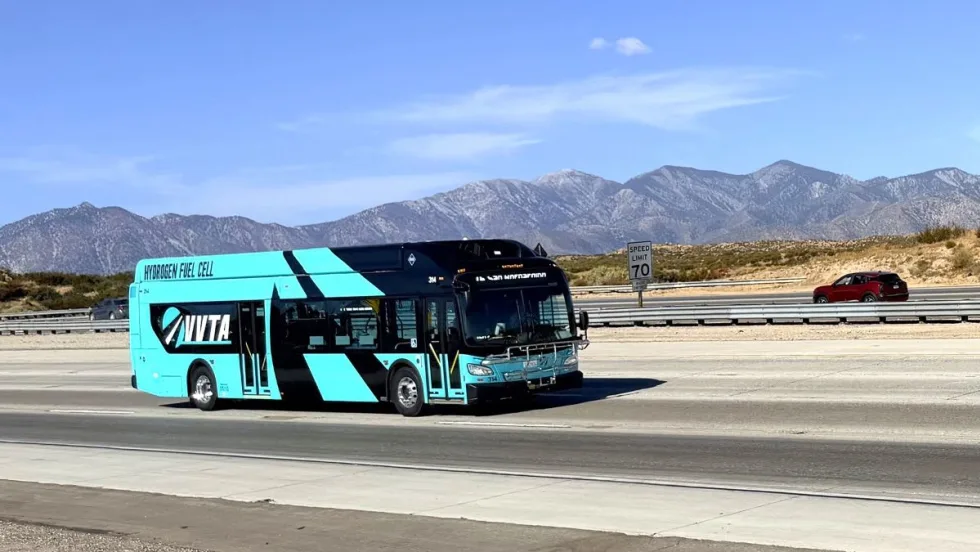
California's VVTA Begins Phased Rollout of Hydrogen Fuel Cell Buses
The agency is introducing 13 zero-emission buses into revenue service while evaluating performance across its urban, rural, and long-distance routes.
Read More →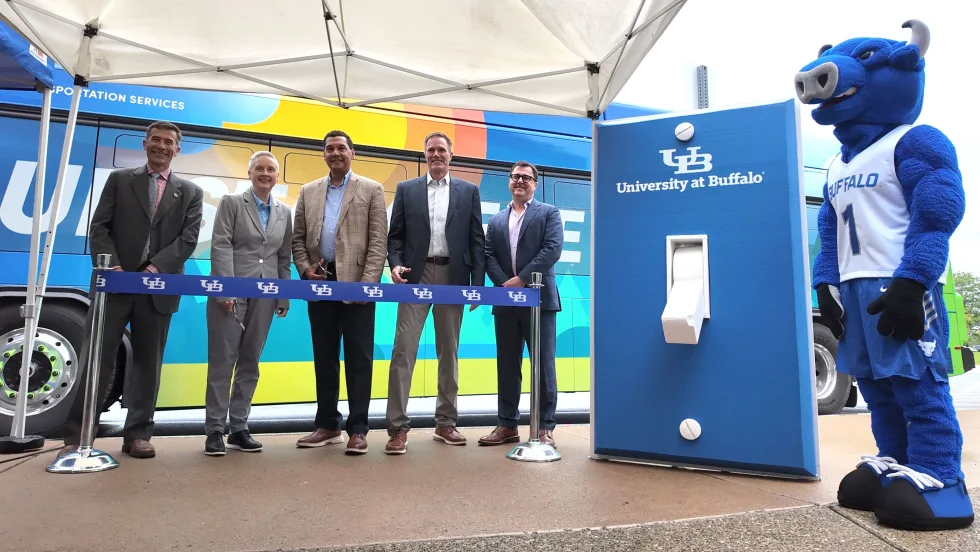
Inside Look: University at Buffalo Puts First 8 Electric Buses Into Stampede Service
UB, transportation solutions provider WeDriveU, and fleet electrification specialist Zenobē marked the deployment in the presence of students, university administrators, and local officials.
Read More →
Biz Briefs: OCTA Taps Clean Energy for Hydrogen Station, Stadler to Supply Via Rail Vehicles, and More
From manufacturers and suppliers to transit agencies and motorcoach operators, these updates offer a snapshot of the projects, partnerships and business moves driving the industry forward.
Read More →
AC Transit’s Cecil Blandon on Building the Next Generation of Transit Maintenance Leaders
The agency’s maintenance chief discusses leadership, workforce development, zero-emission technology, and preparing technicians for the future of public transportation.
Read More →
CTDOT Taps STV for Electric Bus Facility Design
The firm will work with CTDOT and RVT to define the facility layout, operational requirements, and long-term flexibility for RVT’s growing electric fleet.
Read More →