



Microvast launches next-generation batteries for electric-mobility applications
The technology offers 41% greater energy density than the company’s previous generation (LpCO) batteries, reducing cost and space requirements.

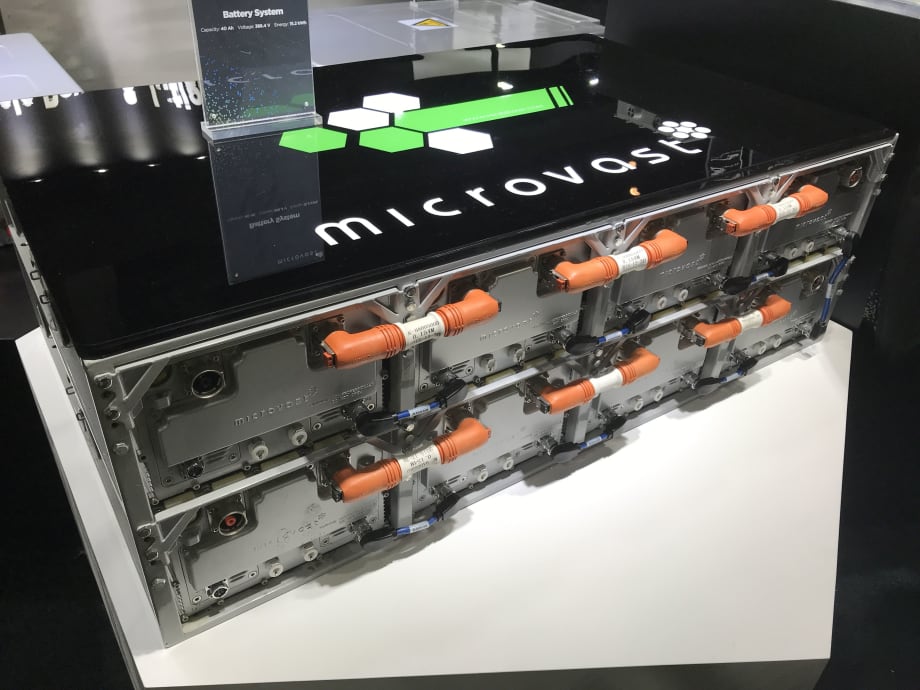
Microvast’s Gen 3 MpCO battery can be fully recharged within 15 minutes, with a high-cycle lifetime that fits the typical operating life of the buses themselves.
Microvast’s Gen 3 MpCO battery can be fully recharged within 15 minutes, with a high-cycle lifetime that fits the typical operating life of the buses themselves.
Microvast, an advanced electric vehicle power solution provider, announced the North American availability of its next-generation fast-charging MpCO lithium-ion batteries for e-mobility applications, such as electric buses.
Microvast’s Gen 3 MpCO battery can be fully recharged within 15 minutes, with a high-cycle lifetime that fits the typical operating life of the buses themselves. The technology offers 41% greater energy density than the company’s previous generation (LpCO) batteries, reducing cost and space requirements.
“After considerable success and proven performance in China, we are excited to offer our third-generation MpCO lithium-ion battery system to the U.S. market,” said Lance Deng, head of U.S. operations for Microvast. “With higher energy density and better performance at a lower cost, our MpCO technology incorporates significant improvements over our previous generation. The standardized battery module also enhances production capability and quality.”
RELATED: Microvast delivers record number of electric buses in 2016
Microvast is a fully vertically integrated battery manufacturer. Its capabilities extend from core battery chemistry, including cathode and anode materials, electrolyte, and membrane separators, to various application technologies, including battery management systems (BMS) and other power control electronics. By integrating the process from raw material to system assembly, the company can provide high-quality customized solutions with reduced project development times.
Microvast will reach 4 GWh of production capacity by the end of 2017 and is expanding its manufacturing facility to provide 11 GWh of additional capacity. To date, the company has supplied more than 18,000 hybrid and fully electric buses with battery systems, operating in more than 150 cities across six countries with over one billion miles traveled.
Microvast will be showcasing its new MpCO battery technology at the APTA EXPO in Atlanta from October 9-12 (booth #8327).
More Technology
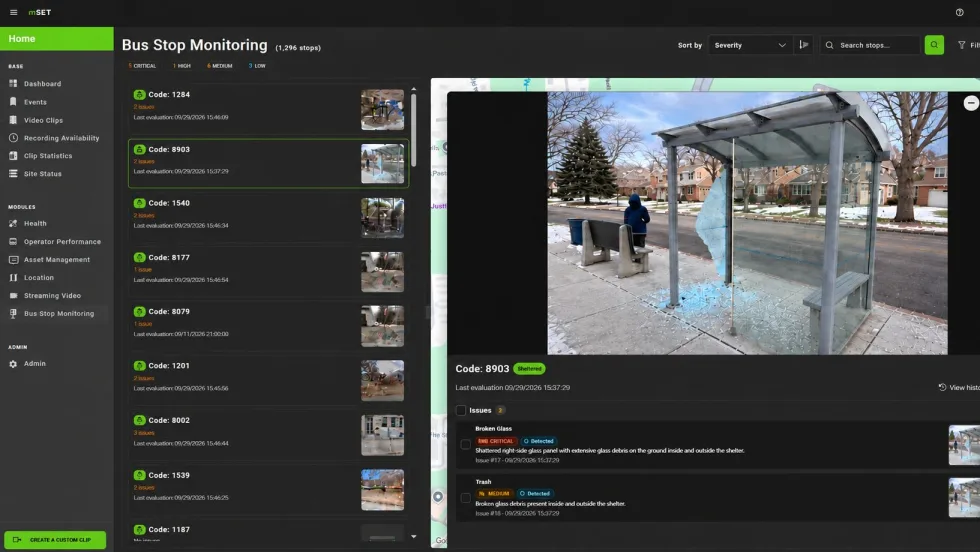
Biz Briefs: Luminator Launches AI Technology to Monitor Bus Stop Conditions and More
In METRO's latest installment, we also take a look at recent news from Masabi, Troman Industries, ioki, CCW, and more partnerships making headlines across the transportation sector.
Read More →
Public Transit Conference Returning to GFX in 2027, Call for Papers Now Open
The Call for Papers is now open, allowing transit agency professionals and industry experts to help shape the PTC educational program by submitting session ideas for consideration.
Read More →
ENC Lands MATA Contract and More in Biz Briefs
In this edition of Biz Briefs, we spotlight the latest developments shaping the future of mobility.
Read More →

Strada360’s Steve Lassey on Turning Transit Data Into Better Decisions
From breaking down data silos to preparing for AI, Strada360 CEO Steve Lassey discusses how transit agencies can use technology to improve operations, customer information, and long-term decision-making.
Read More →
Almaviva Looks to Open Architecture to Advance Transit Technology
Eric Reese discusses how interoperability, open architecture, and modular design can help transit agencies control costs, reduce vendor lock-in, and upgrade technology without starting over.
Read More →
Driving Smarter Paratransit
John Hanlon shares how AlphaRoute is leveraging AI-powered technology to help paratransit providers optimize operations, support frontline staff, and enhance the rider experience.
Read More →
From Hardware to Digital Partner: Luminator Charts Its Next Chapter
CEO Magnus Friberg discusses Luminator’s shift toward becoming a digital partner, the growing importance of software and interoperability, and how AI can help agencies improve operations and passenger experience.
Read More →
Beyond the Checklist: A Structured Approach to Transit Maintenance
Reliability-Centered Maintenance helps transit agencies move beyond routine checklists to focus limited resources on the assets and failures that have the greatest impact on safety, reliability, and service.
Read More →
NJ TRANSIT Advances Bus Technology Upgrades Across Statewide Fleet
More than 1,500 buses now feature upgraded technology designed to improve arrival predictions and provide free Wi-Fi, with deployment expected to reach nearly 2,000 buses by the end of 2026.
Read More →
Building a Flexible Path to Transit Electrification
John Hroncich discusses BAE Systems’ modular and scalable approach, lessons learned from decades of real-world operations, and how agencies can identify electrification strategies that fit their fleets.
Read More →