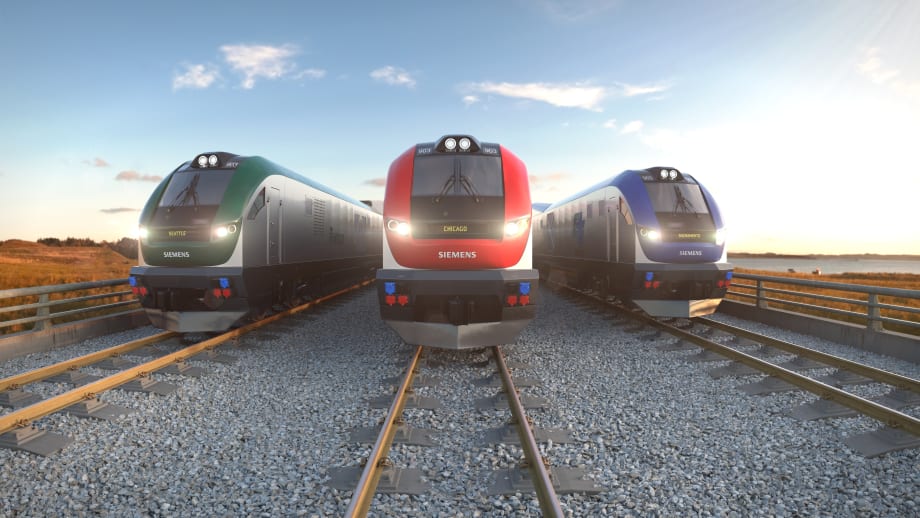
The transaction brings together two players of the railway market with unique customer value and operational potential. The corporate name of the combined group will be Siemens Alstom.
In a combined setup, Siemens and Alstom expect to generate annual synergies of approximately $554 million latest in year four post-closing and targets net-cash at closing between $589 million to $1.1 billion.
3 min to read
Siemens and Alstom signed a Memorandum of Understanding to combine Siemens’ mobility business, including its rail traction drives business, with Alstom. The transaction brings together two players of the railway market with unique customer value and operational potential.
Siemens will receive newly issued shares in the combined company representing 50% of Alstom’s share capital on a fully diluted basis.
Ad Loading...
“This Franco-German merger of equals sends a strong signal in many ways. We put the European idea to work and together with our friends at Alstom, we are creating a new European champion in the rail industry for the long term. This will give our customers around the world a more innovative and more competitive portfolio,” said Joe Kaeser, president/CEO of Siemens AG. “The global marketplace has changed significantly over the last few years. A dominant player in Asia has changed global market dynamics and digitalization will impact the future of mobility. Together, we can offer more choices and will be driving this transformation for our customers, employees, and shareholders in a responsible and sustainable way.”
“Today is a key moment in Alstom’s history, confirming its position as the platform for the rail sector consolidation. Mobility is at the heart of today’s world challenges. Future modes of transportation are bound to be clean and competitive,” said Henri Poupart-Lafarge, chairman/CEO of Alstom SA. “Thanks to its global reach across all continents, its scale, its technological know-how, and its unique positioning on digital transportation, the combination of Alstom and Siemens Mobility will bring to its customers, and ultimately to all citizens, smarter and more efficient systems to meet mobility challenges of cities and countries. By combining Siemens Mobility’s experienced teams, complementary geographies, and innovative expertise with ours, the new entity will create value for customers, employees, and shareholders.”
Closing is expected at the end of calendar year 2018.
The new entity will benefit from an order backlog of approximately $72.1 billion, revenue of approximately $17.6 billion, an adjusted EBIT of approximately $1.4 billion, and an adjusted EBIT-margin of 8%, based on information extracted from the last annual financial statements of Alstom and Siemens.
In a combined setup, Siemens and Alstom expect to generate annual synergies of approximately $554 million latest in year four post-closing and targets net-cash at closing between $589 million to $1.1 billion. Global headquarters, as well as the management team for rolling stock, will be located in Paris area and the combined entity will remain listed in France. Headquarters for the Mobility Solutions business will be located in Berlin. In total, the new entity will have 62,300 employees in over 60 countries.
The businesses of the two companies are largely complementary. The combined entity will offer a significantly increased range of diversified product and solution offerings to meet multi-facetted, customer-specific needs, from cost-efficient mass-market platforms to high-end technologies. The global footprint enables the merged company to access growth markets in Middle East and Africa, India, and Middle and South America where Alstom is present, and China, the U.S., and Russia where Siemens is present. Customers will significantly benefit from a well-balanced larger geographic footprint, a comprehensive portfolio offering, and significant investment into digital services, according to a joint press release. The companies added that the combination of know-how and innovation power of both companies will drive crucial innovations, cost efficiency, and faster response, which will allow the combined entity to better address customer needs.
In a combined setup, Siemens and Alstom expect to generate annual synergies of approximately $554 million latest in year four post-closing and targets net-cash at closing between $589 million to $1.1 billion.
The Board of Directors of the combined group will consist of 11 members and will be comprised of six directors designated by Siemens, one of which being the chairman, four independent directors, and the CEO. To ensure management continuity, Henri Poupart-Lafarge, will continue to lead the company as CEO and will be a board member. Jochen Eickholt, CEO of Siemens Mobility, shall assume an important responsibility in the merged entity. The corporate name of the combined group will be Siemens Alstom.
Closing is expected at the end of calendar year 2018.
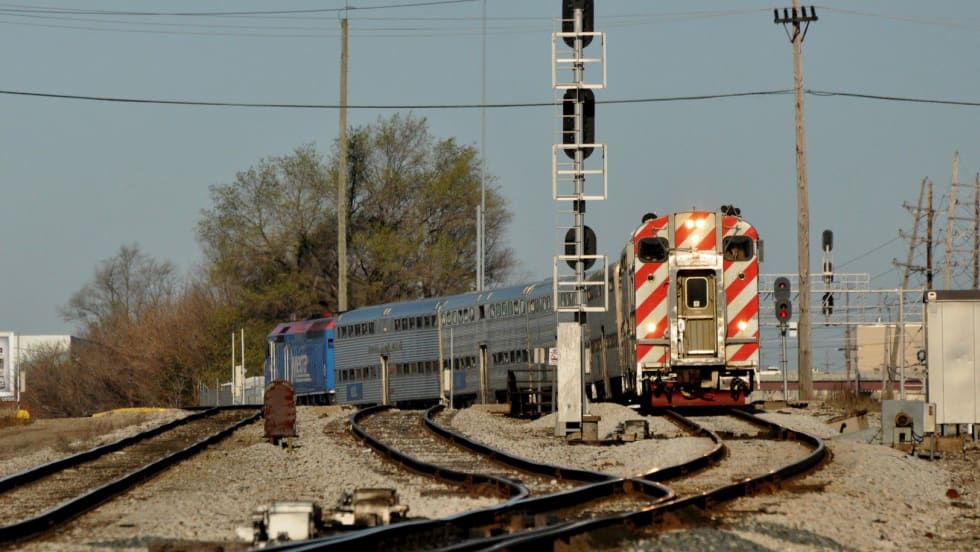
In addition to new projects, progress continues on a multiyear effort to upgrade track, electrical, and signal systems on the Metra Electric Line to accommodate the expansion of service on the South Shore Line.
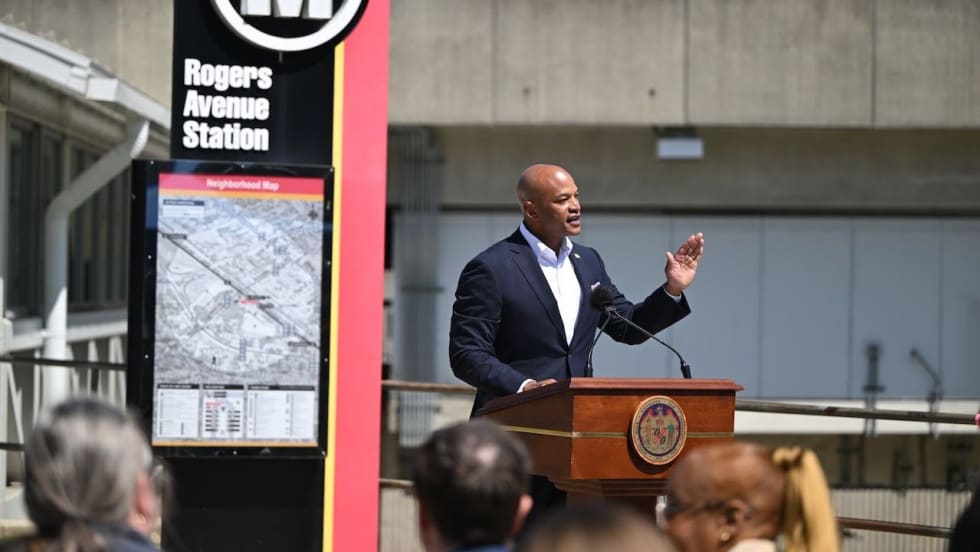
The Maryland Transit Administration is advancing the nearly $1.4 billion Light Rail Modernization Program, which modernizes the Baltimore Central Light Rail Line from Hunt Valley to BWI Thurgood Marshall Airport with new, low-floor vehicles and upgrades to all light rail stations, systems, and maintenance facilities.
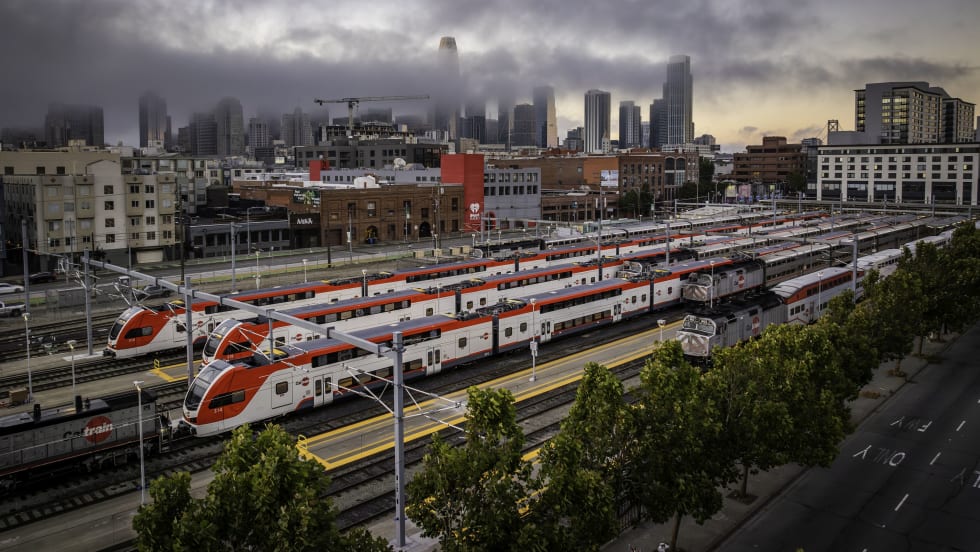
The Peninsula Corridor Joint Powers Board recently met for a budget workshop, during which staff outlined the significant service reductions Caltrain could be forced to make without new external funding.
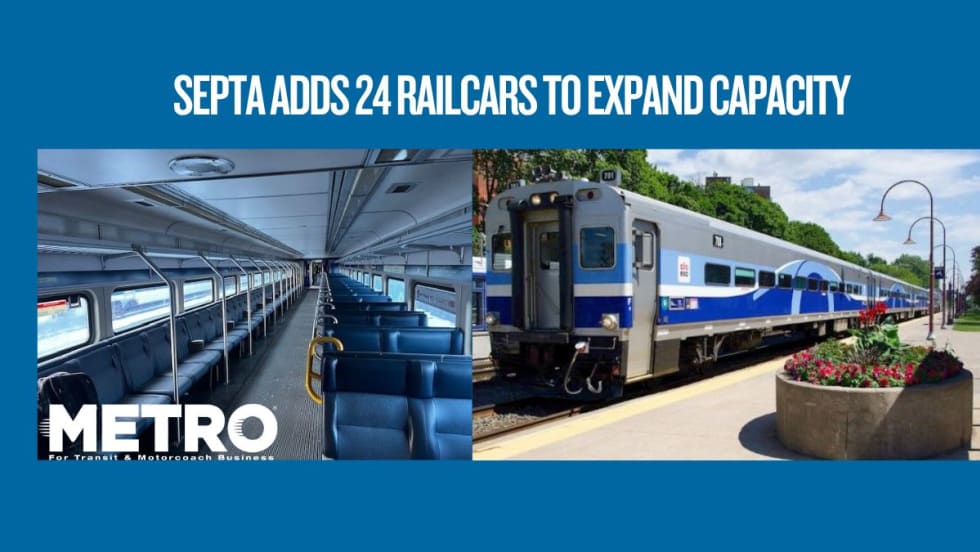
Funding for the purchase of the railcars comes from the nearly $220 million in additional capital dollars Gov. Josh Shapiro allocated in November 2025 to support urgent safety upgrades and infrastructure improvements.
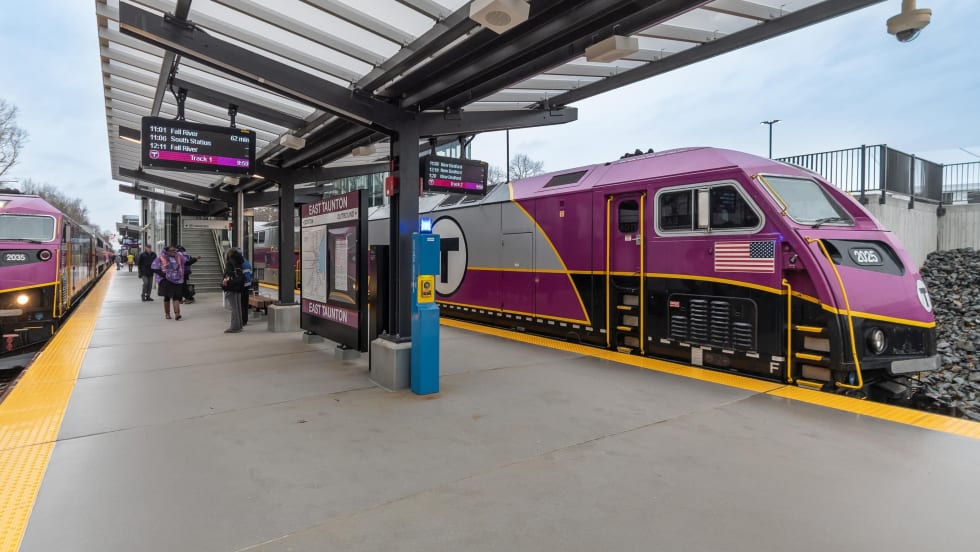
With major events and increased travel expected across the state this summer, the Administration is focused on making sure people have a reliable, affordable alternative to driving so we can reduce congestion, support daily commuters, and keep Massachusetts moving.
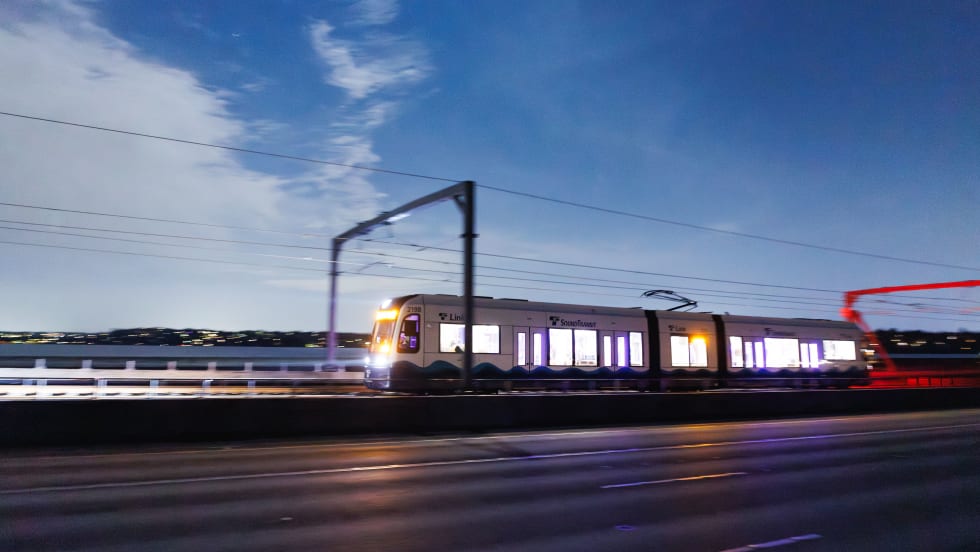
The final seven-mile segment of the 2 Line includes new stations at Mercer Island and Judkins Park and connects to the 1 Line at the International District/Chinatown Station. The Link light rail system now spans 63 miles and includes 50 stations.
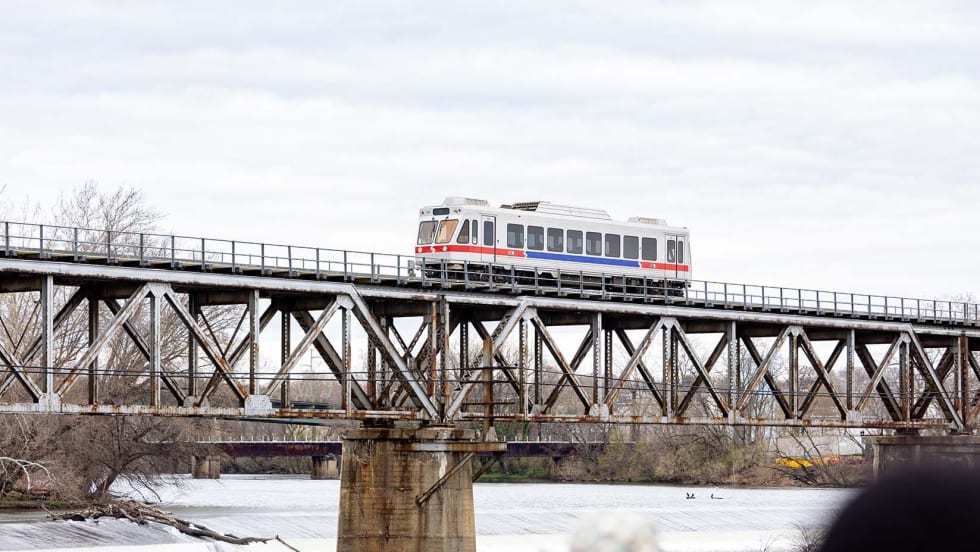
From March 29 through May 9, shuttle buses will replace train service between Bridgeport Station and Norristown Transit Center. Train service will operate as normal between Bridgeport Station and 69th Street Transit Center.