Calif.'s Omnitrans introduces Token Transit mobile fare payment app
The transit agency expects that as customers switch from traditional paper passes to mobile fares, it will be able to save on printing and outlet distribution costs.
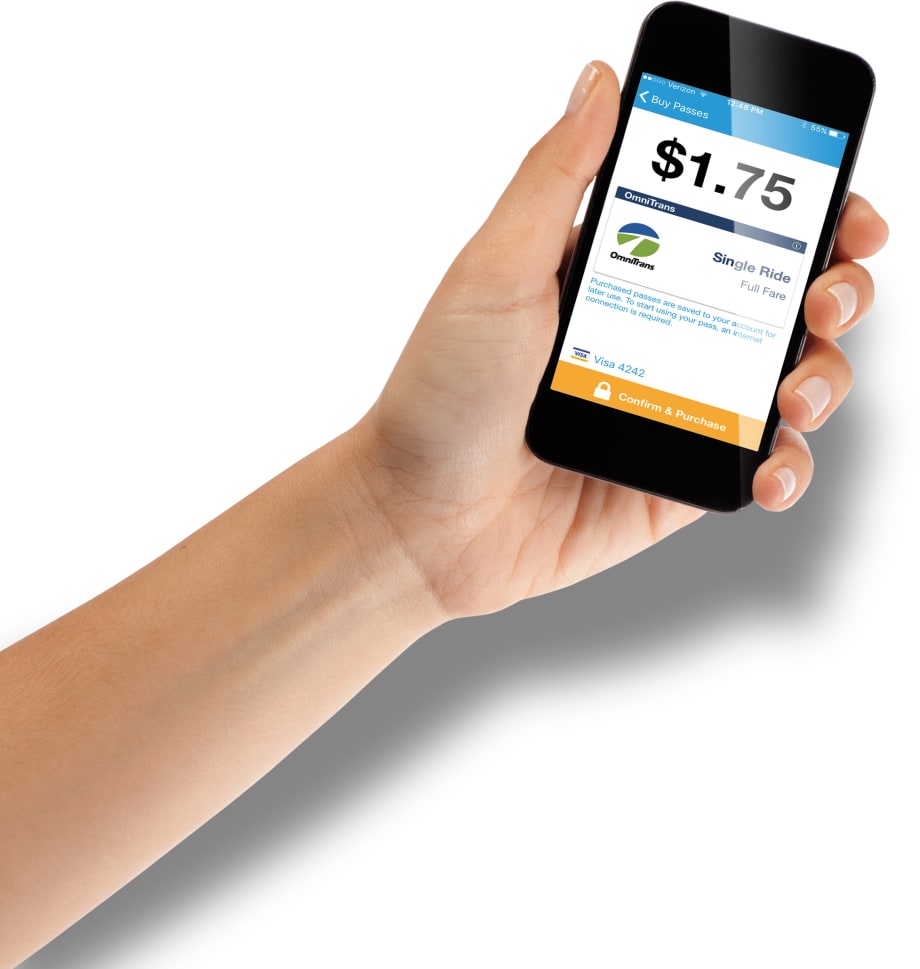
Over 20% of non-riders surveyed in spring 2017 indicated that the ability to pay by phone was an amenity that would entice them to use Omnitrans. Photo: Omnitrans
2 min to read
Over 20% of non-riders surveyed in spring 2017 indicated that the ability to pay by phone was an amenity that would entice them to use Omnitrans. Photo: Omnitrans
San Bernardino Valley, Calif.-based Omnitrans, launched a new mobile fare payment partnership with Token Transit, offering riders the ability to go cashless when purchasing ride passes.
Riders first need to download the free Token Transit app, and then set up an account tied to a credit or debit card. Purchasing and activating a pass takes seconds and riders only need show the driver their phone displaying an active pass to board.
Ad Loading...
Over 20% of non-riders surveyed in spring 2017 indicated that the ability to pay by phone was an amenity that would entice them to use Omnitrans. The transit agency already offers real-time arrival information and online trip planning via smartphone through the free Omnitrans mobile app and the agency’s mobile-friendly website, www.omnitrans.org.
The Token Transit app is available through Google Play and the App Store. Also, texting “TOKEN” to 41411 will generate a download link.
All fare categories are available for mobile purchase including single-ride, one-day, 7-day, and 31-day passes for full-fare and reduced-fare customers.
“To encourage customers to give it a try, we are offering half off their first 7-day or 31-day pass purchase through December 31 of this year,” said Wendy Williams, Omnitrans director of marketing and planning.
Regular bus fares are $1.75 for a single ride, $5 for a 1-day pass, $18 for a 7-day pass and $55 for a 31-day pass. Discounted fares are offered for seniors age 62 and up, people with disabilities, military veterans, and youth age 18 and under.
Ad Loading...
Aside from the convenience for customers, on board mobile fare transactions are four to five times quicker than inserting bills and coins into the fare box. This helps keep buses running on time.
Currently, about one-third of Omnitrans boardings involve a cash transaction. The transit agency expects that as customers switch from traditional paper passes to mobile fares, it will be able to save on printing and outlet distribution costs.
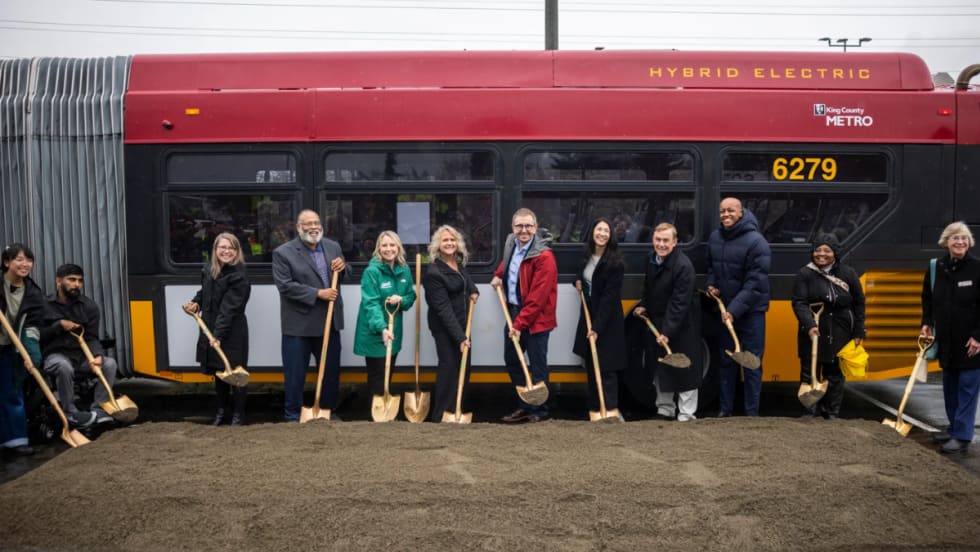
Complete Parts features new branding with a new logo, a new contact telephone number, a dedicated order desk, enhanced processes and inventory, all designed to provide the parts bus operations need.
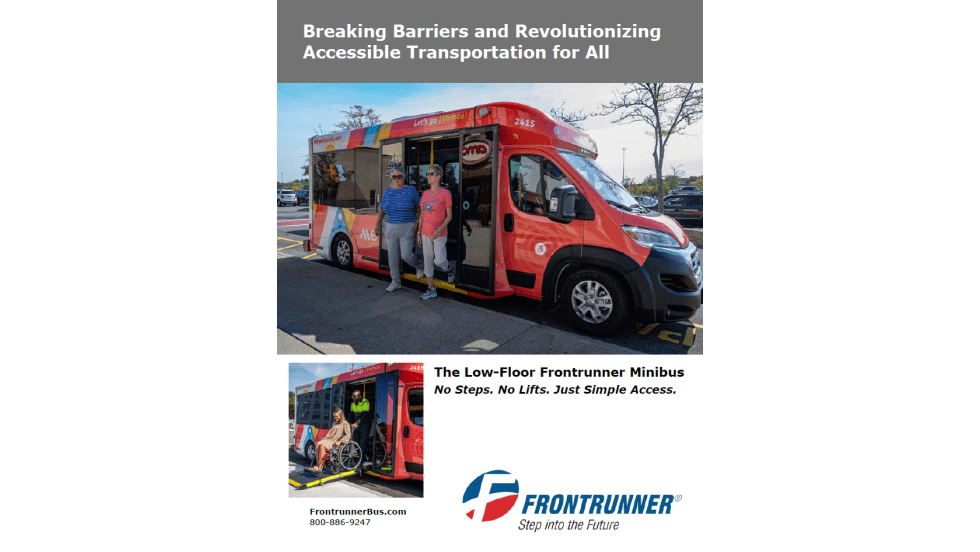
Accessible transit isn’t a feature—it’s a responsibility. This whitepaper explores how the Low-Floor Frontrunner is redefining mobility with a breakthrough design that removes barriers, empowers riders, and delivers measurable operational advantages for agencies. Discover why this next generation minibus is setting a new standard for inclusive transportation.
SEPTA was awarded $43 million in competitive grant funding from the FTA's FY25 Low and No Emission and Bus and Bus Facilities grant programs to support this procurement.
In part 1 of a two-part conversation, AC Transit’s director of maintenance joins co-hosts Alex Roman and Mark Hollenbeck to discuss his journey from the U.S. Marines to public transit and the role mentorship plays in developing the next generation of industry leaders.
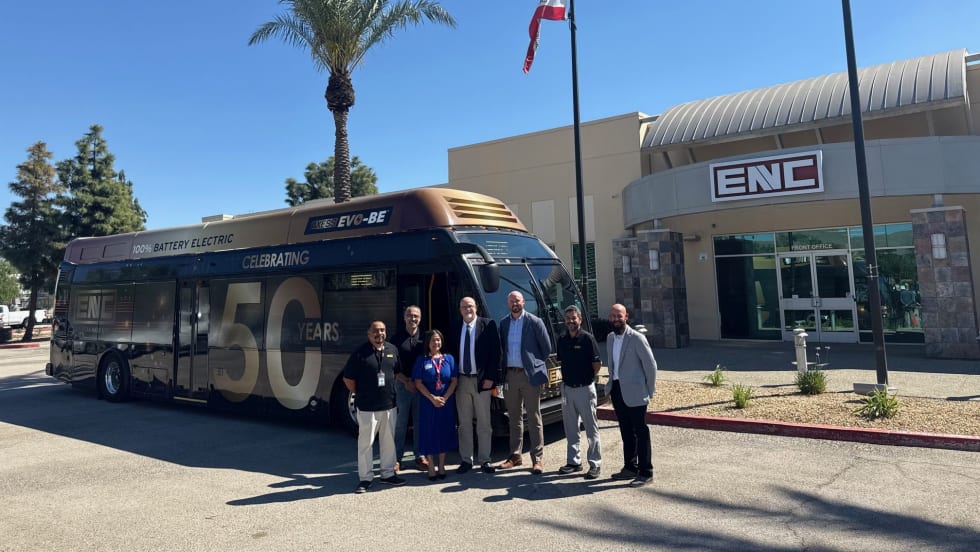
When construction is complete, battery-electric buses will operate from the Arborway facility on Day One, providing cleaner, quieter, and more reliable service for riders, the MBTA said. After completion, the old facility will be demolished, and the land will be made available for redevelopment.
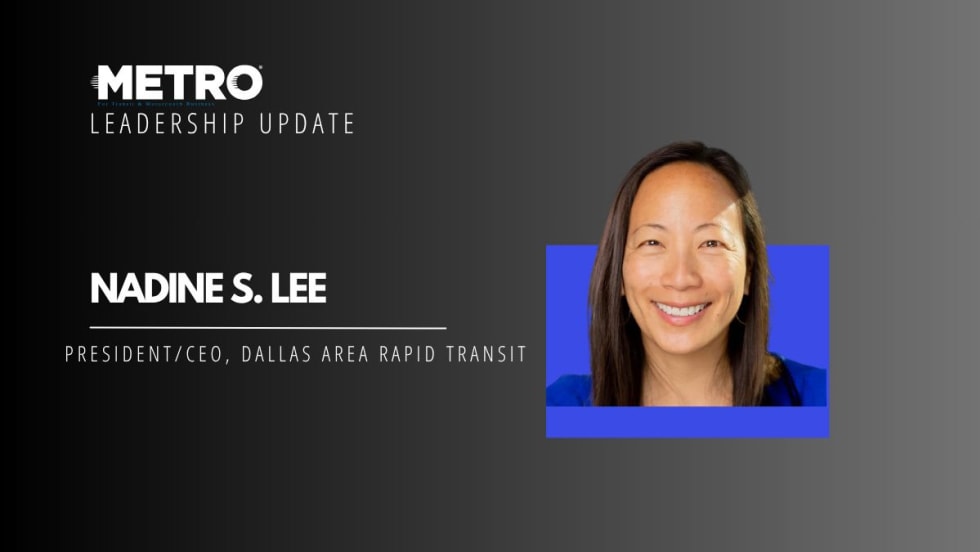
Nadine S. Lee, who has served as president/CEO since July 2021, said the decision comes after careful reflection on the agency’s progress and its path forward.
In this conversation, TBC’s Executive Director Ed Redfern, President Corey Aldridge, and Washington Representative Joel Rubin outline the coalition’s key policy priorities, the challenges facing transit agencies, and how industry stakeholders can work together to strengthen the voice of bus transit at the federal level.
What truly drives the cost of a paratransit fleet? Beyond the purchase price, seven operational factors quietly determine maintenance frequency, downtime, and long-term service reliability. This whitepaper explores how these factors shape lifecycle cost and what agencies should evaluate when selecting paratransit vehicles.