INIT set to open new, modern Chesapeake, Va. headquarters
The grand opening ceremony will include a formal ribbon cutting and guided tours of the 67,000 square foot facility, which was completed in June of 2017 and cost approximately $12.5 million to build.
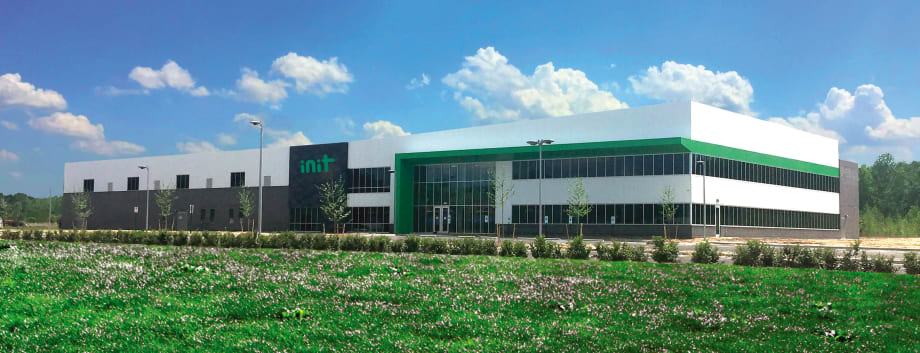
INIT Innovations in Transportation Inc. will celebrate the grand opening of its new North American Headquarters building located at 424 Network Station, Chesapeake, Va., this week.
The grand opening ceremony will include a formal ribbon cutting and guided tours of the 67,000 square foot facility, which was completed in June of 2017 and cost approximately $12.5 million to build. The building is constructed on eight acres of land at the Oakbrooke Business and Technology Center.
Ad Loading...
INIT broke ground for the build out of the modern facility in May of 2016 to establish its roots in the North American market and in Chesapeake, as well as to integrate its formerly separate operations under one roof. The headquarters is now home to around 90 personnel, including 20 manufacturing employees.
“We are very excited to finally have our entire operations under one roof. This modern facility allows us to better serve our North American customers, said INIT President/CEO Roland Staib. “The City of Chesapeake’s Economic Development team was instrumental in helping make our dream home a reality.”
The new facility has consolidated INIT’s warehouses, operations, and two manufacturing firms — Total Quality Assembly LLC (TQA), and Superior Quality Manufacturing (SQM). Altogether, the building features 20,000 square feet of manufacturing space, 20,000 square feet of office space, and a 27,000 square foot warehouse.
The City of Chesapeake’s Economic Development Authority played a vital role in INIT‘s decision to build the new headquarters in Chesapeake, as well as the selection of land. Whiting-Turner Contracting Co. of Chesapeake was chosen as the general contractor, with Tymoff+Moss Architects guiding the design of the building.
INIT established its North American headquarters in Chesapeake in 1999 with a small staff of five from Germany. Since then, the company’s evolution as the worldwide leading supplier of intelligent transportation systems for public transit has swiftly advanced.
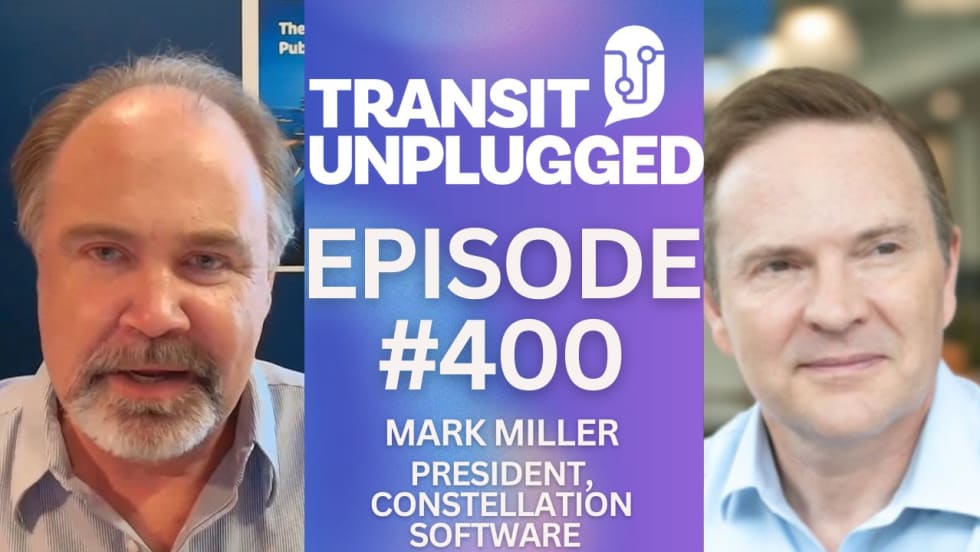
The special episode features an exclusive interview with Mark Miller, president of Constellation Software Inc. and executive chairman of the Volaris Group, who reflects on the podcast's early vision and the importance of creating a platform where transit leaders can share ideas and learn from one another.
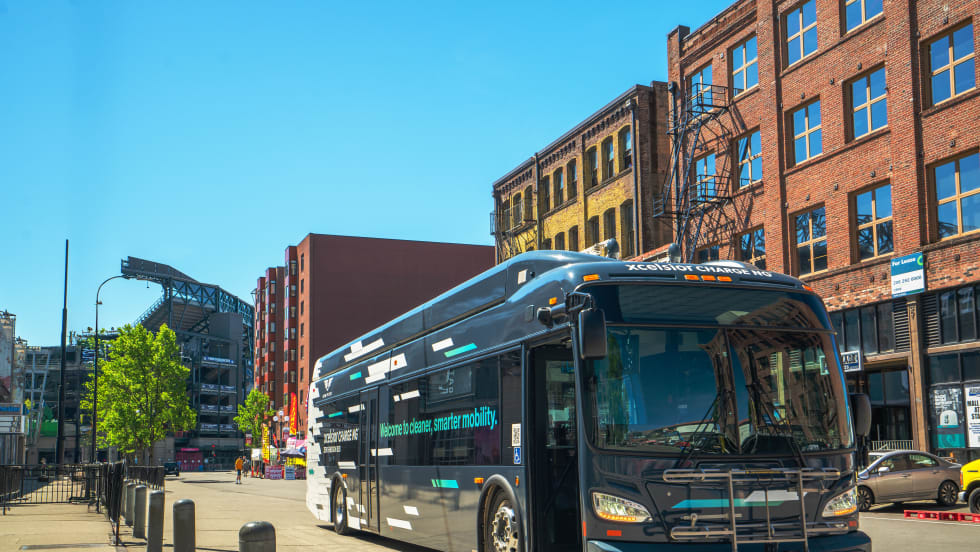
The CAD facility enables NFI to complete full domestic production of heavy-duty transit vehicles, including zero-emission buses, in Winnipeg for the first time in 15 years.
The findings provide clear evidence that sustained Federal investment in public transit and passenger rail delivers significant returns for workers, communities, taxpayers, and the U.S. economy, APTA officials said.
On a recent episode of METROspectives, METRO Magazine’s Executive Editor Alex Roman sat down with Ana-Maria Tomlinson, Director of Strategic & Cross-Sector Programs at the CSA Group, to explore a bold initiative aimed at addressing those challenges: the development of a National Code for Transit and Passenger Rail Systems in Canada.
Over the next four years during the Spanberger Administration, DRPT will use the plan to prioritize funding for human service transportation projects and programs that reduce barriers, expand access, and promote equitable mobility, said department officials.
A new advisory group of current and former city leaders will collaborate on funding strategies, technology deployment, and best practices to modernize U.S. public transit systems.
The LIT Navigate Mentorship Program was launched as a structured, low-cost opportunity for active LIT members, focused on intentional growth, workforce development, mentorship, networking, and education.
Approved as part of WMATA’s Strategic Transformation Plan, the expanded program introduces new pricing and participation options that make it easier for colleges and universities to join and for more students, such as part-time, community college, and graduate students, to benefit from accessible transportation.