




RELATED: LA Metro taps RNL for light rail, bus station improvements
LA Metro taps HDR to design emergency security ops center
As the lead designer, HDR will oversee all aspects of building design, working closely with staff at LA Metro to create plans for the architecture, structures and communication systems.
June 30, 2016
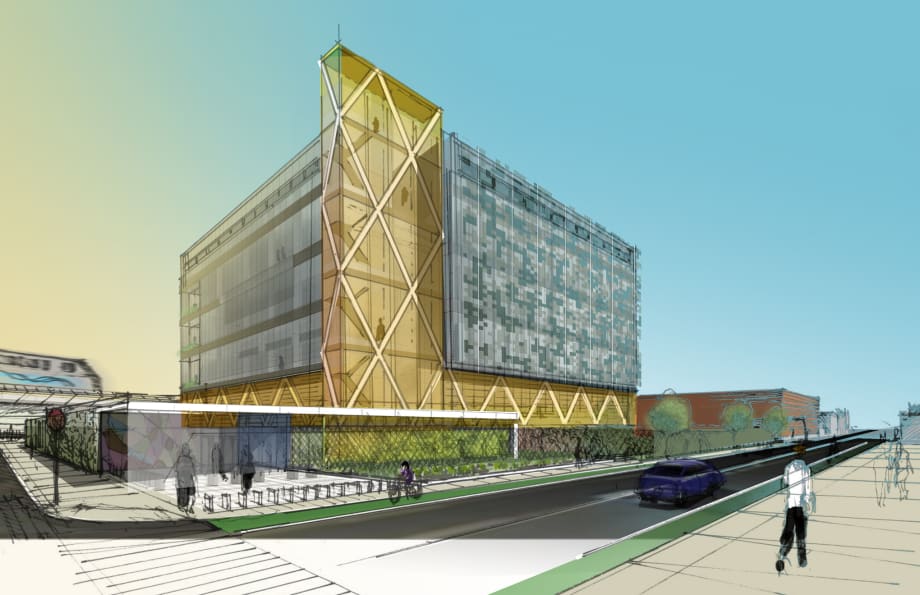
A preliminary schematic rendering prepared by HDR illustrates LA Metro’s future Emergency Security Operations Center.
2 min to read

A preliminary schematic rendering prepared by HDR illustrates LA Metro’s future Emergency Security Operations Center.
Los Angeles Metropolitan Transportation Authority selected HDR as the lead design firm for the first phase of its new Emergency Security Operations Center (ESOC). Planning and design will be completed early in 2017 with construction scheduled to begin in 2018.
At an estimated cost of $112.7 million, the new ESOC facility will be four stories tall and about 100,000 square feet in size with one level of at-grade parking. It is anticipated to meet the requirements of a Leadership in Environmental and Energy Design (LEED)-Gold building. The ESOC will be a secured facility for authorized personnel only and not open to the general public.
As the lead designer, HDR will oversee all aspects of building design, working closely with staff at LA Metro to create plans for the architecture, structures and communication systems. HDR’s decision economics practice is helping LA Metro obtain the best value and most efficient infrastructure solution. The firm’s continuous, comparative, benefit-cost analyses will inform long-term decisions as the project moves forward. HDR’s public outreach program will engage with the community to keep the public informed of the project’s progress.
The ESOC will serve as the primary location to support day-to-day emergency, security and law-enforcement operations for LA Metro. Housed inside will be a combined emergency and security staff who will be better equipped when security concerns or emergencies arise anywhere in LA Metro’s sprawling bus- and rail-transit network. Proposed in phases, the ESOC’s second phase will provide an opportunity to co-locate LA Metro’s bus and rail operation centers, achieving reliable redundancy in the event of a catastrophic event.
“Facilities such as this one are critical for effective emergency prevention and responsiveness to protect civic welfare, and ultimately the continuous operation of the infrastructure,” said HDR Design Principal Moshik Mah.
More Security and Safety

Transit Agencies Highlight Safety Gains at National Summit
Leaders from 15 major transit systems shared crime-reduction results and safety initiatives while discussing the role of continued federal support.
Read More →
DART Launches Major Security, Fare Enforcement Initiative
The 90-day demonstration will deploy coordinated security teams at five light rail stations while testing controlled access and gathering data to guide future investments.
Read More →
RTD Launches NextRide App to Consolidate Trip Planning, Fares, Security Reporting
The app expands on RTD’s existing NextRide web application and allows customers to view real-time vehicle locations and service alerts, purchase and store digital fares, and access customer support.
Read More →

TAPTCO Updates OSHA Compliance Training for Transit Maintenance Operations
The revamped program addresses 26 OSHA standards for maintenance facilities, with TAPTCO pointing to training, documentation, and everyday shop hazards as continuing challenges for transit operations.
Read More →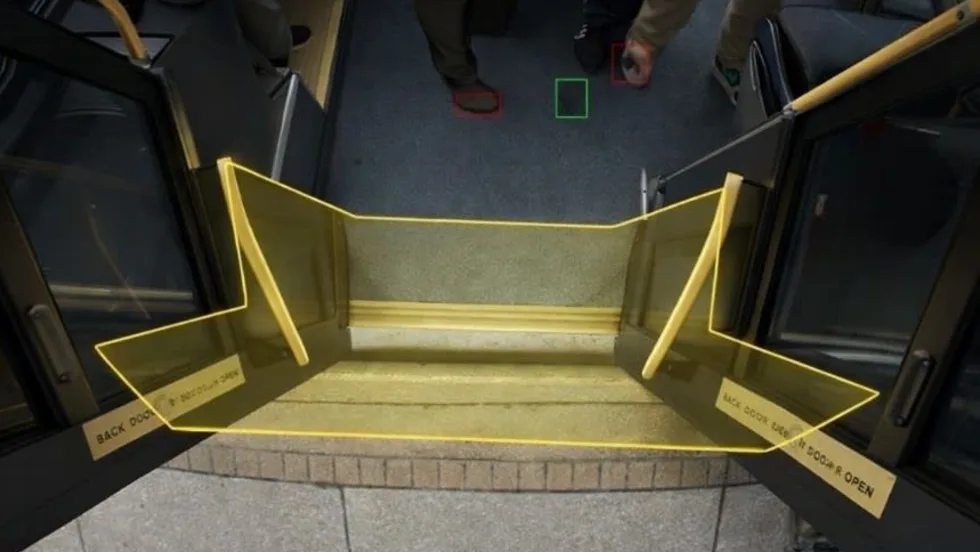
Sponsored•August 18, 2026
How VaporVision Adds Value to Transit Door Systems
Wabtec engineers explain how the system improves doorway detection, strengthens diagnostics and gives transit agencies and OEMs greater operating flexibility.
Read More →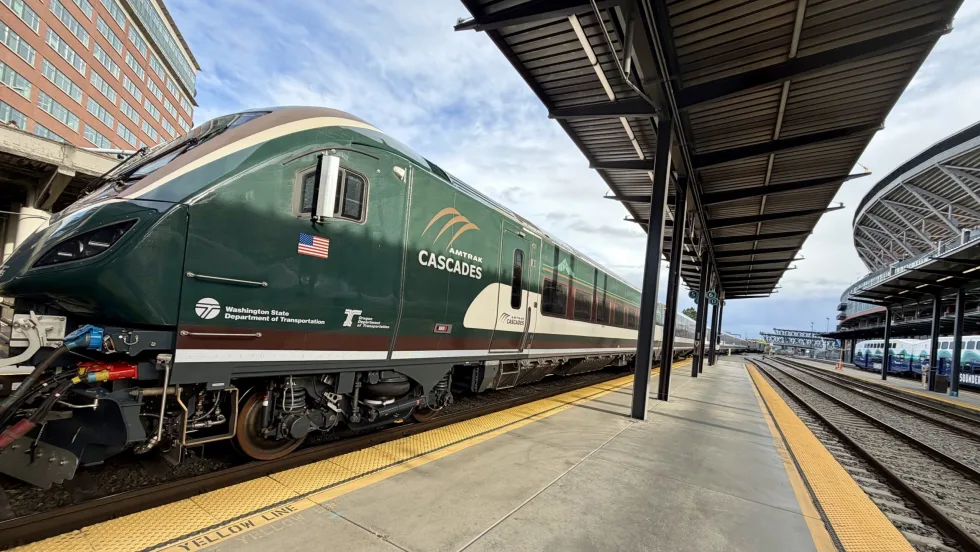
FRA Announces $5.3B in Rail Investments, Including $2B for Amtrak
Funding will support grade-crossing improvements, infrastructure upgrades, and new Amtrak equipment in 23 states.
Read More →
Chicago, Maryland Expand Non-Law-Enforcement Safety, Rider Support
The CTA and MTA are launching new programs aimed at de-escalation, crisis response, rider assistance, and greater transparency.
Read More →
LA Metro, City of West Hollywood, and Partners Advance Smarter Bus Lane Enforcement
The award-winning partnership combines AI-powered detection with human oversight to improve bus reliability, accessibility, and enforcement efficiency.
Read More →
LA Metro Reports 57% Decline in Homelessness on Transit System Since 2024
The agency's latest homelessness count offers new data on how care-based services and cross-sector partnerships can complement traditional transit security strategies.
Read More →
FTA Launches 'Transit Moves America' Dashboard to Highlight Agency Safety and Performance
The online dashboard transforms National Transit Database information into a public-facing resource that allows users to compare transit agencies on key operational and safety metrics.
Read More →