Through its Chinese joint venture SATEE, the company is supplying its metro traction system OptONIX, specifically designed and developed for the Chinese market.
Alstom was awarded a contract by China’s Chengdu Metro Corp Ltd. to supply the traction systems for 288 metro cars due to circulate on Line 3, the city’s new metro line.
The line is being built in three phases, with a first phase to open in August 2016. The contract is for phases 2 and 3 of the line, expected to start its trial run in 2018. When complete, Line 3 will include 37 stations, connecting the suburbs of Chengdu to the center of the city.
Ad Loading...
Through its Chinese joint venture SATEE (Shanghai Alstom Transport Electrical Equipment Co. Ltd.), Alstom is supplying its metro traction system OptONIX, specifically designed and developed for the Chinese market. OptONIX is Alstom's high performance, high reliability traction system specifically developed to improve operational performance and reduce life cycle cost.
Alstom was also in charge of supplying the traction systems for the 144 metro cars that will circulate on the first phase of Line 3. The traction systems for all three phases are being manufactured by SATEE in China and Alstom in France and Belgium, with components supplied by Tarbes and software supplied by Charleroi.
Alstom has supplied traction solutions for 750 metro cars on the Chengdu metro lines, and for 3,400 metro cars of 18 metro lines in 8 cities in China including Beijing, Shanghai, Nanjing, Qingdao and Hong Kong.
Alstom and SATEE have been supplying traction for metro cars in China for more than 15 years.
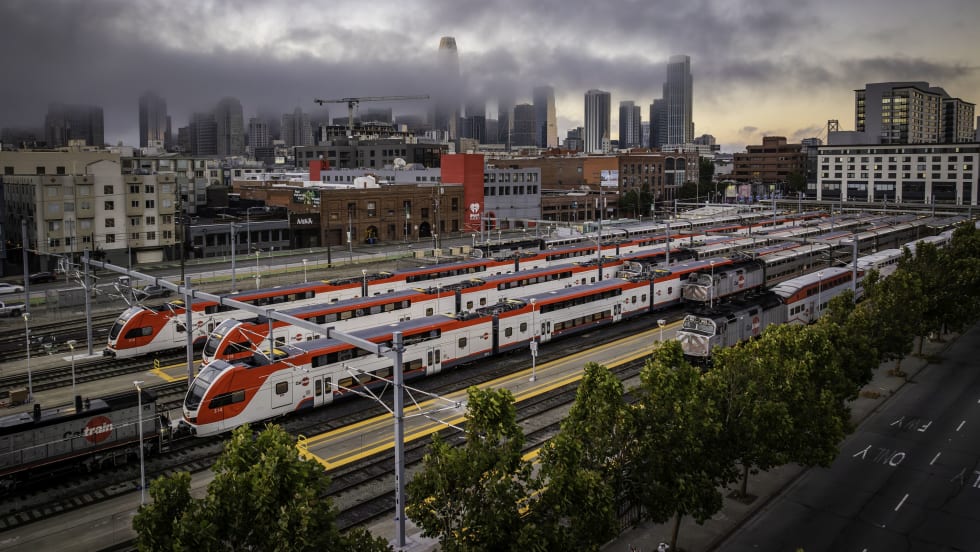
The survey showed that commute trips still make up the majority of ridership, with most riders boarding 2 to 3 days a week, reflecting hybrid work schedules. Two-thirds of Caltrain riders have access to a car, while 37% of Caltrain riders are considered low-income.
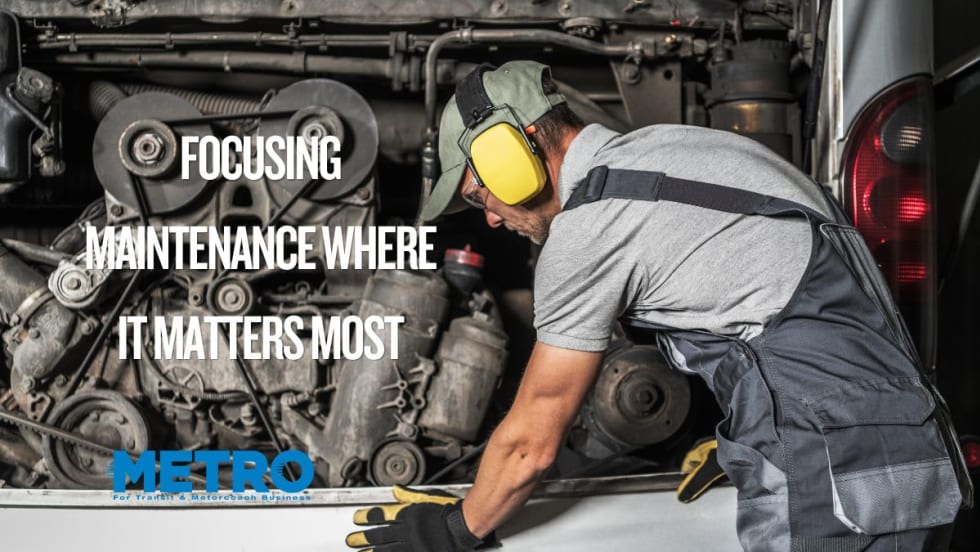
Advances in data and analytics are giving transit agencies new opportunities to refine maintenance practices, improve efficiency and make more informed decisions about asset performance.
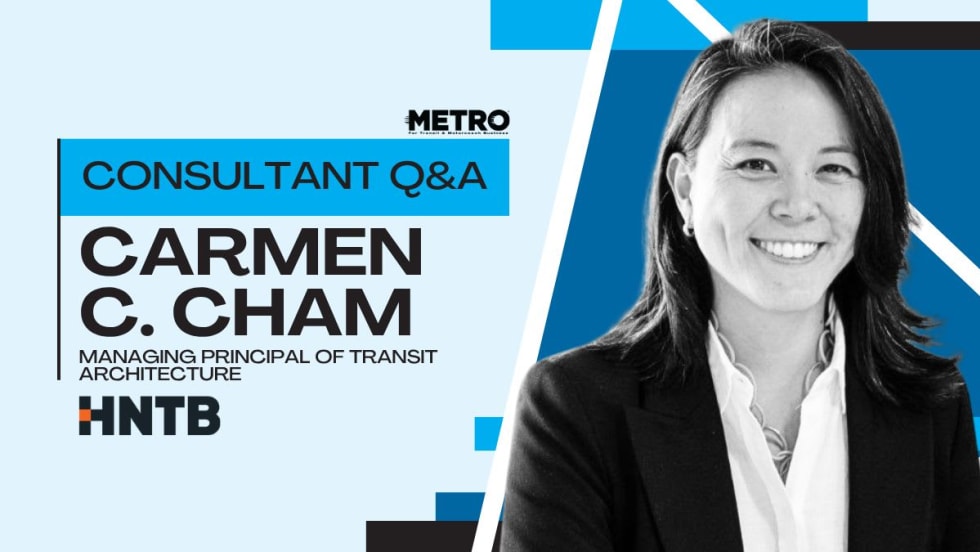
In this Consultant Roundtable, Carmen C. Cham shares insights on how agencies can create spaces that are intuitive, connected and built for long-term impact.
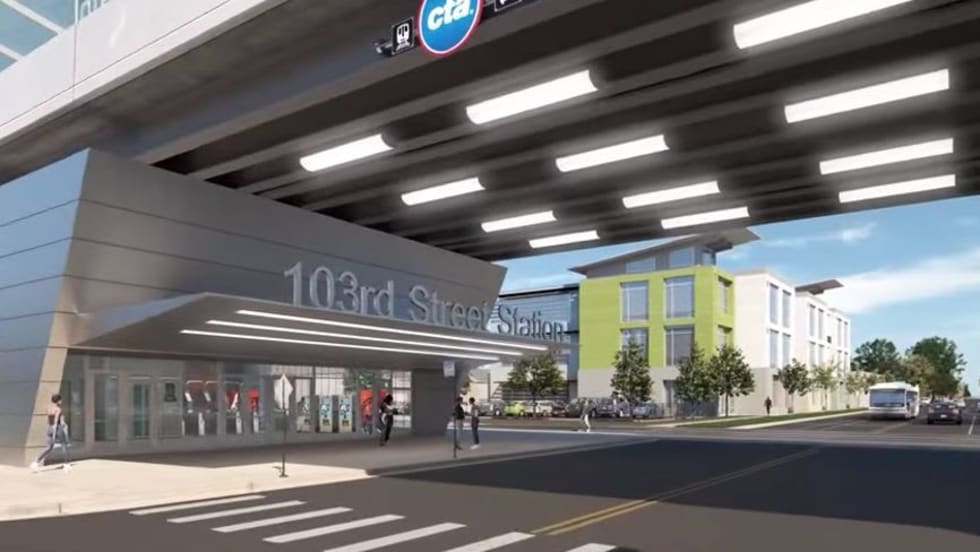
The Red Line Extension Project will provide the Far South Side of Chicago with rapid rail transit for the first time by extending the Red Line by 5.5 miles from 95th Street to 130th Street, including the construction of four new Red Line stations at 103rd, 111th, Michigan, and 130th streets.
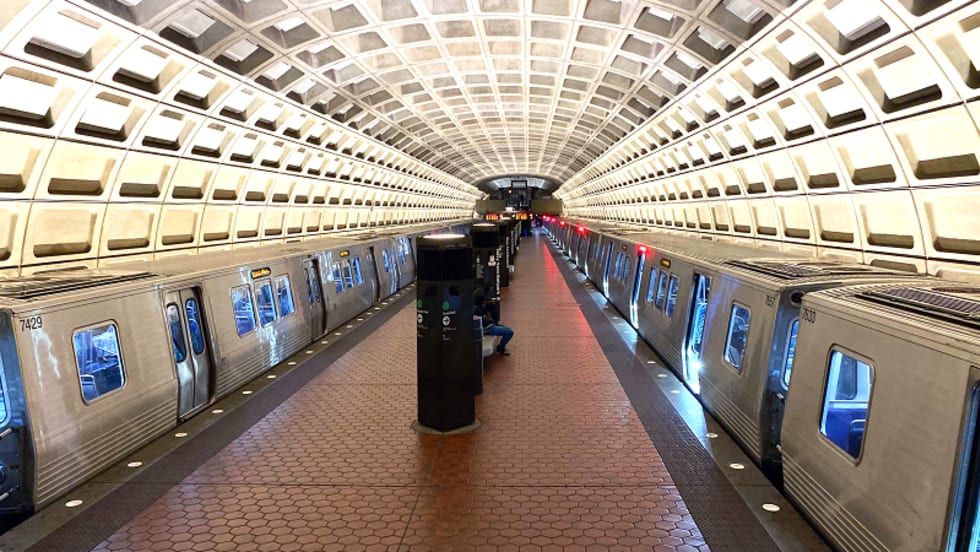
The Siemens CBTC System, Trainguard MT, in compliance with New York Subway Interoperability Interface Specifications, enables trains to run as close as 90 seconds apart, using next-generation signaling and continuous communication to keep operations moving seamlessly.
While recognizing regional economic constraints and continuing to improve service, the budget increases the jurisdictional subsidy to less than 1.8%, significantly below the inflation rate and the 3% regional target, said agency officials.
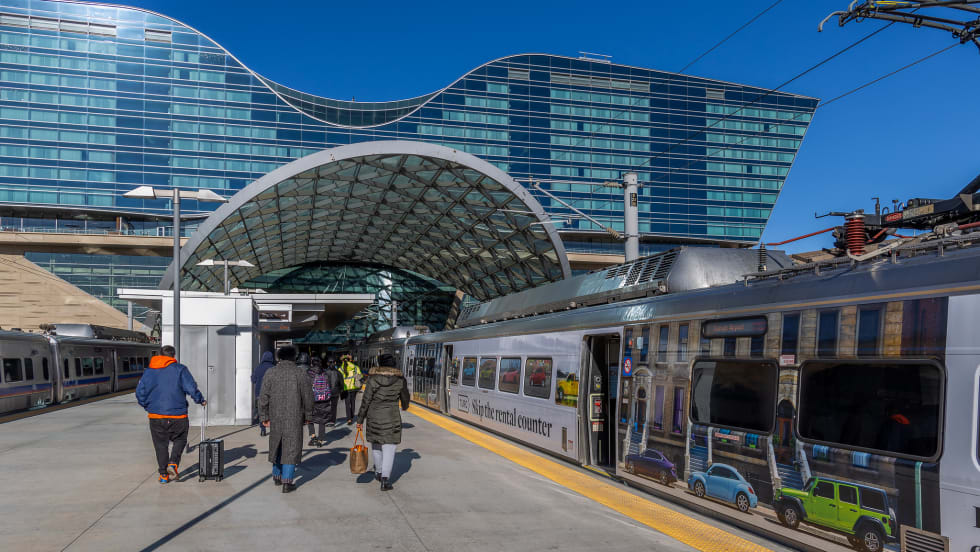
With more than 59,400,000 boardings since the service’s debut, the A Line’s utilization surpassed that of all other RTD rail services in 2025, the agency reported.
The plan outlines funding for transit operations, capital projects, and freight and passenger rail initiatives, as state officials seek public input on priorities shaping mobility and infrastructure across the Commonwealth.
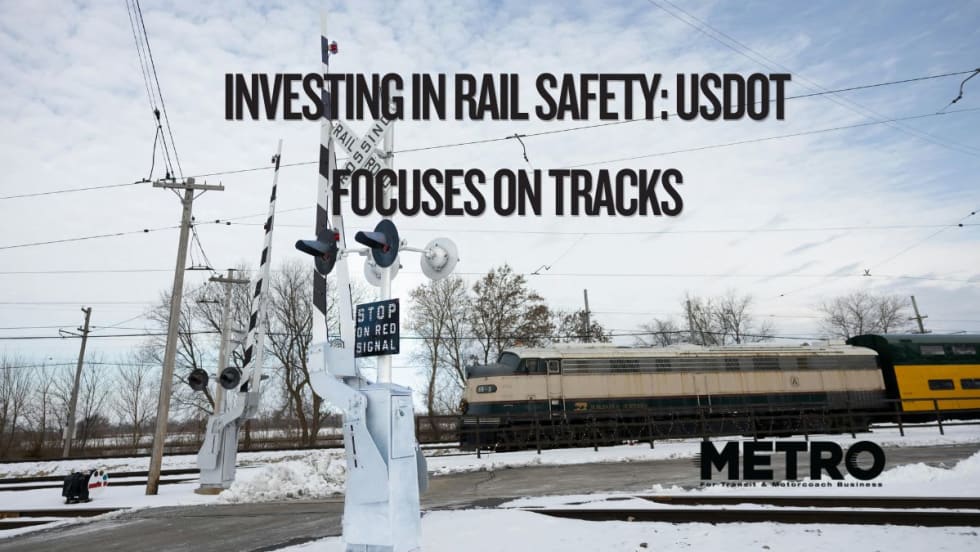
Under Secretary Duffy, the grant program’s revamped criteria will prioritize safety; the American family; and workforce development, job quality, and wealth creation, according to a press release.