



Fort Worth’s Booming Growth and Development Keep The T on a Fast Track
Public transportation in North Texas is relatively new compared to larger transit systems in the Northeast and some other large U.S. cities.

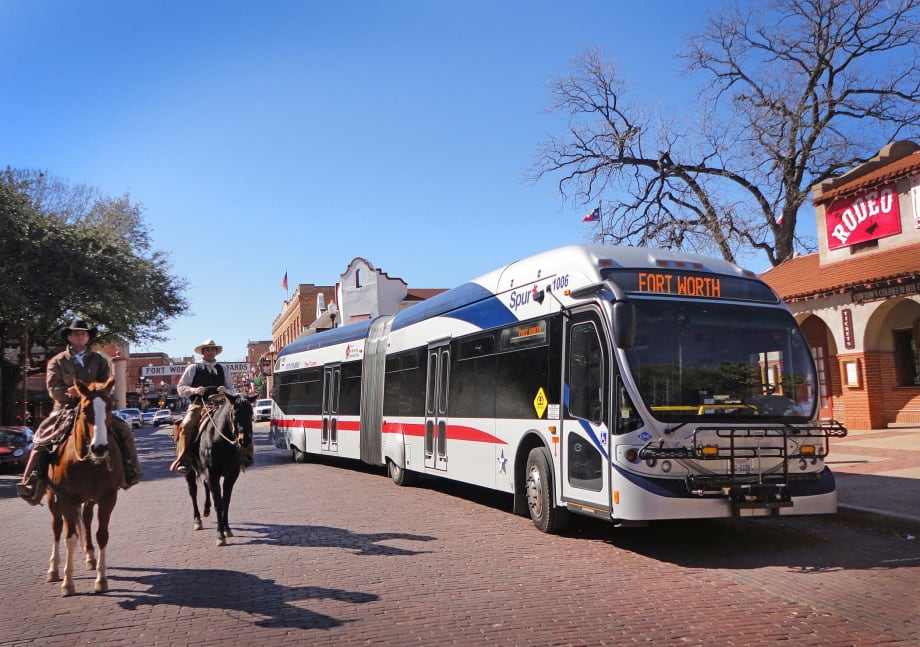

Famously known as the city of “Cowboys and Culture,” Fort Worth, Texas’ image today has grown far beyond its popular Western heritage and world-class museums.
Residing in the 10th fastest-growing county in the U.S., the influx of new residents, businesses, booming economic development and tourism have created positive county-wide support for a current comprehensive initiative by the Fort Worth Transportation Authority (The T) to significantly expand and increase rider options for public transportation in the Greater Fort Worth area, Tarrant County, and in the Western half of the North Central Texas region. Announced this February by The T President/CEO Paul Ballard, “The T Master Plan” will serve as a flexible guide for transit near-term and in future.
In addition to working with planning and development specialists, The T has been seeking input from current riders, non-riders, would-be riders, community and government leaders to create a more comprehensive, flexible system of transit modes and services to meet current and future needs and match the pace of the Greater Fort Worth area’s growth and booming development.
Since launching The T Master Plan in late February, we’ve been able to gather and organize the data that helps to paint a picture of current trends and future needs,” Ballard said. “Now, we want to bring this information to the public so people can react to the data and help identify ways transit can improve mobility in and around Fort Worth and add more value to the region.”
In addition to traditional public meetings, The T created a website, www.TMasterPlan.org, for easy access by the public, business, community, and government leaders to input ideas and to share opinions with others through Mind-Mixer Town Hall.
The most innovative public access tool for the Texas Master Plan is the Master Plan Project Bus, equipped with computers for the interactive surveys and education. The Project Bus is taken on location to generate interest.

History
Public transportation in North Texas is relatively new compared to larger transit systems in the Northeast and some other large U.S. cities. Through the early 1970s, bus transit services in Fort Worth were provided by private enterprise systems of City Transit Co. (CITRAN) and an airport service called SURTRAN. In 1978, the city established the Fort Worth Department of Transportation, which took over public transit operations. That included CITRAN and SURTRAN. Special transportation services for the disabled were added in 1979.
On Nov. 8, 1983, Fort Worth voters approved a dedicated sales tax that created the Fort Worth Transportation Authority, a political subdivision under the state of Texas. The goal was to provide stable funding and expanded transit services for the 5.2 million annual riders who previously depended on CITRAN to move the city. The T’s other full-member cities of Richland Hills and Blue Mound joined The T in the next few years.
Major Initiatives
In the early 1990s, The T also began joint development with Dallas Area Rapid Transit (DART) of the Trinity Railway Express (TRE) commuter rail that has proven to be a popular link between the region’s two largest business districts.
TRE’s completion to The T’s Centerport/DFW Airport Station occurred in 2000, and it arrived in December 2001 at both The T’s historic T&P Station and the agency’s award-winning Intermodal Transportation Center (ITC). The ITC today also serves Amtrak and Greyhound, and its historic lobby and community rooms are popular meeting places for organizations and milestone events.
Since The T’s formation in 1983, its ridership has doubled from 5.2 to 10 million passenger trips today for all bus services, vanpools and the TRE, which The T continues to jointly own and operate with DART.
TEX Rail
Due to the popularity of TRE and the need for more transit service across Tarrant County to the north, The T launched plans in 2005 for a second commuter rail, called Tex Rail, a 27-mile regional rail corridor that will run from downtown Fort Worth, northeast across Tarrant County to Grapevine and into Terminal B at DFW Airport. Service will begin in 2018. The city of Grapevine voters approved a sales tax in 2006 to partner in TEX Rail development. The city of Fort Worth and Tarrant County are also funding partners.
Other Key Initiatives at The T include:
The T’s CNG Bus Fleet Program: Among the first U.S. transit agencies to commit to converting its entire fleet to CNG in the late 1980s, The T today operates a system of 180 buses and Mobility Impaired Services vans on CNG and continues to be an experienced resource for other U.S. transit agencies considering similar conversions.

Molly the Trolley: Free downtown circulator popular with visitors, businesses and residents, which operates from 10 a.m. to 10 p.m. year-round, receiving great accolades from residents, businesses and tourists.
Bike Share: First U.S. transit agency to develop, secure grant, launch with partners into 401c3.
Technologies: Google Transit, Next Bus, solar-lit shelters, upgraded Wi-Fi on TRE, and Go Pass fare apps for bus and TRE.
Major Events, such as Super Bowl XLV: Bus service to and from TRE CentrePort station and stadium, and transporting visitors to week-long Super Bowl and other major events.
Hyde Park Transit Plaza: Downtown park amenity and enhanced sidewalk access to ITC.
Transit Signal Prioritization: First North Texas transit use to streamline bus travel.
Spur*: BRT-like Enhanced Bus Corridor with 60-foot buses, serving a daily ridership of 4,000.
Sierra Vista Transit Plaza: Serves nearby urban village, other SE Fort Worth development.
North Fort Worth Park & Ride: Express weekday bus service to and from downtown with connections to TRE trains at the Intermodal Transportation Center.
Arlington MAX: Service to and from TRE CentrePort Station, a partnership between The T and DART.
TEX Rail: Included in the President’s Budgets for Funding; “Moving toward Engineering and Vehicle Order.” TEX Rail’s projected opening year daily ridership is expected to hit more than 10,000, with 10 Stations between downtown Fort Worth and DFW Airport.
More Management

Biz Briefs: STV teams with Amtrak, Motorcoach Operators Boost Fleet and Land Contracts, and More
From manufacturers and suppliers to transit agencies and motorcoach operators, these updates offer a snapshot of the projects, partnerships and business moves driving the industry forward.
Read More →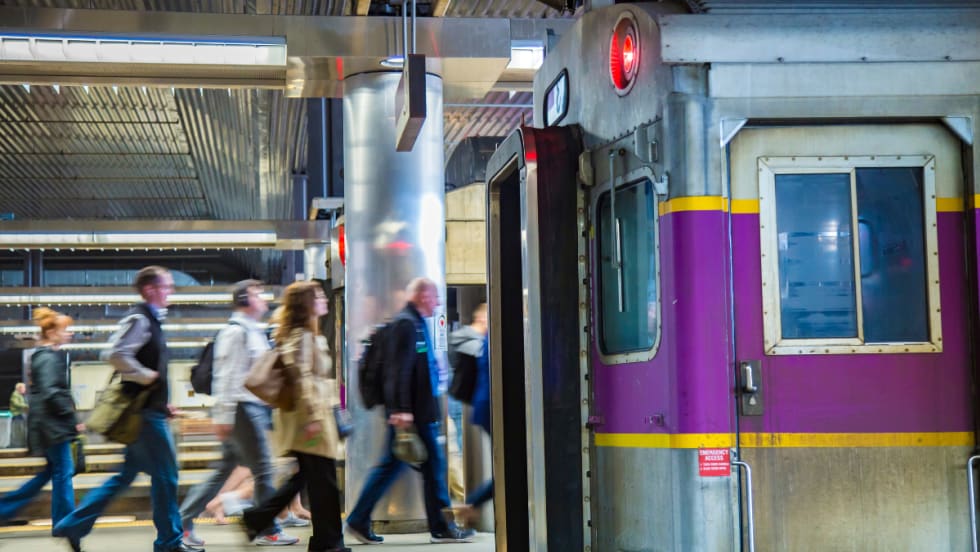
Massachusetts Approves $530M to Strengthen MBTA Operations, Infrastructure
The funding package targets operating stability, capital improvements, and fare affordability, offering a model for agencies navigating long-term funding challenges.
Read More →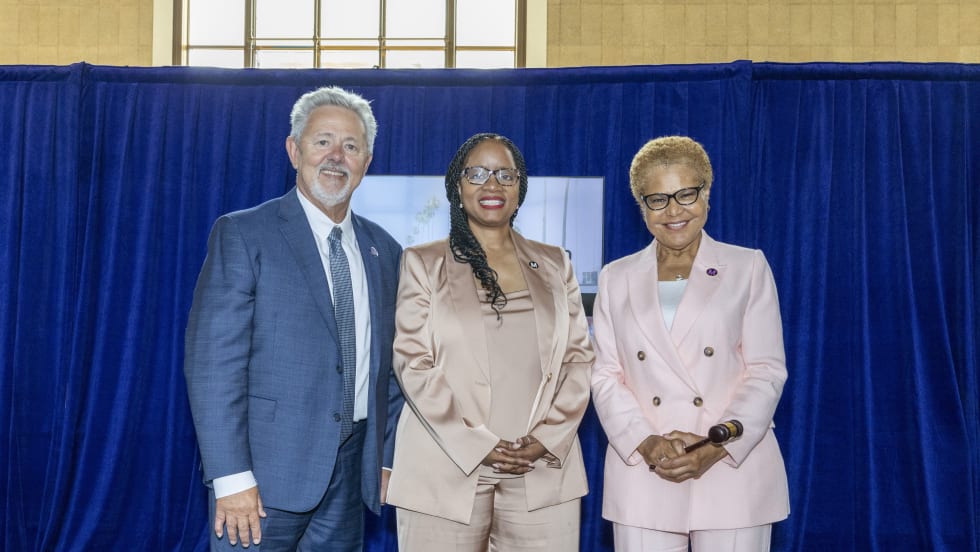
LA Metro Marks Banner Year, Sets Ambitious Goals for New Fiscal Year
Incoming LA Metro Board Chair and Los Angeles Mayor Karen Bass joined outgoing Board Chair Fernando Dutra and LA Metro CEO Stephanie Wiggins to review accomplishments from fiscal year 2026, which included the opening of new rail extensions, advancement of major transit projects, expanded safety programs, and new rider amenities.
Read More →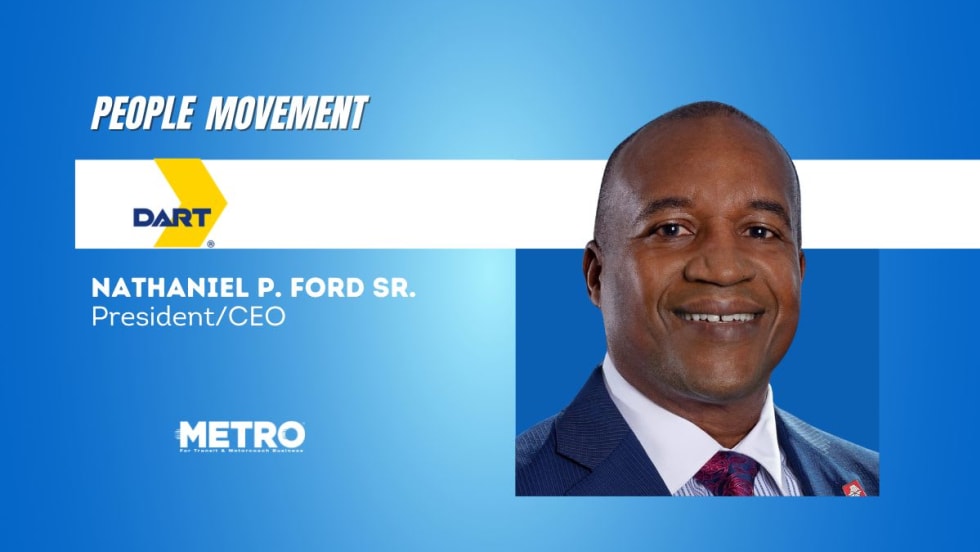
DART Taps Nathaniel P. Ford Sr. as Next President/CEO
Since 2012, Ford has served as the CEO of the Jacksonville Transportation Authority
Read More →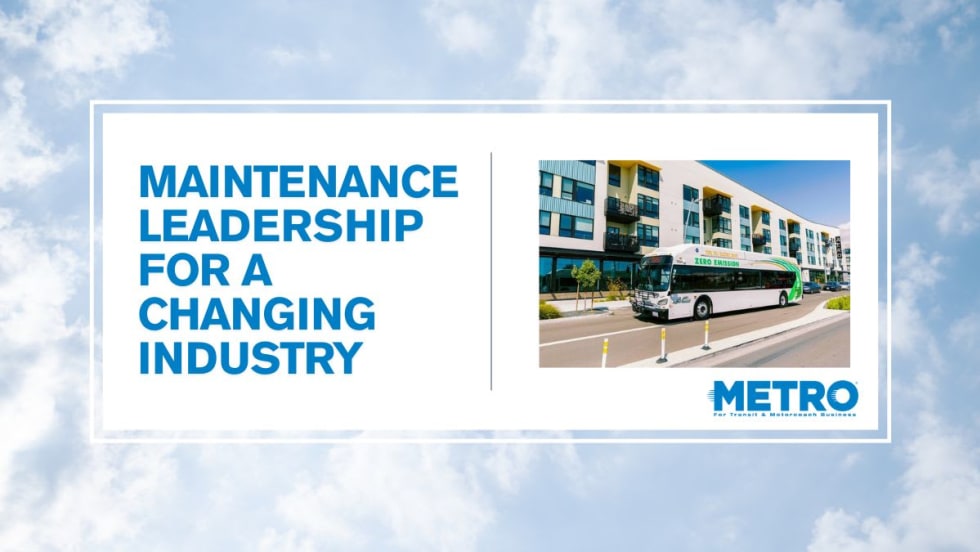
AC Transit’s Cecil Blandon on Building the Next Generation of Transit Maintenance Leaders
The agency’s maintenance chief discusses leadership, workforce development, zero-emission technology, and preparing technicians for the future of public transportation.
Read More →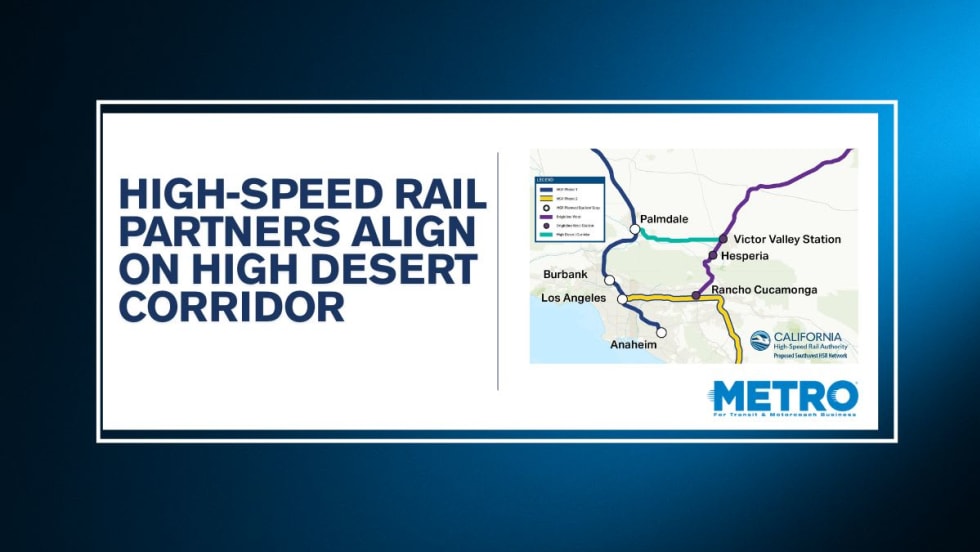
California High-Speed Rail Authority Signs MOU to Advance High Desert Corridor
The agreement deepens collaboration between the California High-Speed Rail Authority and the High Desert Corridor Joint Powers Agency, supporting design integration, cost savings, and faster delivery of a key Southern California rail link.
Read More →
Building the Next Generation of Transit Technology
In this edition of METROspectives, Luminator CEO Magnus Friberg discusses the company's transformation, the growing role of AI and software, and what's next for transit technology.
Read More →
How Data, Strategy, and Community Engagement Are Reshaping Transit
In this edition of METROspectives, strada360 CEO Steve Lassey discusses how transit agencies can better align planning with operations, leverage data to improve decision-making, and build public trust as they prepare for the future of mobility.
Read More →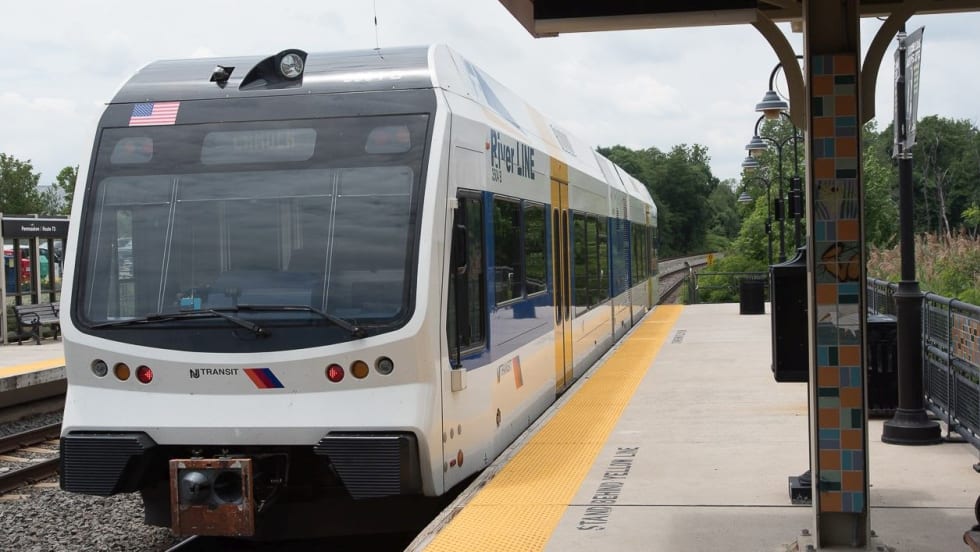
NJ TRANSIT Secures Capital Funding, Adopts FY2027 Budget
The budgets continue investments in infrastructure and equipment to maintain the system in a state of good repair and enhance the overall customer experience.
Read More →
Federal Railroad Administration Study Finds Upgrades Could Boost Penn Station Capacity by One-Third
The study outlines a roadmap for increasing train throughput while preparing Penn Station for future growth across the Northeast Corridor.
Read More →