



Walking, cycling better for health than driving
One surprising finding was that commuters reported feeling better when travelling by public transport, compared to driving.


Photo: Elliot Scott via Flickr

Photo: Elliot Scott via Flickr
Walking or cycling to work is better for people's mental health than driving to work, according to new research by health economists at the University of East Anglia and the Centre for Diet and Activity Research (CEDAR).
A report published today reveals that people who stopped driving and started walking or cycling to work benefited from improved wellbeing. In particular, active commuters felt better able to concentrate and were less under strain than if they travelled by car.
These benefits come on top of the physical health benefits of walking and cycling that are already widely documented.
Experts also found that travelling on public transport is better for people’s psychological wellbeing than driving.
Lead researcher Adam Martin, from UEA’s Norwich Medical School, said: “One surprising finding was that commuters reported feeling better when travelling by public transport, compared to driving. You might think that things like disruption to services or crowds of commuters might have been a cause of considerable stress. But as buses or trains also give people time to relax, read, socialise, and there is usually an associated walk to the bus stop or railway station, it appears to cheer people up.”
The research team studied 18 years of data on almost 18,000 18-65-year-old commuters in Britain. The data allowed them to look at multiple aspects of psychological health including feelings of worthlessness, unhappiness, sleepless nights, and being unable to face problems. The researchers also accounted for numerous factors known to affect wellbeing, including income, having children, moving house or job, and relationship changes.
The study also shows commute time to be important.
Adam Martin said: “Our study shows that the longer people spend commuting in cars, the worse their psychological wellbeing. And correspondingly, people feel better when they have a longer walk to work.”
Data from the 2011 Census (England and Wales) shows that 67% of commuters use cars or vans as their usual main commute mode compared to 18% who use public transport, 11% who walk and just 3% who cycle.
“This research shows that if new projects such as London’s proposed segregated cycleways, or public transport schemes such as Crossrail, were to encourage commuters to walk or cycle more regularly, then there could be noticeable mental health benefits.”
The new report contradicts a UK Office of National Statistics study ‘Commuting and Personal Wellbeing, 2014’, published in February, which found people who walked to work had lower life satisfaction than those who drove to work, while many cyclists were less happy and more anxious than other commuters. Crucially, this new research looks at commuters who had changed travel mode from one year to the next, rather than comparing commuters who were using different travel modes at a single point in time.
The research was carried out by the Health Economics Group at UEA’s Norwich Medical School and the Centre for Health Economics at the University of York. It was funded by CEDAR, a multi-disciplinary collaboration between UEA, the University of Cambridge, and MRC Units in Cambridge.
‘Does active commuting improve psychological wellbeing? Longitudinal evidence from eighteen waves of the British Household Panel Survey’ is published in the journal Preventive Medicine on Monday, September 15.
More Technology

ioki Enters U.S. Market With Transit Planning, On-Demand Mobility Technology
European mobility technology company looks to bring network optimization, digital twins and integrated transit operations to U.S. agencies, with Georgetown University as its first customer.

Exploring AI's Role in the Future of Paratransit and On-Demand Transportation
Spare's Kristoffer Vik Hansen discusses evolving rider expectations, the challenges facing transit agencies, and how artificial intelligence could help improve paratransit and on-demand mobility services.
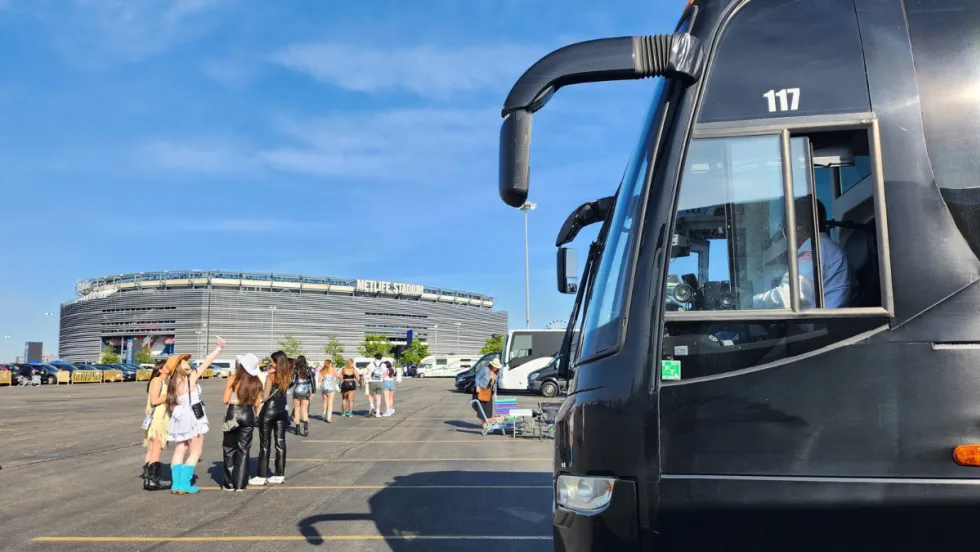
How Rally OurBus Connects Motorcoach Operators with Event Transportation Demand
The company's crowd-powered model uses passenger reservations to shape routes, determine capacity, and create new business opportunities for independent motorcoach operators.

What Transit Maintenance Facilities Should Know About Gas-Detection Placement
Proper gas-detector placement is critical to maintaining safety in transit maintenance facilities, requiring agencies to consider fleet fuel types, ventilation, shop operations, and ongoing equipment maintenance.

People Movement: Metrolink's Kettle Announces Retirement, Feakins to CEO at UZURV, and More
In this edition, we also cover recent appointments and announcements at King County Metro, SilverRide, and more, showcasing the individuals helping to shape the future of transportation.

Imagry, Endera Partner for Automated Buses, Luminator Teams with Avail, and More in Biz Briefs
In METRO's latest installment, we also take a look at recent news from RIDE, Alstom, and more partnerships making headlines across the transportation sector.
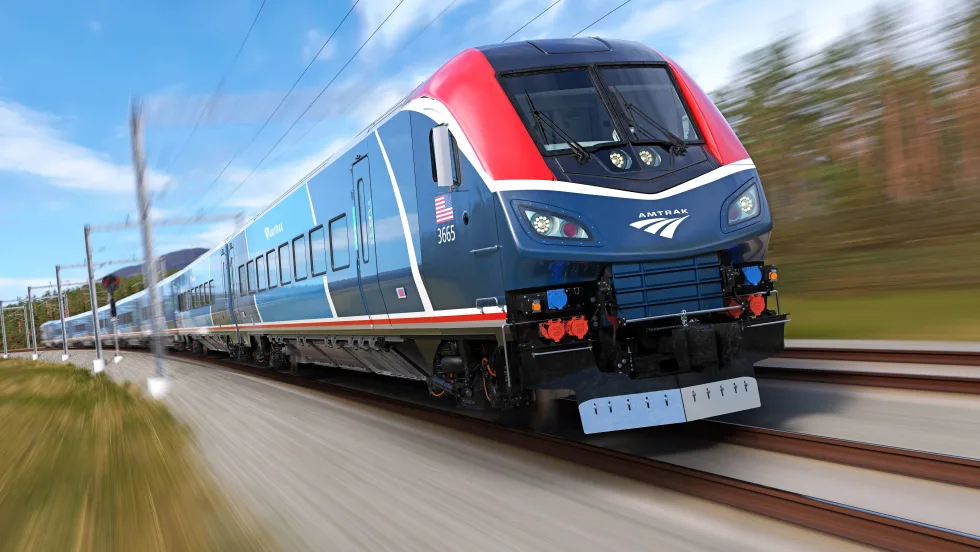
Amtrak Expands Airo Fleet with Eight Higher-Capacity Trainsets
The new 10-car trains, expected to enter service in 2031, will provide about 34% more seating capacity to meet growing demand on the Northeast Corridor.

Improving Transit Safety and Reliability Through AI
Hayden AI’s Chief Growth Officer, Charley Territo, discusses how AI-powered camera enforcement is helping transit agencies keep bus lanes and stops clear, improve accessibility, and move from pilot programs to full-scale deployments.

STraffic Expands North American Presence with Fare Collection Technology
John Moon, Associate Director, Product Strategy at STraffic, discusses the company's growth in North America, its efforts to reduce fare evasion, and more.
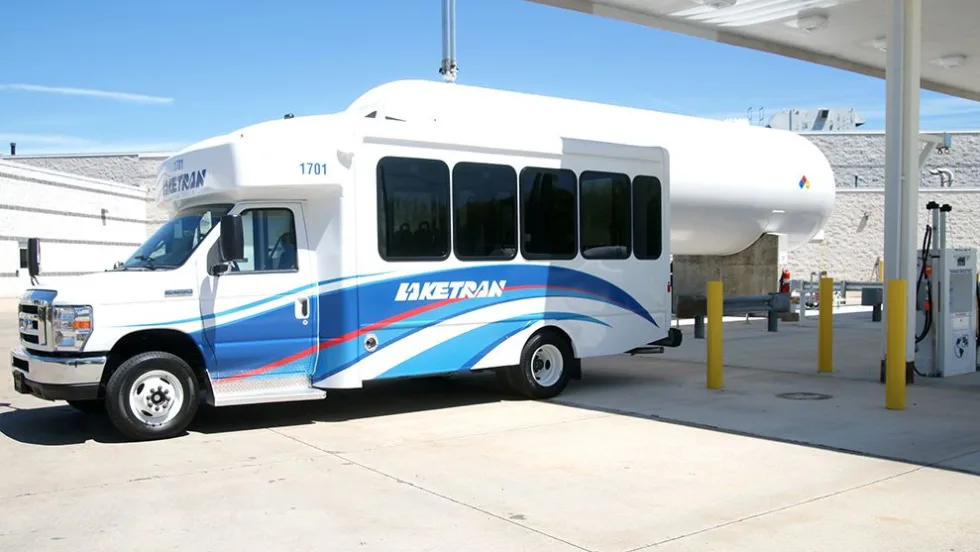
Laketran Cuts Fuel Costs, Boosts Efficiency with Propane-Powered Fleet
The Ohio transit agency is using propane-powered vehicles and on-site fueling infrastructure to cut fuel and maintenance costs while meeting growing demand for paratransit services.