



LA Metro Launches New Mobile App, Contactless Payment Options
Available on Metro and at 26 TAP-participating transit agencies, the system reduces waiting times, speeds boarding, and improves convenience systemwide, said the agency.

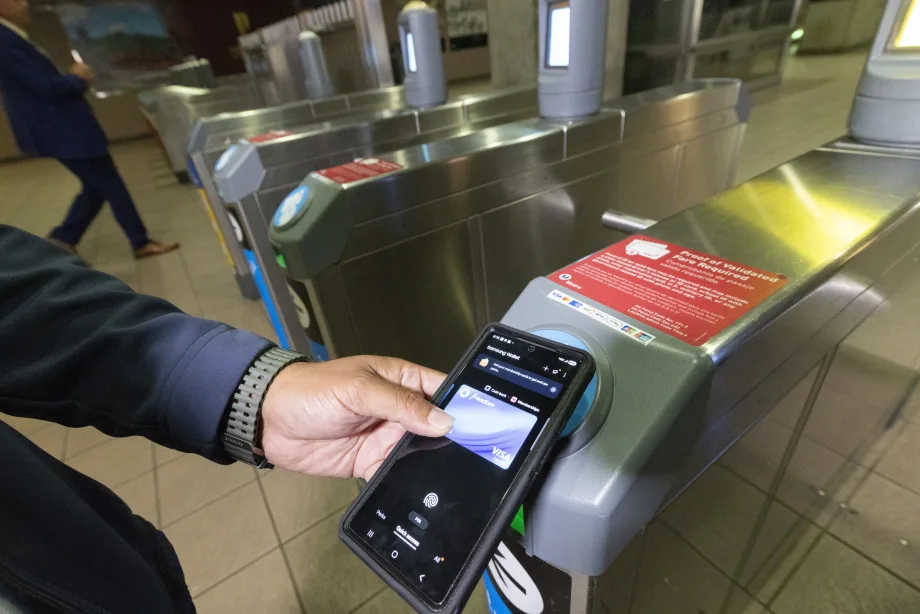
The new credit and debit payment system allows customers to tap their credit or debit cards, digital wallets, or wearable devices at fare gates and bus validators. Riders can pay fare for themselves and up to four additional passengers using one card.
LA Metro
- LA Metro has introduced a new mobile app along with contactless payment options.
- The system is available on Metro and 26 other TAP-participating transit agencies.
- It aims to reduce waiting times, speed up boarding, and enhance convenience across the network.
*Summarized by AI
LA Metro launched the Official LA Metro mobile app and contactless credit and debit fare payment.
Together, these new technologies create a more intuitive, connected, and accessible transit system by making it easier than ever for everyday riders and visitors traveling throughout Los Angeles County for major global events, including this summer’s FIFA World Cup 2026, said officials.
“Today’s launch represents a significant step forward in how Metro serves its customers,” said Metro Board Chair Fernando Dutra. “By introducing credit and debit fare payments and an official mobile app, we’re making transit simpler, shortening lines, improving speed, and making our system easier to use for daily commutes, special events, and visitors from around the world.”
New Features Through the App
The new credit and debit payment system allows customers to tap their credit or debit cards, digital wallets, or wearable devices at fare gates and bus validators. Riders can pay fare for themselves and up to four additional passengers using one card.
Available on Metro and at 26 TAP-participating transit agencies, the system reduces waiting times, speeds boarding, and improves convenience systemwide, said the agency.
At the same time, Metro’s new mobile app allows riders to move with confidence using trusted trip information straight from Metro.
The first version of the Official LA Metro app includes:
- Trip planning across Metro bus and rail services with real-time information.
- Integration with regional transit providers for a seamless multimodal experience.
- Service alerts, notifications, and real-time updates.
- Locations for key amenities, including restrooms, customer care centers, TAP vendors, Metro Bike Share stations, and Metro Micro zones.
- Multilingual support and accessibility features, such as screen reader compatibility.
Future updates will expand the app’s capabilities to integrate fare payment, Bike Share, and Metro Micro booking; parking information and payment; safety tools; and enhanced customer communication features such as live chat and feedback.
“Metro customers shouldn’t have to navigate multiple apps just to ride transit,” said Metro CEO Stephanie Wiggins. “This new app, combined with credit and debit payments at the fare gates and on board buses, is about creating a seamless, intuitive experience, whether you’re a daily rider or visiting Los Angeles for the first time. It also positions us for the future, not only as we prepare to welcome the world for major events, including the FIFA World Cup 2026, but also as we continue to serve the millions of people who depend on us every day.”
While credit and debit payments are currently available for full-fare customers, Metro said it plans to expand the option to reduced-fare riders in early 2027. Customers who prefer to use cash can continue to load funds onto TAP cards and use the system as they do today.
Part of A Broader Solution

Future updates will expand the app’s capabilities to integrate fare payment, Bike Share, and Metro Micro booking; parking information and payment; safety tools; and enhanced customer communication features such as live chat and feedback.
LA Metro
The LA Metro app is free to use, ad-free, and built with universal design standards. It will significantly improve access to transit information while supporting a more connected and customer-focused system.
The advancements are part of Metro’s “broader capital and technology improvement program,” which aims to increase capacity, enhance accessibility, and deliver a world-class transit experience.
Quick Answers
LA Metro has launched a new mobile app along with contactless payment options.
*Summarized by AI
More Technology

ENC Lands MATA Contract and More in Biz Briefs
In this edition of Biz Briefs, we spotlight the latest developments shaping the future of mobility.
Read More →
Strada360’s Steve Lassey on Turning Transit Data Into Better Decisions
From breaking down data silos to preparing for AI, Strada360 CEO Steve Lassey discusses how transit agencies can use technology to improve operations, customer information, and long-term decision-making.
Read More →
Almaviva Looks to Open Architecture to Advance Transit Technology
Eric Reese discusses how interoperability, open architecture, and modular design can help transit agencies control costs, reduce vendor lock-in, and upgrade technology without starting over.
Read More →

Driving Smarter Paratransit
John Hanlon shares how AlphaRoute is leveraging AI-powered technology to help paratransit providers optimize operations, support frontline staff, and enhance the rider experience.
Read More →
From Hardware to Digital Partner: Luminator Charts Its Next Chapter
CEO Magnus Friberg discusses Luminator’s shift toward becoming a digital partner, the growing importance of software and interoperability, and how AI can help agencies improve operations and passenger experience.
Read More →
Beyond the Checklist: A Structured Approach to Transit Maintenance
Reliability-Centered Maintenance helps transit agencies move beyond routine checklists to focus limited resources on the assets and failures that have the greatest impact on safety, reliability, and service.
Read More →
NJ TRANSIT Advances Bus Technology Upgrades Across Statewide Fleet
More than 1,500 buses now feature upgraded technology designed to improve arrival predictions and provide free Wi-Fi, with deployment expected to reach nearly 2,000 buses by the end of 2026.
Read More →
Building a Flexible Path to Transit Electrification
John Hroncich discusses BAE Systems’ modular and scalable approach, lessons learned from decades of real-world operations, and how agencies can identify electrification strategies that fit their fleets.
Read More →
Biz Briefs: Alstom Lands Canadian Contract, LYT to Supply California TSP, and More
In METRO's latest installment, we take a look at recent news from Complete Coach Works, Beep, FlixBus, and more partnerships making headlines across the transportation sector.
Read More →
From Legacy Silos to Conversational Intelligence
What if transit leaders could ask any operational question and get a trusted answer in seconds? Conversational AI is transforming how agencies use their data.
Read More →