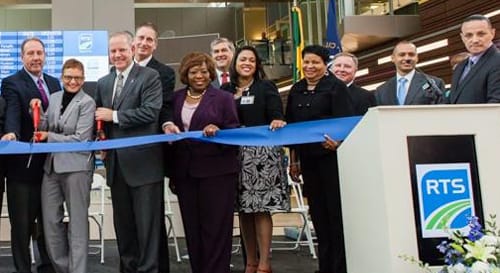
Feds, city officials celebrate N.Y. transit center opening
The RTS Transit Center in Rochester, N.Y. will connect residents of the eight county RTS service area to important destinations such as the University of Rochester, Rochester Institute of Technology, the Museum District, and a variety of options for shopping and dining.
The Federal Transit Administration (FTA) celebrated the opening of the RTS Transit Center, a new transit hub in the heart of Rochester, N.Y. that will greatly improve transit service for thousands of daily bus riders and help spur downtown development.
The RTS Transit Center will span a full city block on Mortimer Street in downtown Rochester. Instead of waiting outdoors along Main Street, riders will access 26 new bus bays from a spacious, modern, climate-controlled facility. Getting to the right bus will be easier than ever, thanks to customer-friendly features such as electronic departure signs, an information center, around-the-clock security, and enhanced accessibility for seniors and riders with disabilities.
Ad Loading...
“More than 60,000 customers depend on RTS every day, and this new facility will offer safer, more convenient access to jobs, education and other important opportunities throughout Monroe County and beyond,” said Acting Administrator Therese McMillan. “Whether the destination is Rochester’s revitalized downtown or a key regional institution, the RTS Transit Center will make it easier than ever for riders to connect to numerous destinations throughout the region.”
As a regional transit hub expected to serve over 20,000 riders daily, the RTS Transit Center will connect residents of the eight county RTS service area to important destinations such as the University of Rochester, Rochester Institute of Technology, Monroe Community College, the Museum District, and a variety of options for shopping and dining. RTS will operate 42 bus lines using a fleet of 350 vehicles through the Transit Center, improving traffic flow throughout downtown and opening up valuable space on Main Street for development.
The RTS Transit Center is scheduled to begin service in late November, five months ahead of schedule. The U.S. Department of Transportation contributed nearly $40 million toward the $50 million project, with the remaining cost shared between the State of New York and the Rochester Genesee Regional Transportation Authority.
Complete Parts features new branding with a new logo, a new contact telephone number, a dedicated order desk, enhanced processes and inventory, all designed to provide the parts bus operations need.
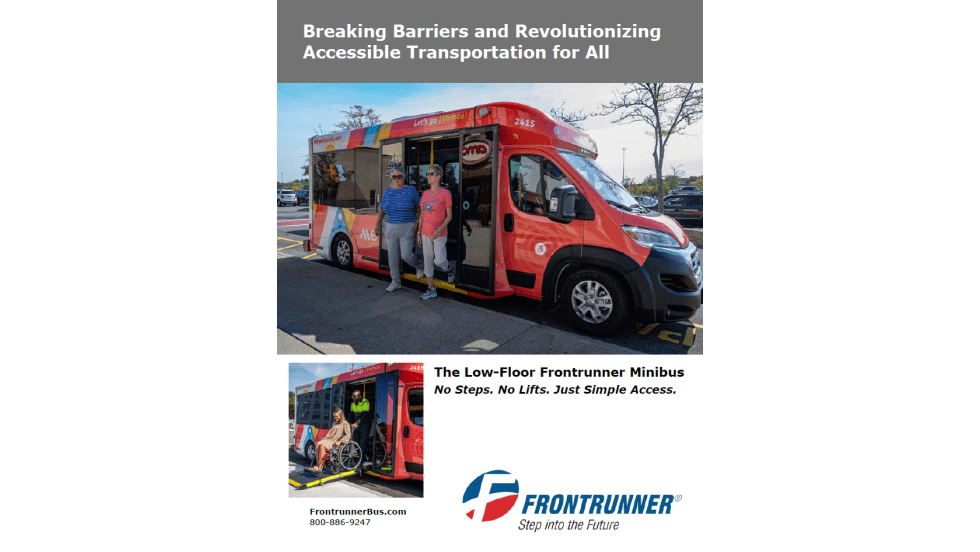
Accessible transit isn’t a feature—it’s a responsibility. This whitepaper explores how the Low-Floor Frontrunner is redefining mobility with a breakthrough design that removes barriers, empowers riders, and delivers measurable operational advantages for agencies. Discover why this next generation minibus is setting a new standard for inclusive transportation.
SEPTA was awarded $43 million in competitive grant funding from the FTA's FY25 Low and No Emission and Bus and Bus Facilities grant programs to support this procurement.
In part 1 of a two-part conversation, AC Transit’s director of maintenance joins co-hosts Alex Roman and Mark Hollenbeck to discuss his journey from the U.S. Marines to public transit and the role mentorship plays in developing the next generation of industry leaders.
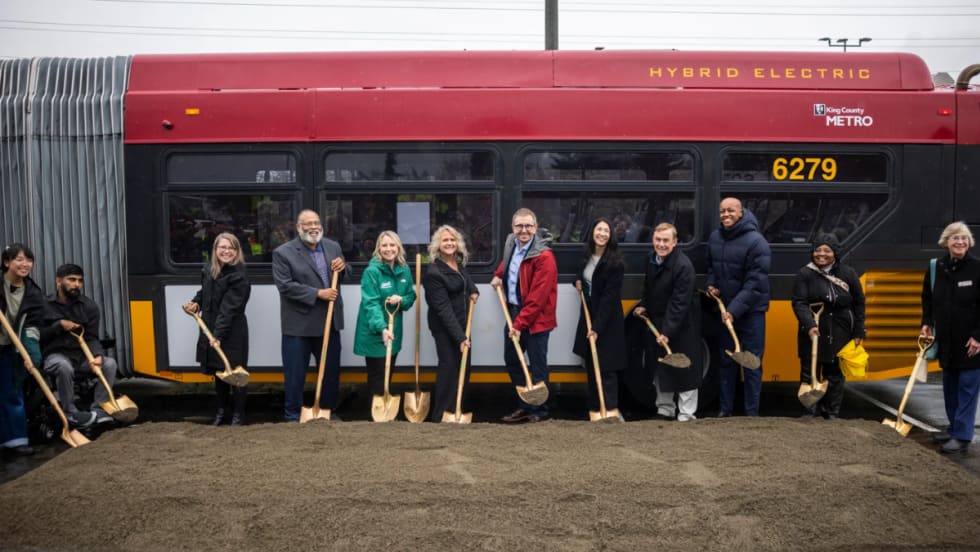
When construction is complete, battery-electric buses will operate from the Arborway facility on Day One, providing cleaner, quieter, and more reliable service for riders, the MBTA said. After completion, the old facility will be demolished, and the land will be made available for redevelopment.
Nadine S. Lee, who has served as president/CEO since July 2021, said the decision comes after careful reflection on the agency’s progress and its path forward.
In this conversation, TBC’s Executive Director Ed Redfern, President Corey Aldridge, and Washington Representative Joel Rubin outline the coalition’s key policy priorities, the challenges facing transit agencies, and how industry stakeholders can work together to strengthen the voice of bus transit at the federal level.
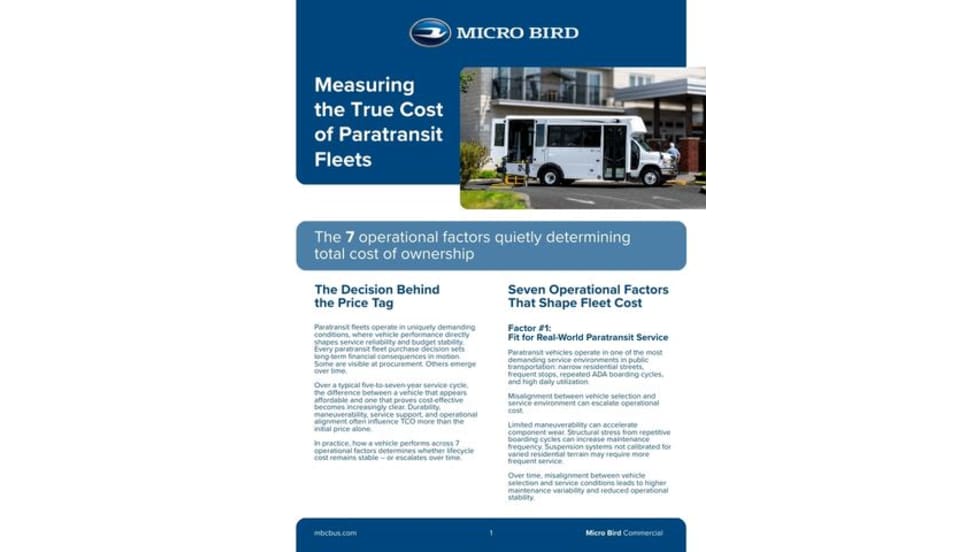
What truly drives the cost of a paratransit fleet? Beyond the purchase price, seven operational factors quietly determine maintenance frequency, downtime, and long-term service reliability. This whitepaper explores how these factors shape lifecycle cost and what agencies should evaluate when selecting paratransit vehicles.