



METRO Magazine Logo
MenuMENU
SearchSEARCH

Portland extends e-scooter pilot program

The extension will provide more time to thoroughly study the impacts of e-scooters and how e-scooters should continue to be allowed in Portland.

December 23, 2019
Portland extends e-scooter pilot program

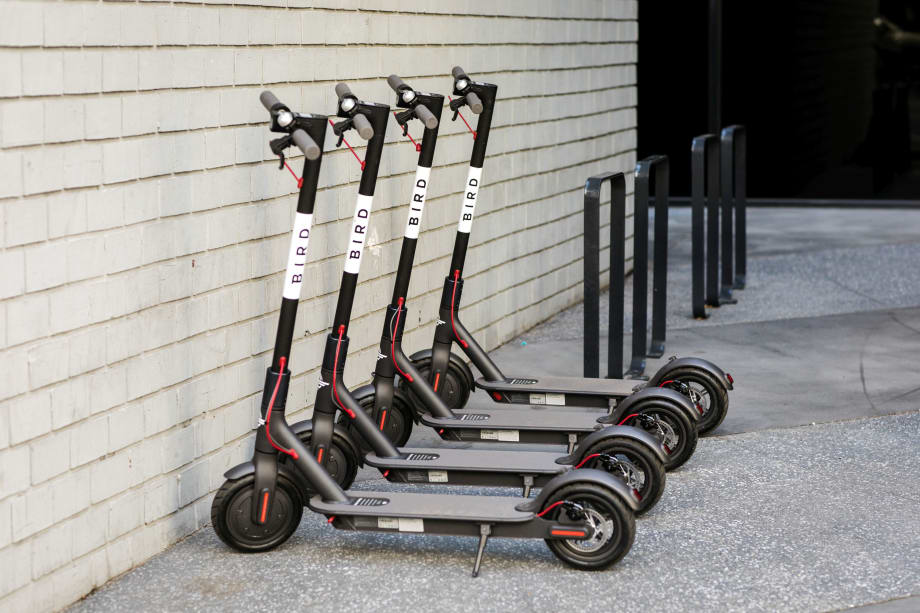
With the extension, the six companies currently permitted by PBOT will have the ability to continue to operate in Portland until Dec. 31, 2020.

Bird

2 min to read


With the extension, the six companies currently permitted by PBOT will have the ability to continue to operate in Portland until Dec. 31, 2020. Bird

The Portland Bureau of Transportation (PBOT) will extend its 2019-20 Shared Electric Scooter Pilot Program to Dec. 31, 2020. The program started April 26 and was scheduled to end April 26, 2020.

The extension will provide more time to thoroughly study the impacts of e-scooters on the transportation system to inform decisions about whether and how e-scooters should continue to be allowed in Portland. By extending the pilot, it will give PBOT more time to share findings with the public and solicit feedback from Portlanders. The extension will also afford more time to test innovative ways to further improve the program.

Ad Loading...

With a longer pilot program, PBOT staff will be able to continue to explore a variety of issues raised by this new technology, including:

  • How Portlanders might be using e-scooters in ways that ease congestion and reduce carbon emissions.

  • How e-scooters can best meet the transportation needs of historically underserved communities, particularly people of color and people living on low incomes.

  • How rider education campaigns and continued enforcement can promote safer e-scooter riding.

  • How macro-economic factors, like competition, mergers and acquisitions, and market volatility, may impact local operators.

With the extension, the six companies currently permitted by PBOT will have the ability to continue to operate in Portland until Dec. 31, 2020. The companies include Bird, Bolt, Lime, Razor, Shared, and Spin. During this extension, PBOT will not issue permits to additional companies.

PBOT will update its Administrative Rules governing the Shared Electric Scooter Pilot Program in spring 2020 to accommodate this extension. PBOT may make additional changes to its regulatory requirements to apply lessons learned and further improve the program.

PBOT is announcing this extension now because local operators seek to provide stability for their employees and enable planning for the future. During the summer, the six e-scooter companies employed more than 50 full-time and more than 100 part-time workers in Portland.

E-scooter trends emerging in 2019

In advance of making the decision to extend the pilot program, PBOT reviewed available data from April 26 through Nov. 30. Data included utilization of scooters, enforcement efforts, and injury reports.

Findings from the period include:

  • Riders took 954,156 trips and traveled 1,014,671 miles. Combined with trips during the 2018 pilot, e-scooter riders in Portland have cumulatively taken 1,654,485 trips and traveled 1,816,559 total miles. Companies report having tens of thousands of customers in Portland. From the 2018 pilot program, PBOT learned that e-scooters replaced driving and ride-hailing trips: 34% of Portland riders and 48% of visitors reported using an e-scooter instead of driving a personal car or using Uber, Lyft, or a taxi.

  • In response to public input during the 2018 pilot, PBOT regulatory and parking enforcement staff have been issuing warnings and fines to e-scooter companies, which are required to pass them onto their riders. PBOT staff have issued 57 warnings and 723 penalties for instances of improper parking and sidewalk riding.

  • Multnomah County Health Department identified 183 visits to emergency departments and urgent care clinics that were related to e-scooters. Their analysis includes all e-scooter related visits, including privately owned as well as rented e-scooters, from April 26 to Sept. 30. MCHD will continue to monitor injury visits throughout the pilot program.


More New Mobility

New Mobilityby StaffJanuary 30, 2026

Chicago's Pace Expands VanGo Mobility Program

The service is a flexible, reservation-based transit service designed to close the first- and last-mile gaps and connect riders to employment for just $5 per day.

Read More →
BusJanuary 22, 2026

Biz Briefs: BART, Uber Launch Partnership and More

Stay informed with these quick takes on the projects and companies driving progress across the transportation landscape.

Read More →
SponsoredJanuary 19, 2026

3 New Ways Fleet Software Pays: ROI opportunities for modern fleet managers

Transit agencies depend on safe, reliable vehicles to deliver consistent service. This eBook examines how next-generation fleet software helps agencies move from reactive processes to proactive operations through automated maintenance, real-time safety insights, and integrated data. Learn how fleets are improving uptime, safety outcomes, and operational efficiency.

Read More →
Ad Loading...
Transit signal priority and public transit agencies.
New Mobilityby Alex RomanJanuary 16, 2026

How AI is Redefining Transit Operations and Signal Priority

In a recent episode of METROspectives, LYT CEO Timothy Menard discusses how artificial intelligence, cloud connectivity, and real-time data are transforming traffic management, boosting bus reliability, and enabling system-wide transit optimization across cities.

Read More →
New Mobilityby StaffJanuary 15, 2026

U.S. Transit Trails Global Peers, Transportation for America Report Outlines Path Forward

The analysis finds that a $4.6 trillion investment across all levels of government over 20 years ($230 billion per year) would be required to build, operate, and maintain a transit network that approaches the level of service within a cohort of 17 global cities with world-class transit systems.

Read More →
RailJanuary 15, 2026

Biz Briefs: Alstom Supplying TTC Subways, SilverRide Lands California Contracts, and More

Stay informed with these quick takes on the projects and companies driving progress across the transportation landscape.

Read More →
Ad Loading...
Railby Staff and News ReportsJanuary 9, 2026

Biz Briefs: Hitachi Rail, GreenPower, and More

Stay informed with these quick takes on the projects and companies driving progress across the transportation landscape.

Read More →
An image of a woman exiting a Via microtransit fane with text reading "How to Scale Microtransit Through Data."
New Mobilityby Elora HaynesJanuary 8, 2026

Microtransit’s Next Chapter: Data, Equity, and Job Access at Scale

Via data shows microtransit boosts job access, equity, and commutes when designed to feed fixed routes, not compete with them.

Read More →
New Mobilityby Alex RomanJanuary 5, 2026

Forest River Working to Redefine Reliability, Responsibility in the Bus Industry

As the transportation landscape continues to evolve in the wake of the pandemic, few manufacturers have faced, or embraced, change as decisively as Forest River Bus.

Read More →
Ad Loading...
Technologyby Staff and News ReportsDecember 24, 2025

Biz Briefs: Electric Paratransit Buses in San Francisco and More

Biz Briefs covers the latest supplier news in the motorcoach and public transit industries.

Read More →






