



San Diego’s MTS Making Significant Changes to Use of Force Policy
The agency used many of the principles in the “8 Can’t Wait” campaign and as a guideline for the policy changes.
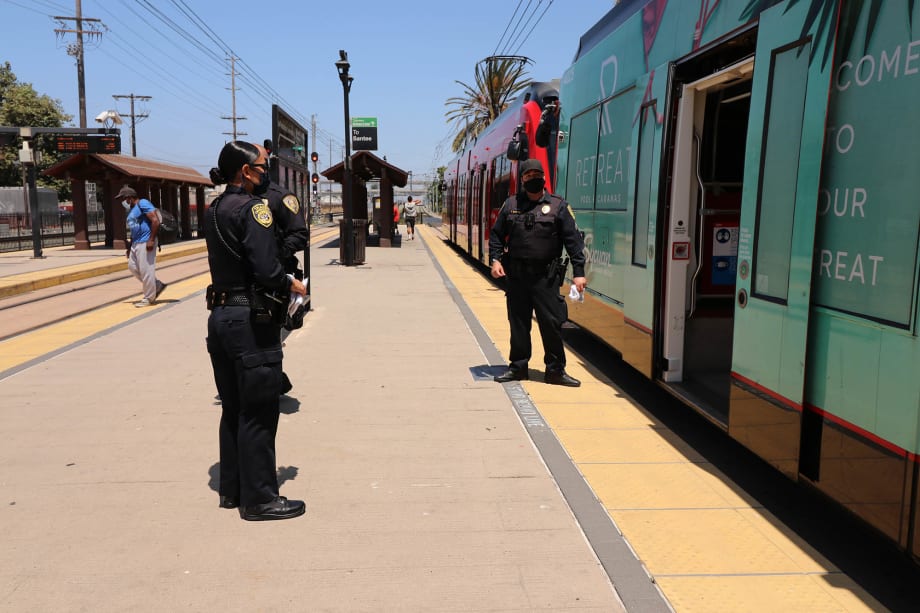
Officer training has already begun and testing on the new policy will begin next week.
San Diego MTS
San Diego’s Metropolitan Transit System (MTS) is making changes to its security department’s use of force policy. MTS staff briefed the board on the changes at its meeting last week. The use of force changes come as one of several reforms the transit agency is making to its security department.
“These reforms to the use of force policy are another step in our effort to comprehensively restructure our approach to transit safety. We will continue working to ensure the dignity and safety for our passengers,” said Chair of MTS Nathan Fletcher.
The agency used many of the principles in the “8 Can’t Wait” campaign and as a guideline for the policy changes. The updates also keep the use of force policy in line with recent state laws to police reform. Officer training has already begun and testing on the new policy will begin next week. Significant updates include:
Banning carotid restraints and choke holds, including the prohibition of using knee pressure on the neck, throat, or head.
Requiring use of force to be proportional to the seriousness of the subject’s offense.
A duty to intervene if witnessing excessive force by another employee.
Requiring de-escalation tactics when feasible (de-escalation training was previously provided, but now written into policy).
Requiring a warning prior to use of force.
The policy changes will apply to 64 internal MTS Code Compliance Inspectors and 158 contracted security officers. In addition to the use of force policy changes, MTS will also begin a fare diversion pilot program Sept. 1 to help riders caught without a fare avoid court fees and criminal citation. The agency is also in the process of conducting a third-party audit of its security policies and procedures.
MTS continues to operate about 95 bus routes and three Trolley lines. Frequencies and spans have been restored to near-pre-COVID-19 levels. Updated schedules can be accessed on the MTS website. MTS asks that that people wear face coverings at all times and practice physical distancing when possible.
More Security and Safety
LADOT to Launch Bus-Mounted Camera Enforcement on DASH Buses
The program will begin with a 60-day warning period before citations are issued in January 2027, joining similar efforts across Southern California to improve bus reliability, safety, and accessibility.
Read More →
New York MTA Launches Historic $1.9B Signal, Track Modernization Project
Funded in part by congestion pricing revenue, the project will replace nearly century-old signals along the A and C lines in Brooklyn and Queens.
Read More →
CSA Group Releases Climate Resilience Standard for Transit, Passenger Rail
Developed with support from the Standards Council of Canada, CSA D700 guides assessing climate-related risks and planning adaptation measures for transit and passenger rail systems.
Read More →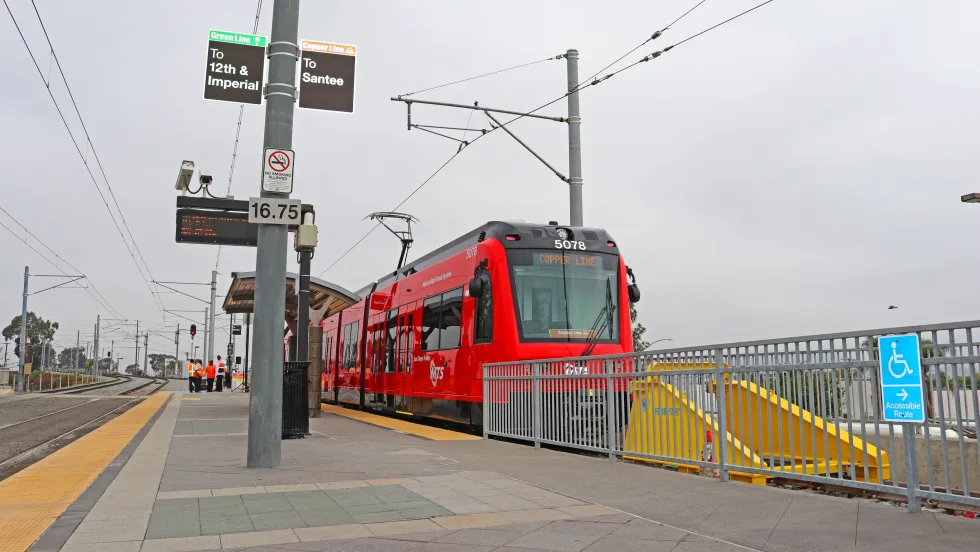
San Diego MTS Approves New Fare Evasion Penalty Program
The new administrative process will move eligible violations out of the criminal court system, cap penalties at $125, and provide flexible payment options for riders.
Read More →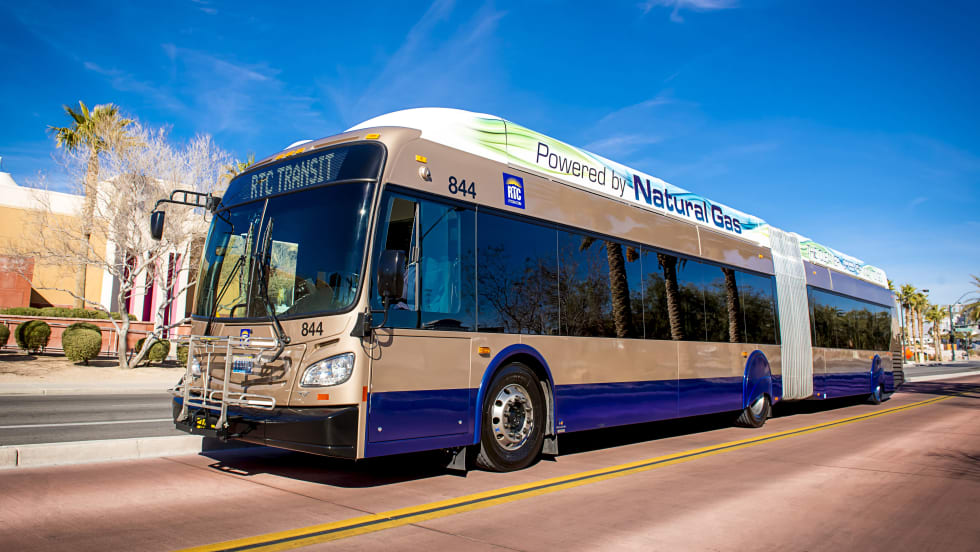
RTC of Southern Nevada Reports 29% Drop in Transit Operator Assaults
The agency credits expanded security measures, employee training, and technology investments for improvements in transit safety, while security officers have responded to 19 suspected overdoses since July.
Read More →
Public Transit Conference Returning to GFX in 2027, Call for Papers Now Open
The Call for Papers is now open, allowing transit agency professionals and industry experts to help shape the PTC educational program by submitting session ideas for consideration.
Read More →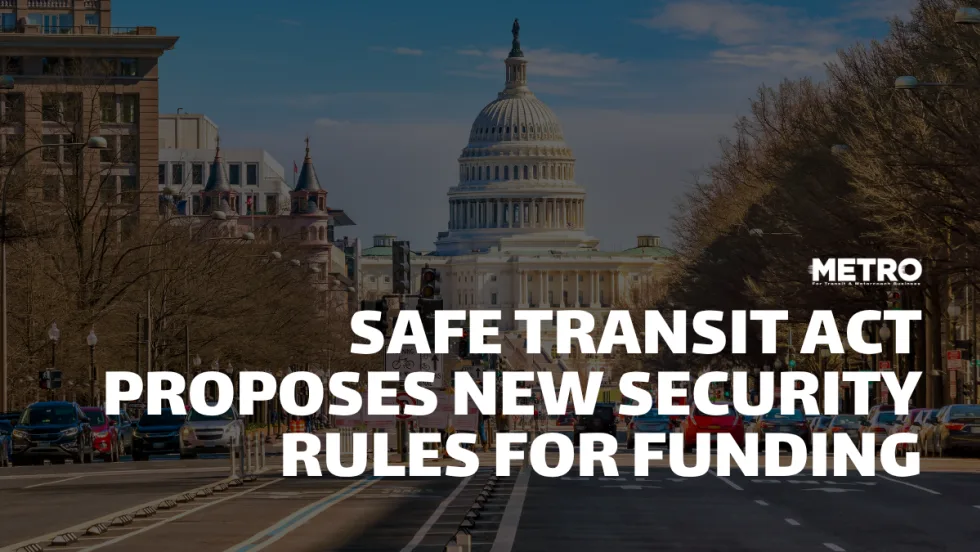
Safe Transit Act Proposes New Security Requirements for Federal Transit Funding
Proposed legislation would link federal transit dollars to safety measures while requiring security investments, onboard cameras, and new fare collection standards.
Read More →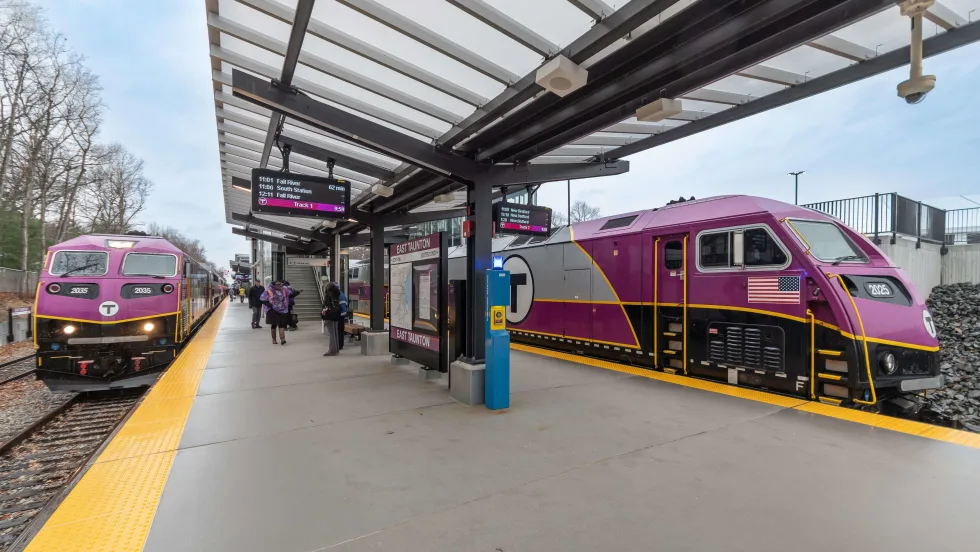
FTA Ends Direct Oversight of MBTA Safety Actions
The federal agency closed its remaining special directive to the Massachusetts Department of Public Utilities following a safety review that began in 2022.
Read More →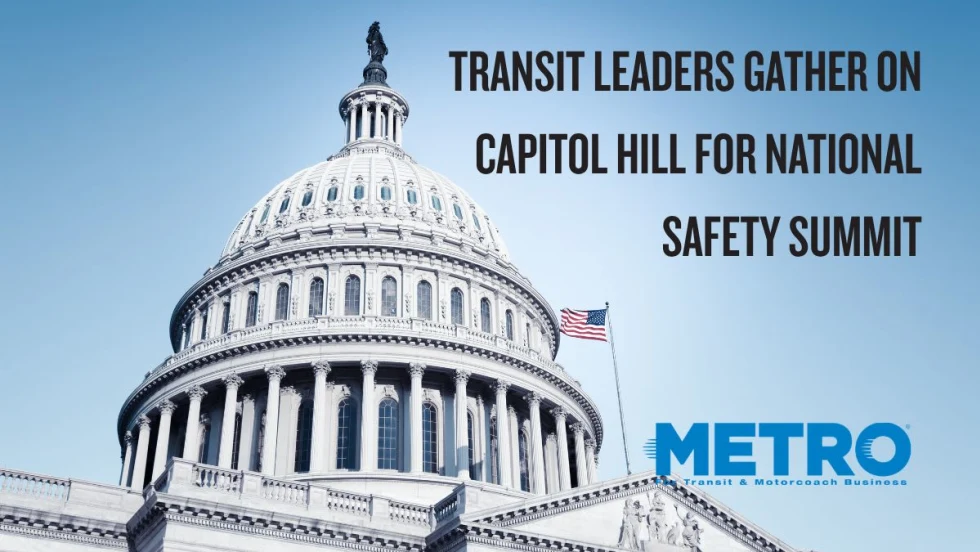
Transit Agencies Highlight Safety Gains at National Summit
Leaders from 15 major transit systems shared crime-reduction results and safety initiatives while discussing the role of continued federal support.
Read More →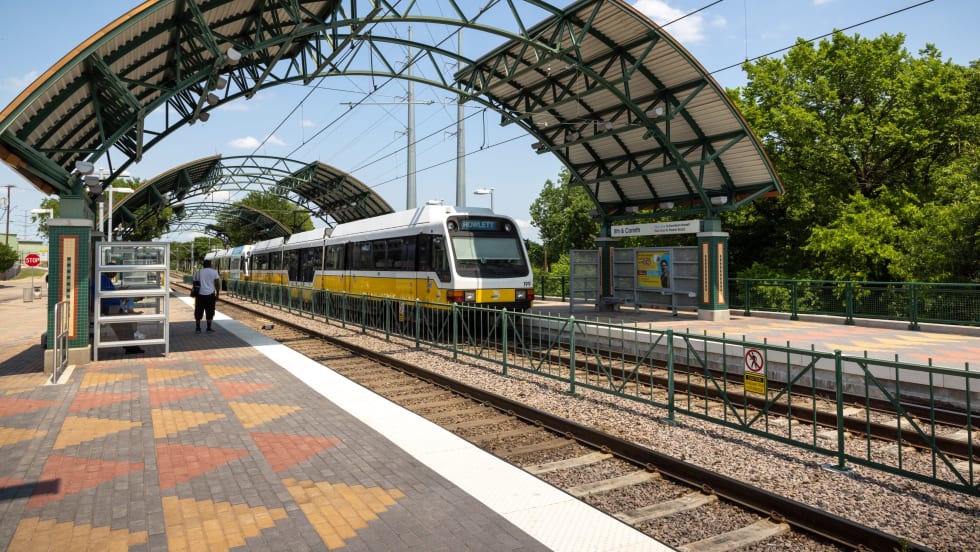
DART Launches Major Security, Fare Enforcement Initiative
The 90-day demonstration will deploy coordinated security teams at five light rail stations while testing controlled access and gathering data to guide future investments.
Read More →