



RideKC, Swiftly Partner to Improve Real-Time Information
As part of this project, Swiftly is leveraging existing GPS data from onboard broadband routers and the agency’s dispatch system, Trapeze’s TransitMaster.

Swiftly leverages this vehicle position information to more accurately predict when the next bus will arrive, rather than relying solely on the existing dispatch system
KCATA
The Kansas City Area Transportation Authority (KCATA) partnered with Swiftly Inc. to bring improved real-time transit arrival and vehicle crowding predictions to RideKC. The improvements were tested internally at KCATA in 2020 and are now fully implemented.
As part of this project, Swiftly is leveraging existing GPS data from onboard broadband routers and the agency’s dispatch system, Trapeze’s TransitMaster. Swiftly leverages this vehicle position information to more accurately predict when the next bus will arrive, rather than relying solely on the existing dispatch system. Customers and RideKC staff can now access more accurate bus arrival and position information right from their phone, via the free Transit app, which will also improve accuracy of real-time information available at digital displays, including those along Prospect MAX.
Swiftly gives customers more frequent location updates every few seconds, instead of every 30 seconds. When a bus is traveling at 30 miles per hour down a major thoroughfare, that can be the difference between missing the bus and the bus being a block away.
Transit app is using the same feed to provide real-time vehicle crowding information using existing Automated Passenger Counters (APCs) onboard select vehicles. Eventually, the entire RideKC fleet will be capable of providing this information, which has been widely adopted during the COVID-19 pandemic.
More Technology
Video Surveillance in Public Transit: What Riders Really Think
As video surveillance gains public acceptance, new research from Axis Communications reveals what transit riders expect from agencies when it comes to safety, privacy, and AI.
Read More →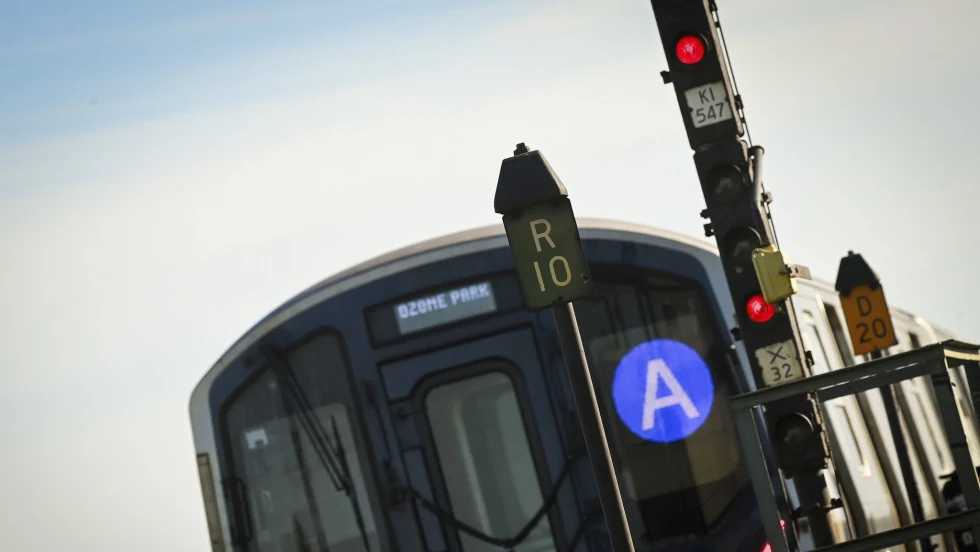
New York MTA Launches Historic $1.9B Signal, Track Modernization Project
Funded in part by congestion pricing revenue, the project will replace nearly century-old signals along the A and C lines in Brooklyn and Queens.
Read More →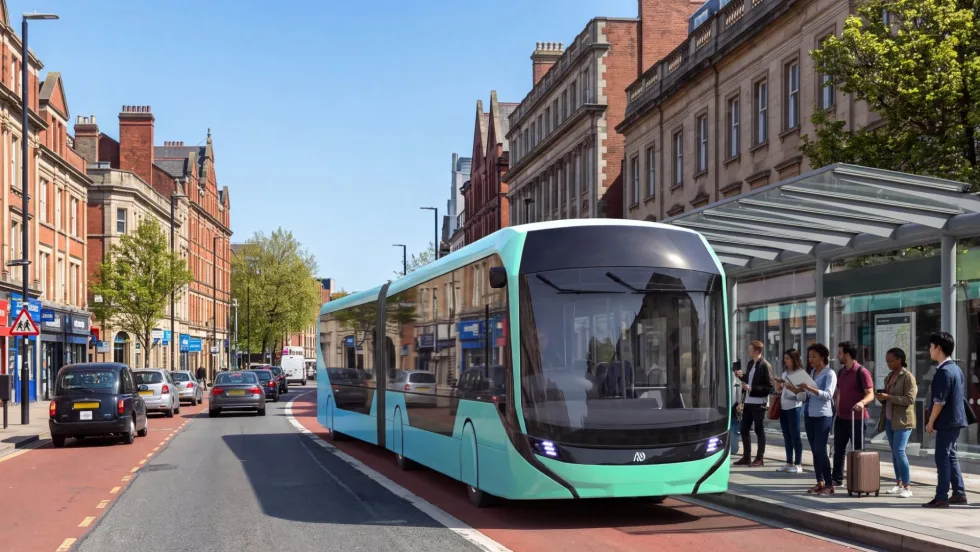
Biz Briefs: New Electric Offering from Alexander Dennis/Volvo, Transdev in Boston, and More
In METRO's latest installment, we also take a look at recent news from STV, WSP, Prevost, and more partnerships making headlines across the transportation sector.
Read More →
Roman Cornell on ABC Companies’ Evolution and the Future of Passenger Transportation
The company’s CEO discusses carrying forward a third-generation family legacy, ABC’s continued evolution in passenger transportation, support for increasingly complex fleets, and how technology and continued investment could help operators improve uptime.
Read More →
ETA CEO John Maglio on Transit Technology, Innovation, and Building Agency Trust
ETA founder and CEO John Maglio explores the evolution of transit technology, the importance of reliable systems, and how stronger partnerships can help agencies improve operations and the passenger experience.
Read More →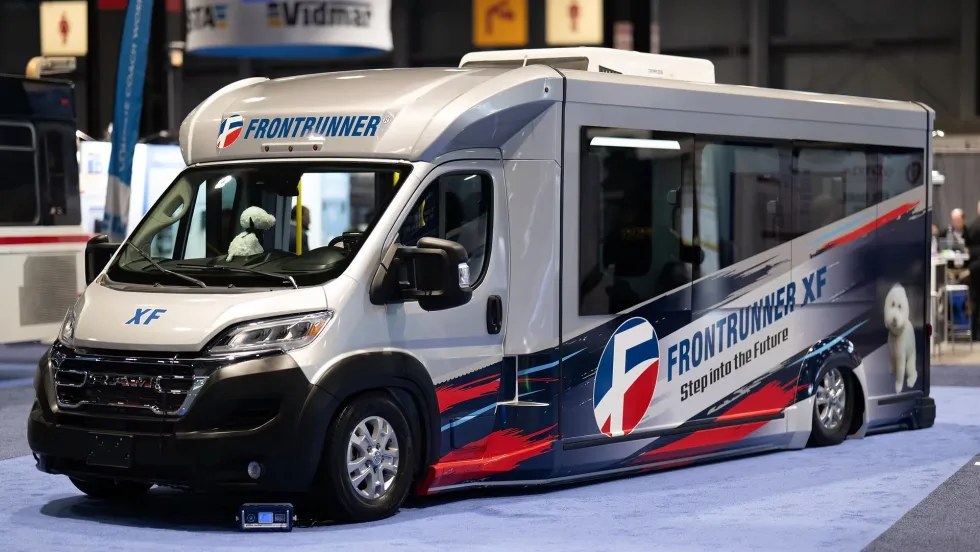
Frontrunner Bus Group Introduces XF Low-Floor Bus with Enhanced Accessibility
The new mid-sized bus features a full flat-floor design, eight-inch curbside step-in height, and zero-entry rear ramp to improve passenger access and operational flexibility.
Read More →
Building a Flexible Path to Transit Electrification with BAE's John Hroncich
John Hroncich discusses BAE Systems’ modular and scalable approach, lessons learned from decades of real-world operations, and how agencies can identify electrification strategies that fit their fleets.
Read More →
Scenes from APTA TRANSform & EXPO 2026
Transit leaders, manufacturers, and industry professionals gathered in Chicago to explore new technologies, share ideas, and discuss the future of public transportation.
Read More →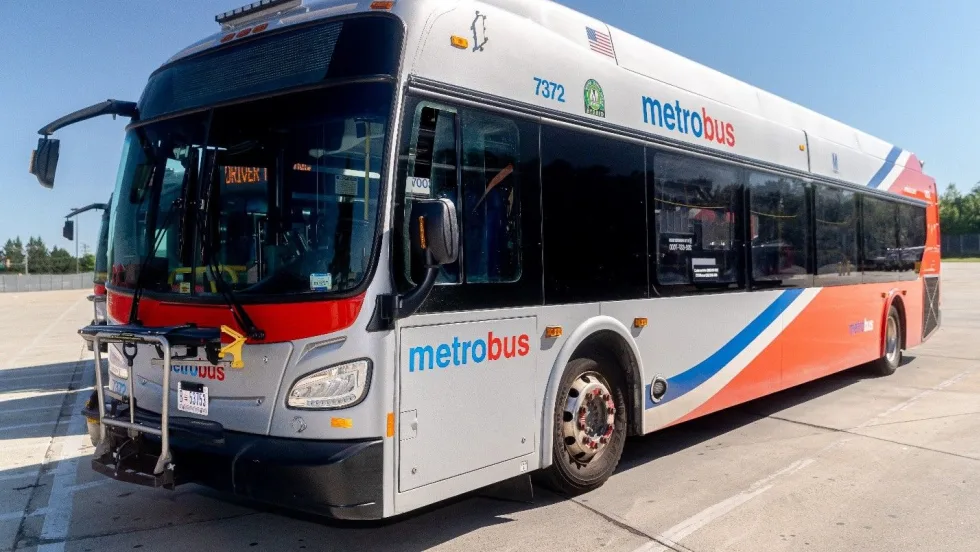
Biz Briefs: New Flyer Secures Additional 100-Bus Order from WMATA and More
In METRO's latest installment, we also take a look at recent news from Masabi, MCI, Samsara, and more partnerships making headlines across the transportation sector.
Read More →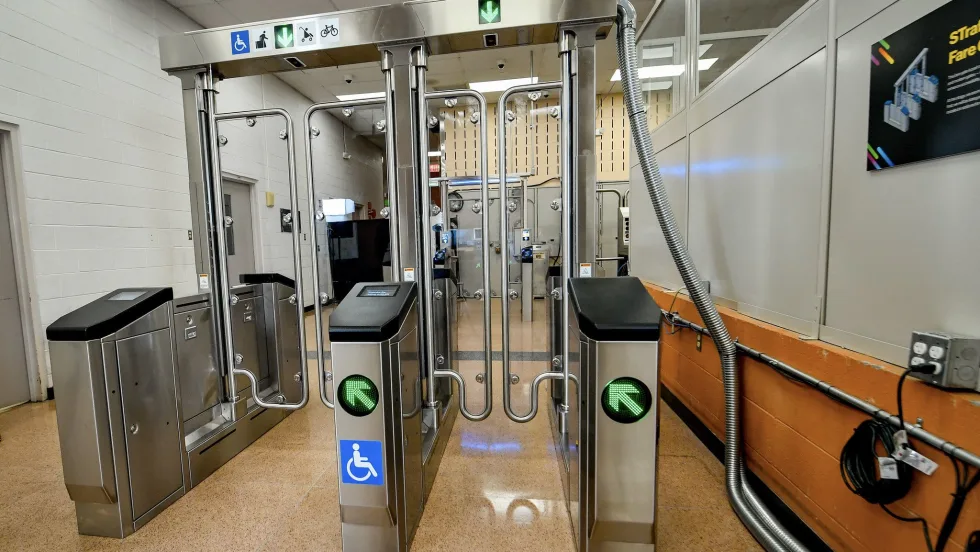
MTA Fare Gate Pilot Reduces Fare Evasion by 35%
Following a 20-station pilot, the agency plans to install new fare gates at 20 additional subway stations as part of a $1.1 billion modernization initiative.
Read More →