



MTI Research Shows Best Practices for Getting State Rail Plans Back on Track
The study is titled "A Model for Integrating Rail Services with Other Transportation Modalities: Identifying the Best Practices and the Gaps for California’s Next State Rail Plan."

The MTI research was used to the California State Rail Plan (CSRP) to compare the state rail service plans for all 50 states.
Photo: Unsplash
Mineta Transportation Institute (MTI) researchers identified the best practices and gaps to help California and other states with their future rail service plan development in the new study, A Model for Integrating Rail Services with Other Transportation Modalities: Identifying the Best Practices and the Gaps for California’s Next State Rail Plan.
The research was used to the California State Rail Plan (CSRP) to compare the state rail service plans for all 50 states.
The state plans examined in this research were those submitted to the FRA as of June 2020.
Research steps included:
Outlining the elements of FRA’s 2013 state rail plan guidance
Identifying and reviewing other sources of rail plans
Summarizing, comparing, and evaluating innovative practices of these plans
Preparing commentary and analysis identifying improvements that California and other states could make in preparing and submitting future rail service plans.
The following recommendations are offered:
1. Establish measurable performance standards
2. Enhance resilience of rail infrastructure
3. Draw on parallels of rail to interstate highway system
4. Innovate means of rail funding
5. Create decision making frameworks with tools to improve future system performance
6. Establish state and regional rail advisory bodies
7. Perform periodic review of rail plan implementation
8. Conduct active outreach to the public and stakeholders
9. Support ongoing initiatives by Caltrans
10. Revise FRA guidance to promote more nationally cohesive rail planning
“We found academic literature regarding optimal, state-level rail applications were consistent with the FRA’s state rail plan guidance,” said the study’s co-author Dr. Wenbin Wei. “A review of each state rail plan from across the county reflected differing attitudes, realities, and needs related to rail networks from state to state—identifying unique connections to their region, but also displaying lower levels of engagement in proficient rail planning.”
More Rail
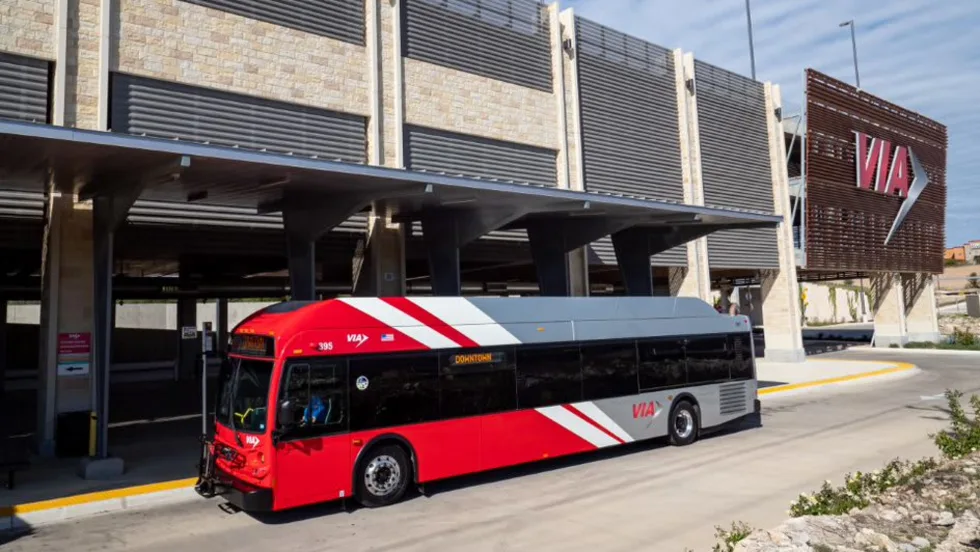
VIA, MBTA Reach Pre-Pandemic Ridership Milestones as Transit Use Climbs
VIA surpasses three million monthly trips for the first time since 2020, while the MBTA tops one million average weekday trips as both agencies report continued ridership growth.

People Movement: Metrolink's Kettle Announces Retirement, Feakins to CEO at UZURV, and More
In this edition, we also cover recent appointments and announcements at King County Metro, SilverRide, and more, showcasing the individuals helping to shape the future of transportation.
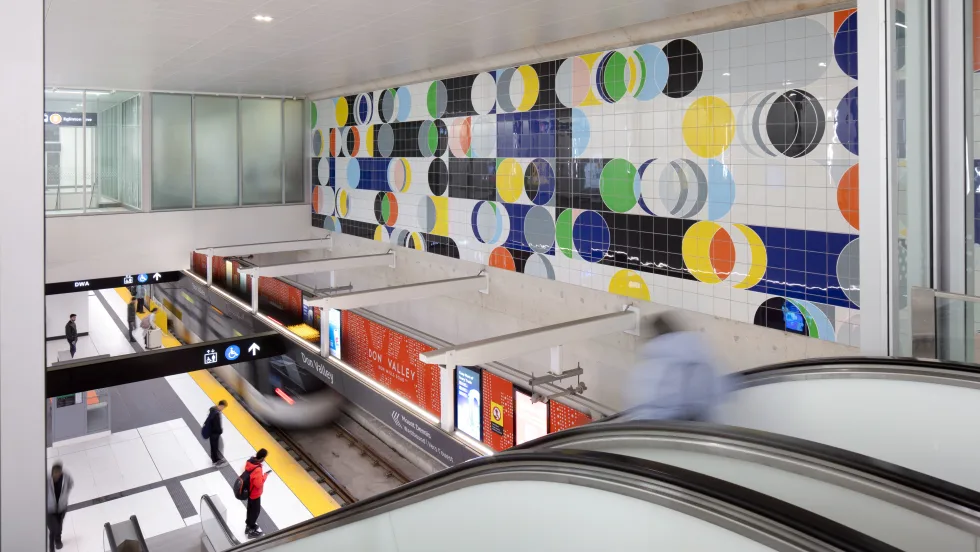
How Gen Z's Changing Mobility Habits Are Reshaping Public Transit
As younger generations embrace multimodal mobility over private vehicles, transit agencies can rethink station design, the passenger experience, and public transportation's role in building connected communities.
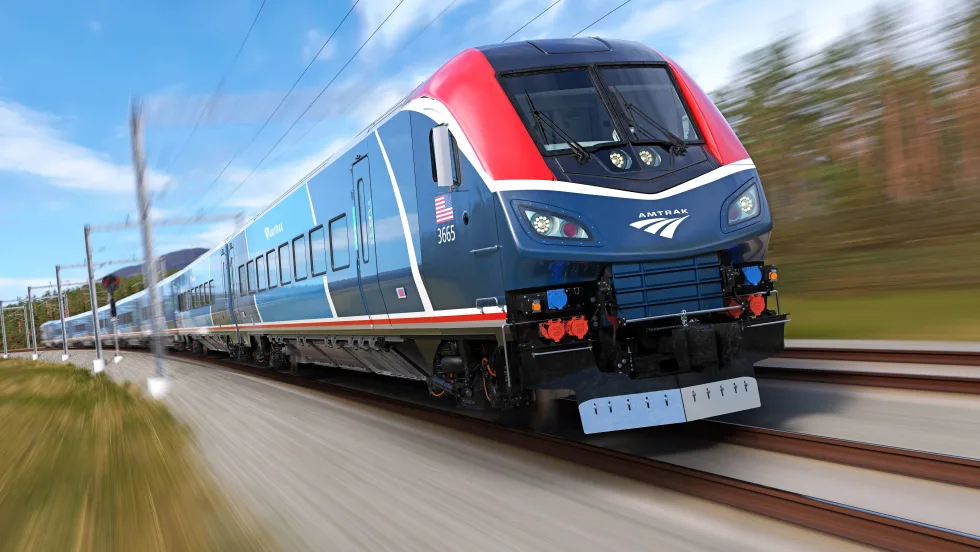
Amtrak Expands Airo Fleet with Eight Higher-Capacity Trainsets
The new 10-car trains, expected to enter service in 2031, will provide about 34% more seating capacity to meet growing demand on the Northeast Corridor.

APTA Urges FTA to Withdraw Proposed Capital Investment Grants Guidance
The association warns that proposed changes could delay transit projects, reduce federal funding, and create new hurdles for 47 projects currently in the CIG pipeline.

Amtrak, NJ TRANSIT Launch Full Service on New Portal North Bridge
The completion of the two-track bridge over the Hackensack River eliminates a longstanding source of delays for NJ TRANSIT and Amtrak customers. It marks a major milestone for the Gateway Program.
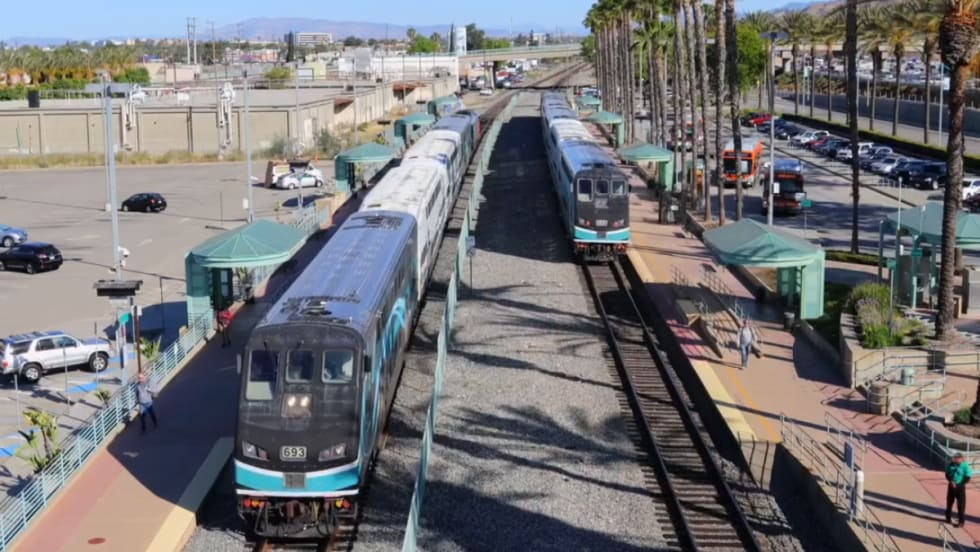
Southern California’s Metrolink Approves $508.8M Budget, Avoids Service Cuts
A $20 million state allocation allows the regional rail agency to maintain existing weekday and weekend service through fiscal year 2028, although longer-term funding challenges remain.
NJ TRANSIT Approves $65.6M for Hudson-Bergen Light Rail Improvements
The funding marks the first phase of a planned $250 million investment over five years to modernize stations, overhaul vehicles, and improve system reliability and passenger safety.

STraffic Expands North American Presence with Fare Collection Technology
John Moon, Associate Director, Product Strategy at STraffic, discusses the company's growth in North America, its efforts to reduce fare evasion, and more.

Study: Denver RTD Generates $2.1 Billion in Annual Economic Activity
An economic impact study finds the agency supports approximately 17,500 jobs, delivers $1.6 billion in annual community and mobility benefits, and generates $2.42 in economic value for every dollar invested.