



Bacteria-Killing Copper to be Installed on Toronto, More Vancouver Transit Vehicles
The new round of testing seeks to confirm those results from the first phase in Vancouver by evaluating copper surfaces on more transit vehicles over a longer duration of time across two different regions.

The results of this trial could improve understanding of options for infection prevention for the transit industry and other industries that rely on shared public spaces, according to the agencies.
TransLink
Antimicrobial copper coatings are being installed on high-touch transit surfaces on Toronto Transit Commission (TTC) vehicles and more TransLink vehicles following a successful pilot phase that supports copper’s ability to kill up to 99.9% of bacteria on transit surfaces.
The new round of testing seeks to confirm those results from the first phase in Vancouver by evaluating copper surfaces on more transit vehicles over a longer duration of time across two different regions. For this phase, the medical microbiology teams at Vancouver Coastal Health (VCH) and Mount Sinai Hospital/University Health Network will be undertaking regular bacteria testing, and VCH will be conducting laboratory testing on copper’s ability to kill viruses in addition to bacteria.
The trial, fully funded by Teck Resources Limited (Teck) as part of its Copper & Health program, will outfit copper on high-touch surfaces on several TTC buses, subway cars, and streetcars, as well as several TransLink buses and SkyTrain cars.
Trial Details
This trial will test three types of products including functional copper surface layers, copper alloys, and copper decals.
Copper products will be installed on buses, subway cars, and streetcars in the Greater Toronto Area as well as buses and SkyTrains in Metro Vancouver.
Samples will be analyzed from copper surfaces as well as non-copper surfaces on transit by VCH’s medical microbiology team, supported by Mount Sinai Hospital/University Health Network in Toronto and the University of British Columbia in Vancouver. These tests will occur every two months over a one-year period.
Researchers from the University of British Columbia will also test and analyze the durability of the three products as they age over the course of the year.
This trial is being conducted at no cost to either transit service.
The results of this trial could improve understanding of options for infection prevention for the transit industry and other industries that rely on shared public spaces, according to the agencies.
The project is the result of a partnership between Teck Resources Limited, Toronto Transit Commission, TransLink, Vancouver Coastal Health (VCH), Mount Sinai Hospital/University Health Network, the Coalition for Healthcare Acquired Infection Reduction, UBC Department of Materials Engineering, VGH & UBC Hospital Foundation, and Westech Cleaning Audit Systems. The trial follows preceding studies conducted by the Infection Prevention and Control team at VCH that have shown copper to be highly durable and effective at killing bacteria in laboratory and healthcare settings.
More Security and Safety

Transit Agencies Highlight Safety Gains at National Summit
Leaders from 15 major transit systems shared crime-reduction results and safety initiatives while discussing the role of continued federal support.
Read More →
DART Launches Major Security, Fare Enforcement Initiative
The 90-day demonstration will deploy coordinated security teams at five light rail stations while testing controlled access and gathering data to guide future investments.
Read More →
RTD Launches NextRide App to Consolidate Trip Planning, Fares, Security Reporting
The app expands on RTD’s existing NextRide web application and allows customers to view real-time vehicle locations and service alerts, purchase and store digital fares, and access customer support.
Read More →
TAPTCO Updates OSHA Compliance Training for Transit Maintenance Operations
The revamped program addresses 26 OSHA standards for maintenance facilities, with TAPTCO pointing to training, documentation, and everyday shop hazards as continuing challenges for transit operations.
Read More →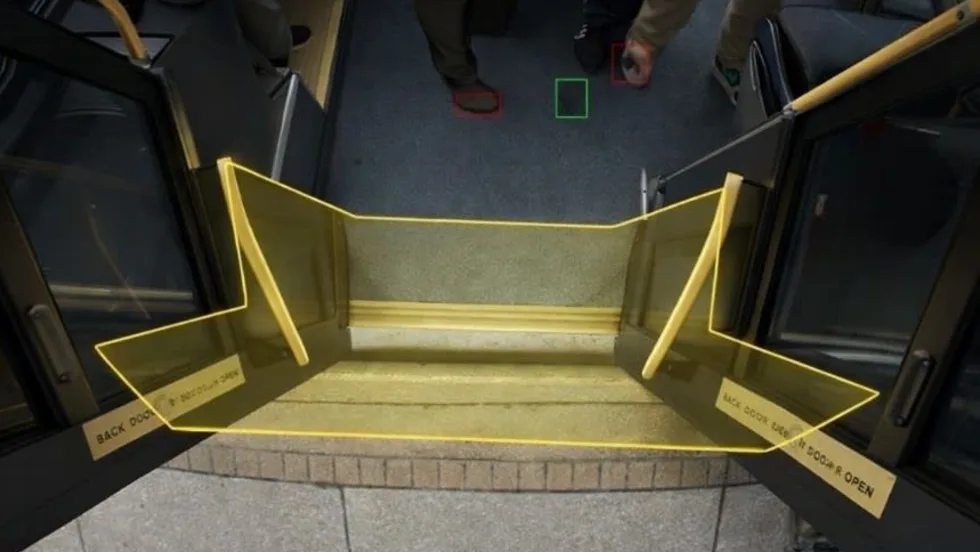
How VaporVision Adds Value to Transit Door Systems
Wabtec engineers explain how the system improves doorway detection, strengthens diagnostics and gives transit agencies and OEMs greater operating flexibility.
Read More →
FRA Announces $5.3B in Rail Investments, Including $2B for Amtrak
Funding will support grade-crossing improvements, infrastructure upgrades, and new Amtrak equipment in 23 states.
Read More →
Chicago, Maryland Expand Non-Law-Enforcement Safety, Rider Support
The CTA and MTA are launching new programs aimed at de-escalation, crisis response, rider assistance, and greater transparency.
Read More →
LA Metro, City of West Hollywood, and Partners Advance Smarter Bus Lane Enforcement
The award-winning partnership combines AI-powered detection with human oversight to improve bus reliability, accessibility, and enforcement efficiency.
Read More →
LA Metro Reports 57% Decline in Homelessness on Transit System Since 2024
The agency's latest homelessness count offers new data on how care-based services and cross-sector partnerships can complement traditional transit security strategies.
Read More →
FTA Launches 'Transit Moves America' Dashboard to Highlight Agency Safety and Performance
The online dashboard transforms National Transit Database information into a public-facing resource that allows users to compare transit agencies on key operational and safety metrics.
Read More →