



GCRTA Becomes First Transit Authority to Sign 'The Hispanic Promise'
Equity/Infrastructure Project Launches With Major Support
Through its pledge, EIP will work to secure commitments from public agencies to increase the number, size, and scope of contracts going to HUBs.
by Staff
April 27, 2022
EIP was founded by Denver International Airport CEO Phillip A. Washington, former US Deputy Secretary of Transportation John D. Porcari, and others in anticipation of the $1.2 trillion Infrastructure Investment and Jobs Act.
Photo:
2 min to read
The Equity in Infrastructure Project (EIP) has launched to improve public contracting practices by creating more opportunities for Historically Underutilized Businesses (HUBs) to build generational wealth and reduce the racial wealth gap by creating more prime, joint venture, and equity contracting opportunities for these firms.
Through its pledge, EIP said it will work to secure commitments from public agencies to increase the number, size, and scope of contracts going to HUBs by facilitating access and reducing barriers to compete for business.
EIP defines HUBs as including firms formally designated as DBEs, Minority and Women-Owned Business Enterprises (M/WBE), Small Business Enterprises (SBE), as well as any other business classification used locally in the U.S. intended to increase the participation of underutilized firms, which can vary by state, region, and municipality.
EIP was founded by Denver International Airport CEO Phillip A. Washington, former US Deputy Secretary of Transportation John D. Porcari, and others in anticipation of the $1.2 trillion Infrastructure Investment and Jobs Act.
EIP launches with the following First Mover signers of its pledge:
Chicago Transit Authority – Dorval R. Carter, Jr., President
Denver International Airport – Phillip A. Washington, CEO
Port of Long Beach – Mario Cordero, Executive Director
Metropolitan Water District of Southern California – Adel H. Hagekhalil, General Manager
Southeastern Pennsylvania Transportation Authority (SEPTA) – Leslie S. Richards, General Manager and CEO
The pledge was finalized after the above five leaders gathered in Washington, D.C. in December 2021 alongside senior leaders from the public, private, and philanthropic sectors, including representatives from USDOT, the Environmental Protection Agency, HNTB, AECOM, The James Irvine Foundation, members of Congress, and others to work with this initiative.
Starting from the baseline of their current actions and initiatives, by December 2025, pledge signers will work to increase the number, size, and percentage of HUBs growing to prime contractors, participating in joint ventures or as equity participants.
More Management

Biz Briefs: STV teams with Amtrak, Motorcoach Operators Boost Fleet and Land Contracts, and More
From manufacturers and suppliers to transit agencies and motorcoach operators, these updates offer a snapshot of the projects, partnerships and business moves driving the industry forward.
Read More →
Massachusetts Approves $530M to Strengthen MBTA Operations, Infrastructure
The funding package targets operating stability, capital improvements, and fare affordability, offering a model for agencies navigating long-term funding challenges.
Read More →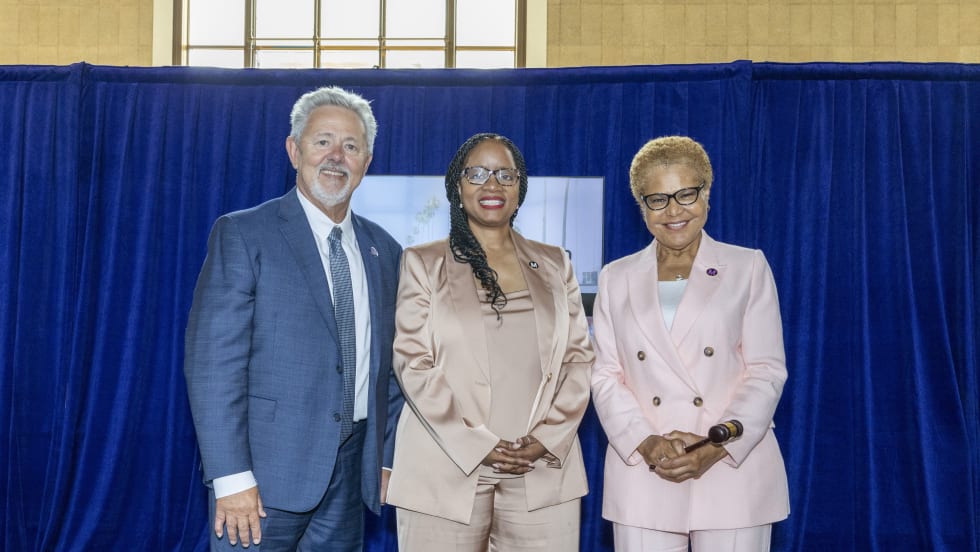
LA Metro Marks Banner Year, Sets Ambitious Goals for New Fiscal Year
Incoming LA Metro Board Chair and Los Angeles Mayor Karen Bass joined outgoing Board Chair Fernando Dutra and LA Metro CEO Stephanie Wiggins to review accomplishments from fiscal year 2026, which included the opening of new rail extensions, advancement of major transit projects, expanded safety programs, and new rider amenities.
Read More →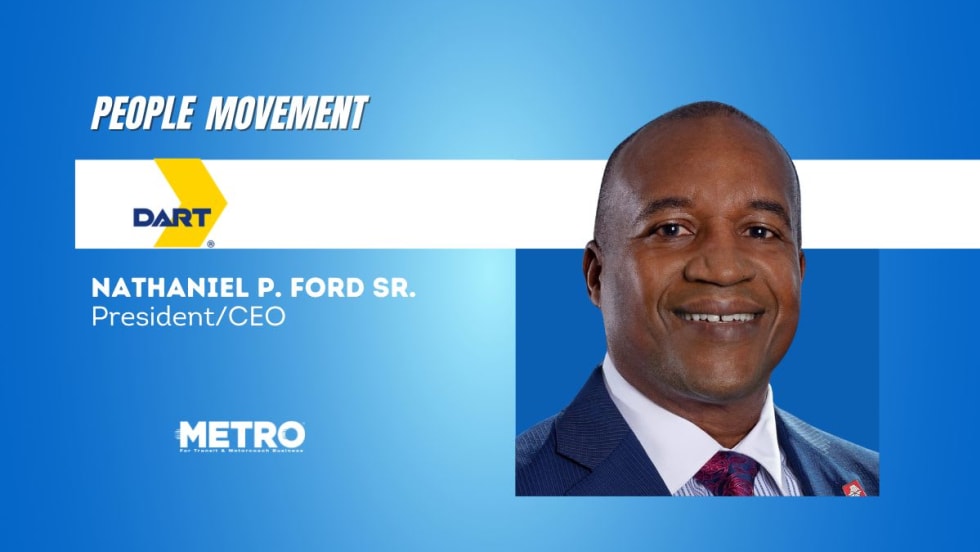
DART Taps Nathaniel P. Ford Sr. as Next President/CEO
Since 2012, Ford has served as the CEO of the Jacksonville Transportation Authority
Read More →
AC Transit’s Cecil Blandon on Building the Next Generation of Transit Maintenance Leaders
The agency’s maintenance chief discusses leadership, workforce development, zero-emission technology, and preparing technicians for the future of public transportation.
Read More →
California High-Speed Rail Authority Signs MOU to Advance High Desert Corridor
The agreement deepens collaboration between the California High-Speed Rail Authority and the High Desert Corridor Joint Powers Agency, supporting design integration, cost savings, and faster delivery of a key Southern California rail link.
Read More →
Building the Next Generation of Transit Technology
In this edition of METROspectives, Luminator CEO Magnus Friberg discusses the company's transformation, the growing role of AI and software, and what's next for transit technology.
Read More →
How Data, Strategy, and Community Engagement Are Reshaping Transit
In this edition of METROspectives, strada360 CEO Steve Lassey discusses how transit agencies can better align planning with operations, leverage data to improve decision-making, and build public trust as they prepare for the future of mobility.
Read More →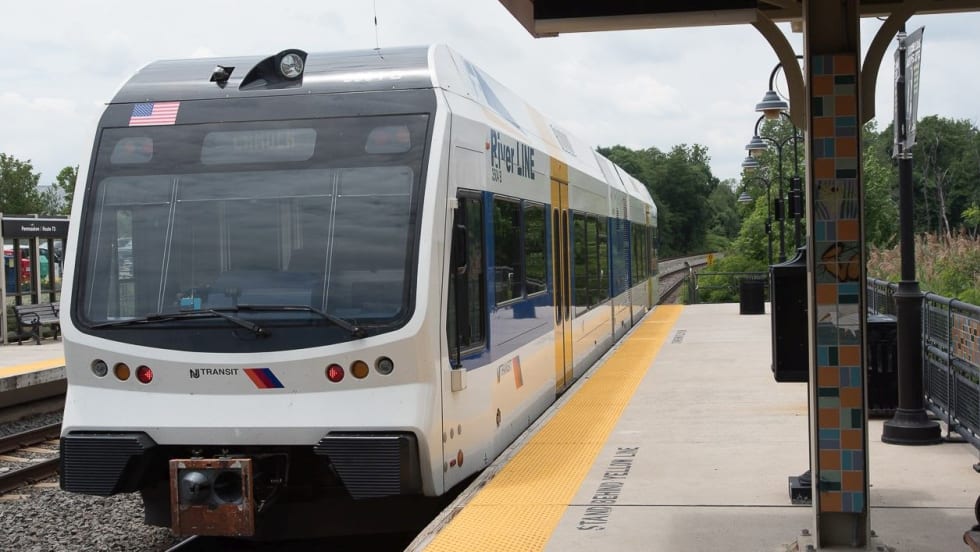
NJ TRANSIT Secures Capital Funding, Adopts FY2027 Budget
The budgets continue investments in infrastructure and equipment to maintain the system in a state of good repair and enhance the overall customer experience.
Read More →
Federal Railroad Administration Study Finds Upgrades Could Boost Penn Station Capacity by One-Third
The study outlines a roadmap for increasing train throughput while preparing Penn Station for future growth across the Northeast Corridor.
Read More →