



NITA Launches New Era of Regional Transit in Chicago
The new authority replaces the RTA and brings CTA, Metra, and Pace under a strengthened regional framework for funding, planning, fares, safety, and service coordination.


New regional public safety measures will include a Transit Ambassador program and a new NITA Office of Transit Safety and Experience, which will oversee the coordination of safety responses across the system.
Kevin Mach
- The newly formed NITA replaces the former RTA in the Chicago region.
- NITA encompasses CTA, Metra, and Pace under a unified regional framework.
- The authority focuses on funding, planning, fares, safety, and service coordination.
*Summarized by AI
The Northern Illinois Transit Authority (NITA) officially begins operations as the nation’s second largest transit authority by passenger miles driven by the system’s operators — the Chicago Transit Authority (CTA), Metra, and Pace, launching a new regional approach to how public transit is funded and coordinated across the Chicago region.
Created by the Illinois General Assembly through the Northern Illinois Transit Authority Act (PA104-0457), signed into law by Governor JB Pritzker in December 2025, NITA replaces the Regional Transportation Authority (RTA) and strengthens regional coordination across CTA, Metra, and Pace. Together, the three transit agencies provide more than 1.3 million rides a day.
No Change for Customers
For riders, the transition to NITA will not change who operates their bus or train, said officials. All services previously provided by the RTA, such as ADA Paratransit Certification, Ride Free and Reduced Fare programs, and the Access Program for riders with low incomes, will continue under NITA.
Riders will continue to see better connections between buses and trains, more frequent and reliable service, simpler fares and payment options, stronger coordination around public safety, better access to real-time information, and a more accessible transit system. New public safety measures will include a Transit Ambassador program and a new NITA Office of Transit Safety and Experience, which will oversee the coordination of safety responses across the system.
“A year ago, our state’s transit was facing a doomsday scenario, with service cuts and fare hikes that would have left riders stranded,” said Governor JB Pritzker. “Together with our partners in the General Assembly, we stepped up to support riders, keep transit affordable and improve services. Today, NITA is driving Illinois forward with a transformative vision to deliver a reliable, safe, and unified public transportation system for the entire region.
Benefits of NITA
The NITA Act pairs major new investment with a new regional approach to planning, oversight, and service delivery, said officials. The legislation provides approximately $1.5 billion annually to stabilize and strengthen public transit across Illinois, including an estimated $1.2 billion in new annual operations funding for northeastern Illinois in 2027, the first full year of new revenue.
Work is already underway to deliver on the promise to riders. Since the NITA Act was signed, $132 million has been directed toward near-term improvements across CTA, Metra, and Pace, including expanded, more reliable service; efforts to address rail slow zones and chronic bus delays; new safety and security resources; and expanded access to affordable fares.
“This is the beginning of a transformation that will ultimately be measured by what riders experience every day,” said Maulik Vaishnav, chief transition officer of NITA. “Our job is to build a system with more frequent and reliable service, dependable connections, simpler fares, safer and more accessible trips, and information riders can trust. The NITA Act gives us the regional authority and resources to bring those pieces together as one network.”
What Customers Can Expect
NITA’s launch begins a multi-year transition with the following planned improvements:
- No interruption to existing services. All programs and services previously provided by the RTA, CTA, Metra, or Pace will continue uninterrupted, and previous RTA contact information and website URLs will remain active alongside new NITA contact info for accessing services and personnel.
- Improved service delivery. NITA will establish regional standards for frequency, hours of service, travel time, on-time performance, and connectivity, creating a consistent framework for planning, measuring, and improving transit service quality across the region.
- Simpler, more affordable fares. NITA will set fares across CTA, Metra, and Pace, implement fare capping and expanded reduced-fare programs, and move toward a unified, modern fare system.
- An integrated approach to public safety. New investments will support additional public safety and security resources, crisis intervention and outreach, and development of a regional Transit Ambassador program. NITA will also coordinate regional safety strategies among transit operators, law enforcement, and social service partners.
- More strategic investment. NITA will advance the five-year regional capital program to prioritize investments based on system needs and clear performance criteria, helping the region modernize aging infrastructure and make investments where they can have the greatest impact for riders.
- Greater accountability. Regional service and performance standards will provide riders and policymakers with clearer measures for evaluating reliability, accessibility, safety, cleanliness, and overall system performance.
- Enhanced transparency. NITA is committed to transparent reporting and responsible stewardship, providing riders and the public with clear information on system performance, investments, and progress. Learn more and access rider information at nita.illinois.gov or follow NITA social media.
NITA officials said the transition will take place over several years, with major milestones beginning in 2027 and continuing through 2030. Throughout the process, the agency will engage riders, communities, workers, and regional partners in developing service standards, safety programs, fare policies, and future investment priorities. Upcoming rider engagement sessions are slated for this fall.
Quick Answers
NITA is the new regional transit authority in Chicago, replacing the RTA and integrating CTA, Metra, and Pace under a unified framework.
*Summarized by AI
More Management

COTA Launches First Customer Experience Action Plan to Improve Transit Service
The new plan outlines improvements to service reliability, accessibility, communication, and the overall rider experience across Central Ohio's transit system.
Read More →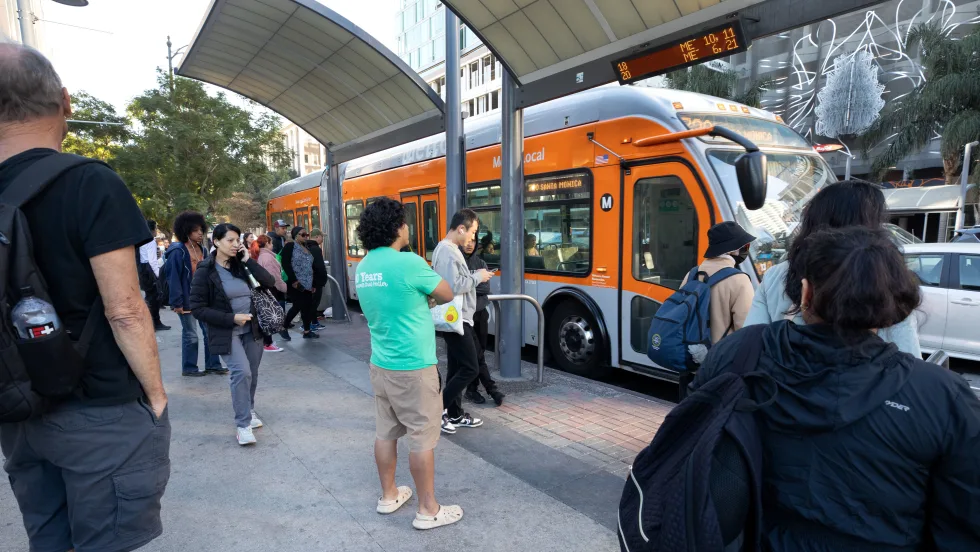
LA Metro September Ridership Climbs 3.9%, Led by Rail Growth
The agency recorded more than 27.2 million boardings, with rail ridership increasing 12.4% year over year and the D Line posting the largest gains.
Read More →
Utilimarc Launches SmartReplace to Optimize Fleet Replacement Decisions
AI-powered SmartReplace helps fleets prioritize vehicle replacements, model budget scenarios, and build more defensible long-term strategies.
Read More →
APTA Honors 2026 Award Winners, Hall of Fame Inductees at TRANSform & EXPO
Innovations in autonomous and zero-emission transportation, standout transit systems, and industry leadership took center stage among this year's honorees.
Read More →
7 Ways to Build a Better Transit Internship Program
Lessons from DRPA/PATCO’s approach to creating a meaningful internship experience—and developing the next generation of transportation professionals.
Read More →
Scenes from APTA TRANSform & EXPO 2026
Transit leaders, manufacturers, and industry professionals gathered in Chicago to explore new technologies, share ideas, and discuss the future of public transportation.
Read More →
Building Stronger Leaders, More Resilient Transit Teams
Dr. Carol Parker Walsh discusses leadership development, employee retention, workplace culture, and preparing transit’s workforce for AI and automation.
Read More →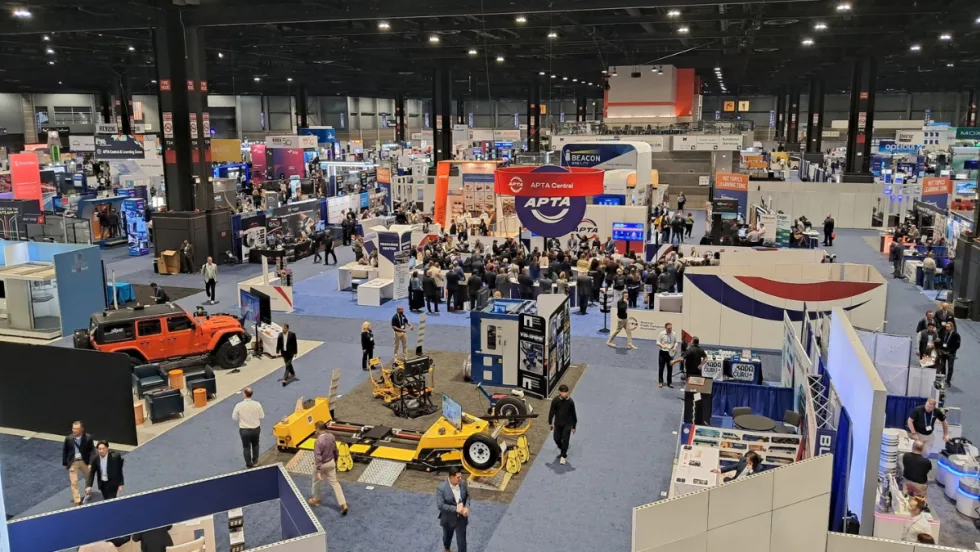
APTA 2026 TRANSform & EXPO Kicks Off in Chicago
After 45 years, APTA returns to Chicago with a focus on next-generation fleets, AI, connected transit networks, and the funding strategies shaping public transportation’s future.
Read More →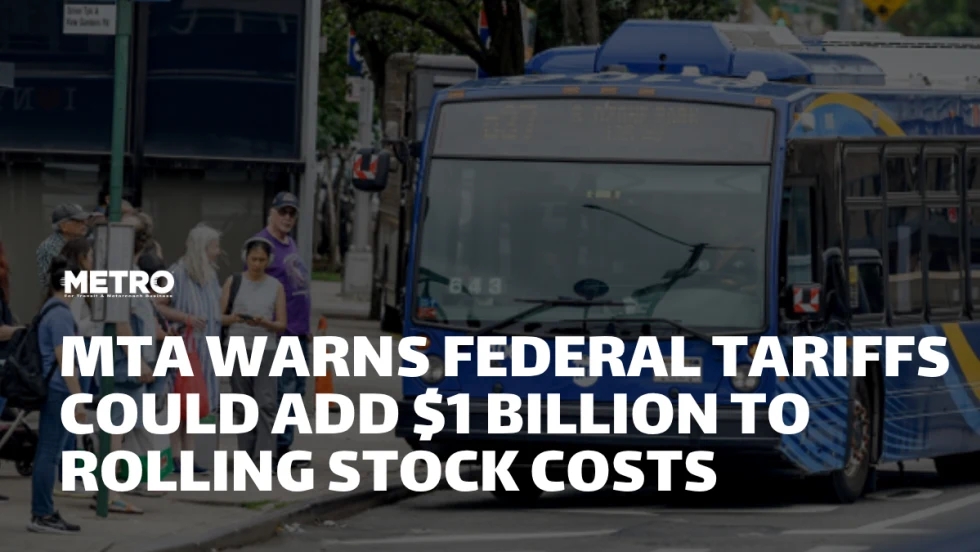
New York MTA Warns Federal Tariffs Could Add $1 Billion to Rolling Stock Costs
The agency said tariffs on specialized imported components could reduce the purchasing power of its $23 billion investment in new subway cars, railcars, and buses.
Read More →
From the Show Floor: What Happened at APTA TRANSform & EXPO 2026
See the latest product launches, partnerships, technology updates, and transit industry announcements from APTA TRANSform & EXPO in Chicago.
Read More →