



DART Launches Major Security, Fare Enforcement Initiative
The 90-day demonstration will deploy coordinated security teams at five light rail stations while testing controlled access and gathering data to guide future investments.

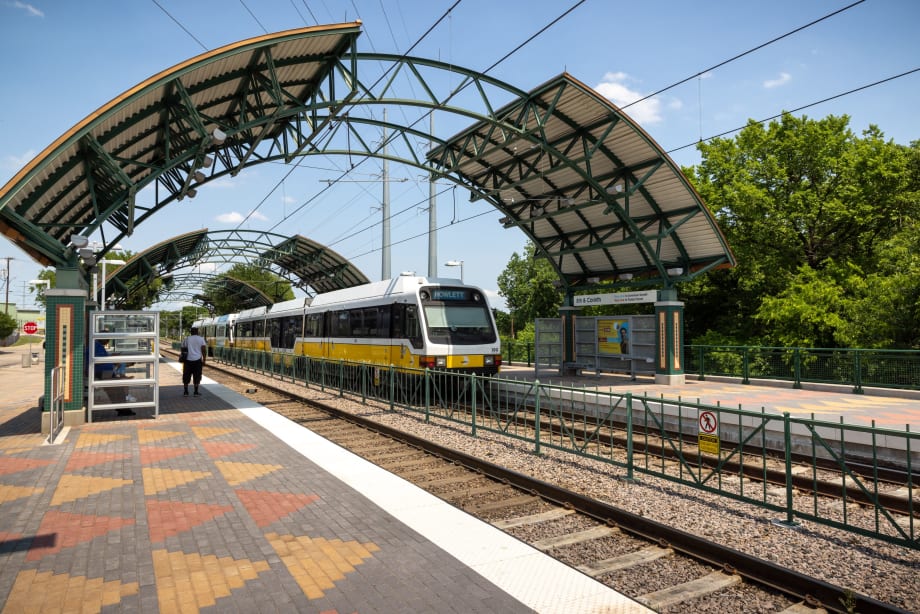
DART will introduce a controlled-access pilot at specific stations. The goal is to simulate a fare-gated system at the stations with the highest rates of fare evasion.
DART
- Dallas Area Rapid Transit is launching a new security initiative to enhance safety, enforce fare compliance, and uphold the Rider Code of Conduct on its light rail system.
- The initiative, named Operation Access, marks the largest security effort in DART’s history and will initially focus on five strategically selected stations.
- A controlled-access pilot will simulate a fare-gated system at stations with high fare evasion to gather data and assess effective security measures.
*Summarized by AI
Dallas Area Rapid Transit (DART) is advancing a major new security initiative to strengthen safety, increase fare compliance, and enforce DART’s Rider Code of Conduct across the light rail system.
The first phase, Operation Access, will be the largest coordinated security engagement in DART’s history. The 90-day demonstration is expected to begin in late fall and continue into the winter, initially focusing on five stations. DART selected the locations based on incident data and their ability to provide coverage across rail lines entering and exiting downtown Dallas.
DART will introduce a controlled-access pilot at specific stations. The goal is to simulate a fare-gated system at the stations with the highest rates of fare evasion.
“Safety is fundamental to everything we do at DART,” said DART's Interim President/CEO David Leininger. “Operation Access significantly increases our visible security presence while allowing us to gather the data necessary to determine what works and where we need to invest next. Every customer should be able to ride DART safely, comfortably, and with confidence.”
Operation Access
Teams consisting of DART Police Officers, Fare Enforcement Officers, and Transit Security Officers will conduct fare inspections and enforce the Code of Conduct at designated control points and aboard trains. The goal is to establish zero tolerance for fare evasion at the highest-incident locations while reinforcing expectations for safe and respectful behavior throughout the system, according to the agency.
“We have reduced crime against persons this year by 21%, but any crime on our system is unacceptable,” said DART Board Chair Randall Bryant. “The DART board approved $35 million for a camera system overhaul and improved cleaning, and another $32 million for diversion programs to reduce repeat offenders on the system. Operation Access builds on those investments by putting resources where the data tells us they are needed most.”
DART said it will use the 90-day demonstration to gather data and evaluate enforcement, staffing, passenger flow, and technology needs to help shape future security investments.
DART will brief the board on the second phase. It will include a comprehensive review of the feasibility of fare gating rail platforms, placing a uniformed security resource in the first car of every train, and potential modifications to DART’s fare policy, Rider Code of Conduct, and related policies.
A Growing Trend in Transit
As reported previously in METRO, transit agencies are placing renewed emphasis on fare enforcement as they look to address safety, security, and quality-of-life concerns across their systems. Rather than treating fare collection solely as a revenue issue, agencies are increasingly connecting fare compliance with broader efforts to enforce codes of conduct and create a more predictable environment for riders and employees.
The approaches vary by system. Agencies are exploring strategies that include more frequent fare inspections, dedicated enforcement teams, controlled station access, fare gates, and increased deployment of security personnel. Data is also playing a larger role in determining where those resources go, allowing agencies to concentrate enforcement at stations, routes, or locations with higher levels of fare evasion or other incidents.
The trend represents a move toward more integrated fare enforcement strategies. Instead of viewing fare evasion, security, and rider behavior as separate challenges, agencies are increasingly considering how enforcement, technology, station design, security personnel, and codes of conduct can work together to improve the overall transit environment.
Quick Answers
The main objective is to strengthen safety, increase fare compliance, and enforce DART’s Rider Code of Conduct across the light rail system.
*Summarized by AI
More Security and Safety
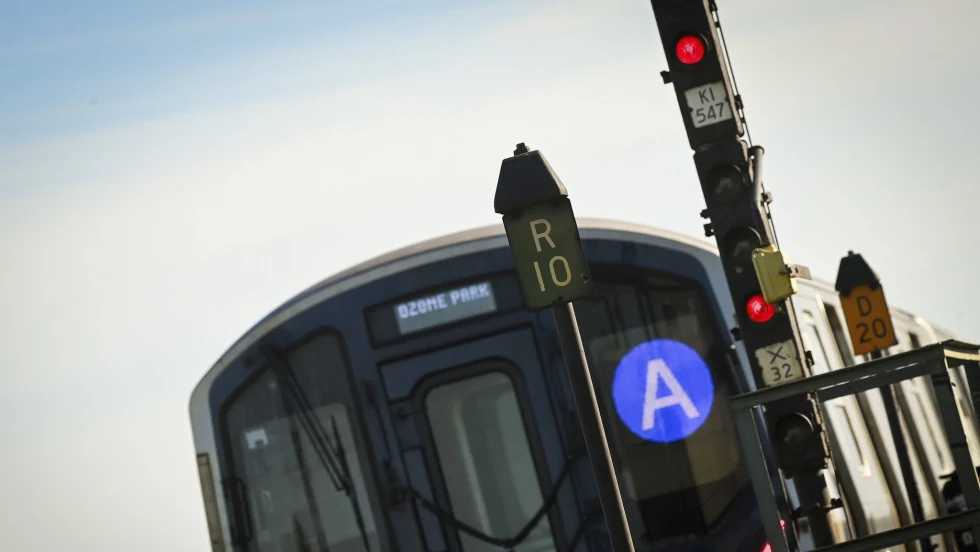
New York MTA Launches Historic $1.9B Signal, Track Modernization Project
Funded in part by congestion pricing revenue, the project will replace nearly century-old signals along the A and C lines in Brooklyn and Queens.
Read More →
CSA Group Releases Climate Resilience Standard for Transit, Passenger Rail
Developed with support from the Standards Council of Canada, CSA D700 guides assessing climate-related risks and planning adaptation measures for transit and passenger rail systems.
Read More →
San Diego MTS Approves New Fare Evasion Penalty Program
The new administrative process will move eligible violations out of the criminal court system, cap penalties at $125, and provide flexible payment options for riders.
Read More →
RTC of Southern Nevada Reports 29% Drop in Transit Operator Assaults
The agency credits expanded security measures, employee training, and technology investments for improvements in transit safety, while security officers have responded to 19 suspected overdoses since July.
Read More →
Public Transit Conference Returning to GFX in 2027, Call for Papers Now Open
The Call for Papers is now open, allowing transit agency professionals and industry experts to help shape the PTC educational program by submitting session ideas for consideration.
Read More →
Safe Transit Act Proposes New Security Requirements for Federal Transit Funding
Proposed legislation would link federal transit dollars to safety measures while requiring security investments, onboard cameras, and new fare collection standards.
Read More →
FTA Ends Direct Oversight of MBTA Safety Actions
The federal agency closed its remaining special directive to the Massachusetts Department of Public Utilities following a safety review that began in 2022.
Read More →
Transit Agencies Highlight Safety Gains at National Summit
Leaders from 15 major transit systems shared crime-reduction results and safety initiatives while discussing the role of continued federal support.
Read More →
RTD Launches NextRide App to Consolidate Trip Planning, Fares, Security Reporting
The app expands on RTD’s existing NextRide web application and allows customers to view real-time vehicle locations and service alerts, purchase and store digital fares, and access customer support.
Read More →
TAPTCO Updates OSHA Compliance Training for Transit Maintenance Operations
The revamped program addresses 26 OSHA standards for maintenance facilities, with TAPTCO pointing to training, documentation, and everyday shop hazards as continuing challenges for transit operations.
Read More →