



LADOT Launches ‘Universal Basic Mobility’ Pilot
The program is a concept that believes that robust transportation options are essential to opportunity.
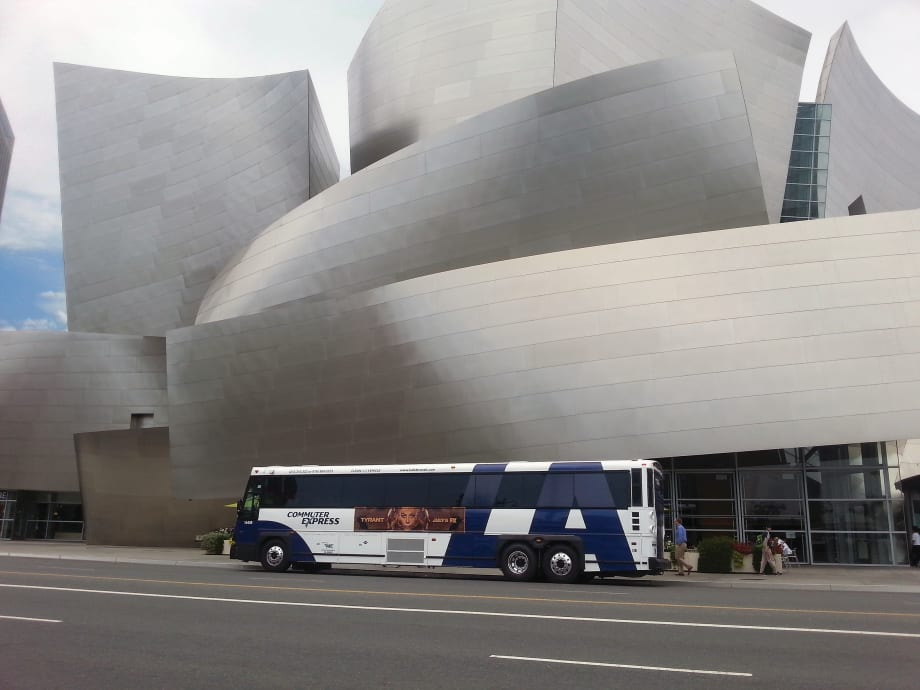
The pilot will bring e-bikes, shared EV cars, and on-demand EV shuttle service, in addition to a partnership with the LA Metro to subsidize transit fares for 2,000 pilot area residents.
LADOT
The LA Department of Transportation (LADOT) launched a groundbreaking Universal Basic Mobility Pilot in South Los Angeles — one of the largest programs of its kind in the country, increasing access to transportation options for thousands of Angelenos. The pilot will bring e-bikes, shared EV cars, and on-demand EV shuttle service, in addition to a partnership with the Los Angeles County Metropolitan Transportation Authority to subsidize transit fares for 2,000 pilot area residents who have historically lacked options for how to get to where they need to go safely.
University Basic Mobility is a concept that believes that robust transportation options are essential to opportunity. Without mobility, people cannot access basic needs such as education, employment, housing, and healthcare. For example, in Los Angeles today, there are 12 times more jobs accessible in one hour by car than by transit.
The pilot is currently supported by nearly $18 million in state and city funding. The California Air Resources Board (CARB) recently announced that LADOT would be awarded $6.7 million in additional funding from California Climate Investments (CCI) for its groundbreaking pilot, complementing $7 million in funding the department received from the board last year. Earlier this year, the Los Angeles City Council voted to approve $4 million to expand transit subsidies and other program elements.
“Mobility is essential to opportunity. That is what drives LADOT’s commitment to provide Universal Basic Mobility for Angelenos,” said LADOT GM Seleta Reynolds. “As a city, we must prioritize equal access to dignified, reliable, safe, and affordable transportation that serves residents' needs regardless of income. This initiative helps empower South LA communities and lay the foundation for a concerted, citywide effort to achieve Universal Basic Mobility.”
The Universal Basic Mobility pilot covers a large swath of South Los Angeles, bounded by the 10 Freeway to the north, South Alameda Street to the east, Crenshaw Boulevard to the west, and Florence Avenue to the South. The area was chosen because of the high proportion of households below the poverty line as well as the large share of residents who rely on public transit.
The pilot will:
Deploy 250 e-bikes.
Expand Blue LA EV carshare by an additional 100 cars within the pilot zone.
Provide free, on-demand EV shuttle services.
Provide subsidized Metro and LADOT DASH fares for 2,000 Pilot area residents.
Install 16 electric vehicle charging stations at four libraries.
Install 75 electric vehicle charging stations at Rec & Parks facilities.
Install 2 Direct Current Fast Charger hubs.
Provide workforce training on electric charging stations and electric bikes for 30 Angelenos.
Provide $1 million in funding to complete the Rail to Rail project.
Install safe streets infrastructure.
More New Mobility

From Hardware to Digital Partner: Luminator Charts Its Next Chapter
CEO Magnus Friberg discusses Luminator’s shift toward becoming a digital partner, the growing importance of software and interoperability, and how AI can help agencies improve operations and passenger experience.
Read More →
Biz Briefs: Alstom Lands Canadian Contract, LYT to Supply California TSP, and More
In METRO's latest installment, we take a look at recent news from Complete Coach Works, Beep, FlixBus, and more partnerships making headlines across the transportation sector.
Read More →
CharterUP’s Armir Harris on Technology, AI, and the Future of Group Mobility
In a recent episode of METROspectives, CharterUP Founder/CEO Armir Harris discussed the company’s evolution from an online charter bus marketplace into a technology platform supporting public- and private-sector mobility and much more.
Read More →
Jacksonville’s NAVI Project Charts a New Course for Autonomous Public Transportation
Through its NAVI program, JTA is showing how autonomous vehicles, intelligent infrastructure, and coordinated operations can work together to deliver everyday public transportation.
Read More →
Biz Briefs: Luminator Marks Milestone and More
From manufacturers and suppliers to transit agencies and motorcoach operators, these updates offer a snapshot of the projects, partnerships and business moves driving the industry forward.
Read More →
New Tricks for Old Bureaucracies: Joshua Schank on Making Transit Innovation Stick
Former LA Metro Chief Innovation Officer Joshua Schank discusses why good ideas aren't enough, how transit agencies can overcome resistance to change, and why today's challenges demand more innovation.
Read More →
How DART's GoPass Is Redefining Regional Mobility
Serving 14 transit agencies, GoPass simplifies multimodal travel by allowing riders to plan, pay for, and manage an entire trip through one app.
Read More →
Biz Briefs: OCTA Taps Clean Energy for Hydrogen Station, Stadler to Supply Via Rail Vehicles, and More
From manufacturers and suppliers to transit agencies and motorcoach operators, these updates offer a snapshot of the projects, partnerships and business moves driving the industry forward.
Read More →CharterUP Expands Into New Mobility and Autonomous Transportation
Vice President of New Mobility Stephen Joos discusses how CharterUP is leveraging its nationwide transportation network, technology platform, and autonomous vehicle partnerships to expand into workforce mobility, campus shuttles, and transit solutions.
Read More →
METRO Magazine Announces 2026 Innovative Solutions Awards Winners
Projects Recognized for Advancing Mobility Through Technology, Accessibility, Workforce Innovation, and Operational Excellence
Read More →